
A drop shoulder moves the sleeve seam off the shoulder point and down onto the upper arm. Everything else follows from that one change: the armhole deepens, the back gains width, and the line across the top stops describing your shoulder. It is a different garment from a set-in sleeve, not a looser version of one.
-
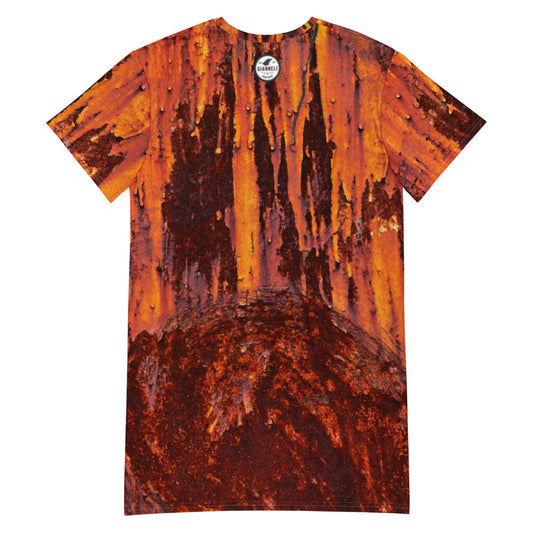
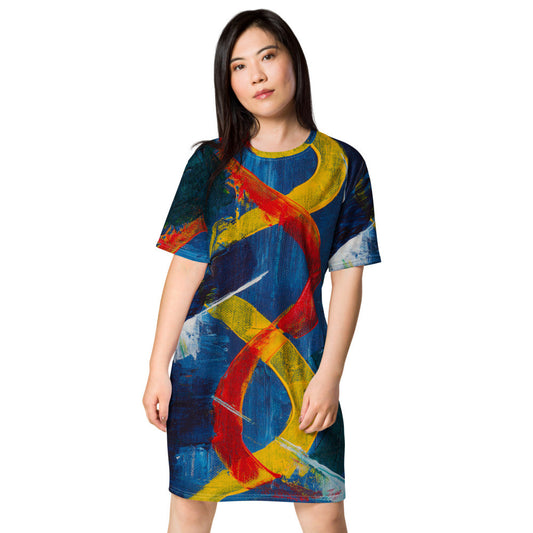
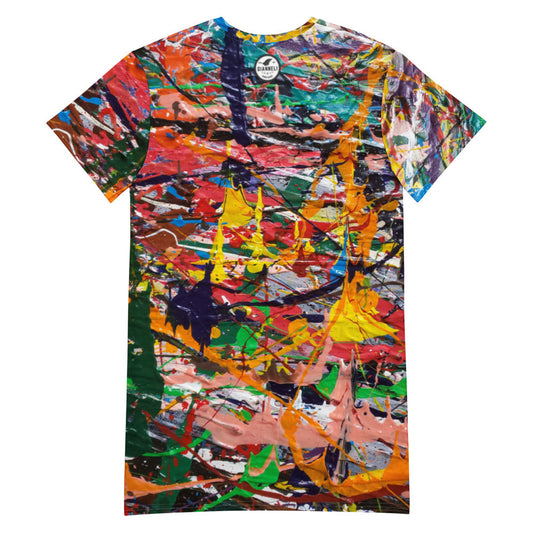
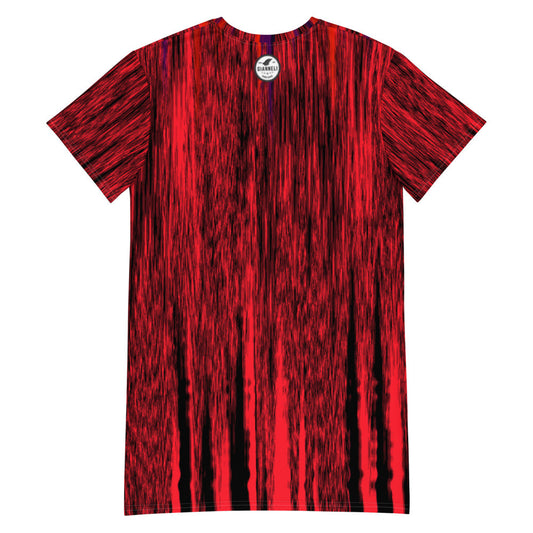
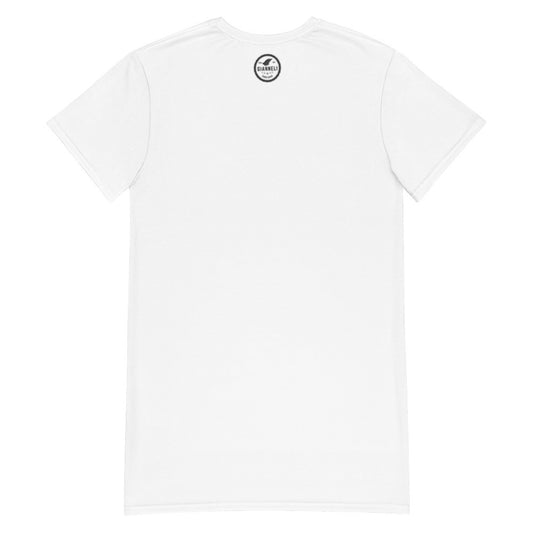
Clochard Grunge T-Shirt Dress
Vendor:Good Doer by GianneliRegular price $149.95 USDRegular price -
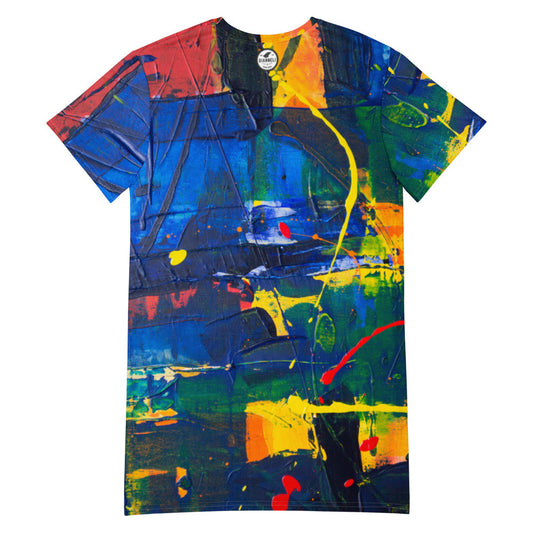
Gianneli Colours Blue and Green Relaxed T-Shirt Dress
Vendor:Good Doer by GianneliRegular price $118.95 USDRegular price -
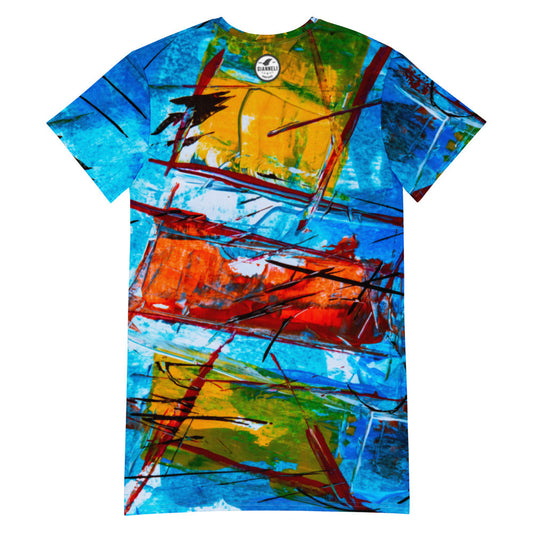
Gianneli Colours Blue and Yellow Oversize T-Shirt Dress
Vendor:Good Doer by GianneliRegular price $118.95 USDRegular price -
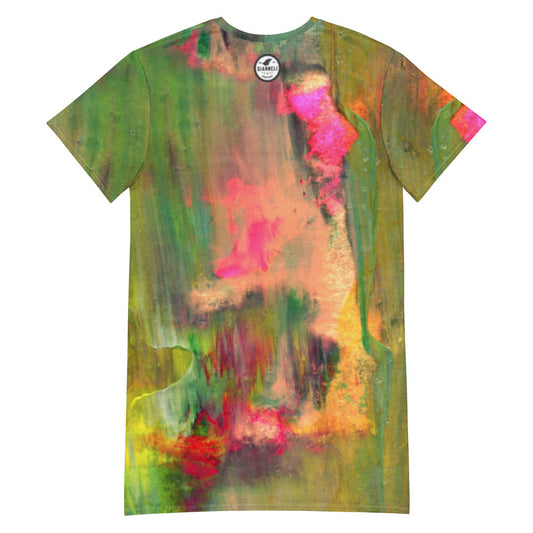
Gianneli Colours Green and Pink Oversize T-Shirt Dress
Vendor:Good Doer by GianneliRegular price $118.95 USDRegular price -
Gianneli Colours Navy Ribbon Oversize T-Shirt Dress
Vendor:Good Doer by GianneliRegular price $118.95 USDRegular price -
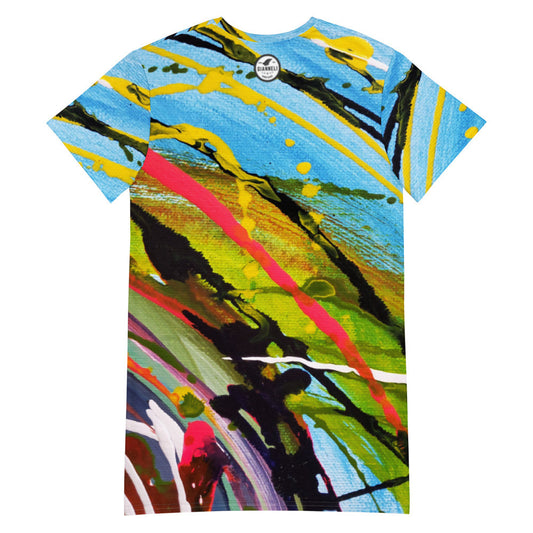
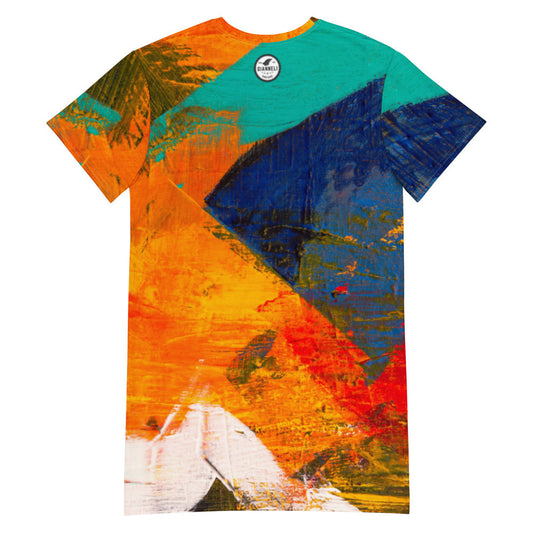
Gianneli Colours Orange and Teal Relaxed T-Shirt Dress
Vendor:Good Doer by GianneliRegular price $118.95 USDRegular price -
Gianneli Colours Orange Drop Shoulder T-Shirt Dress
Vendor:Good Doer by GianneliRegular price $118.95 USDRegular price -
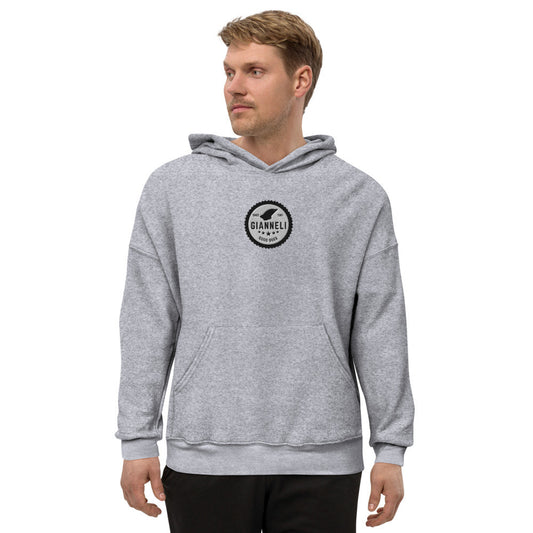
Gianneli Sueded Fleece Unisex Hoodie
Vendor:Good Doer by GianneliRegular price $156.95 USDRegular price -
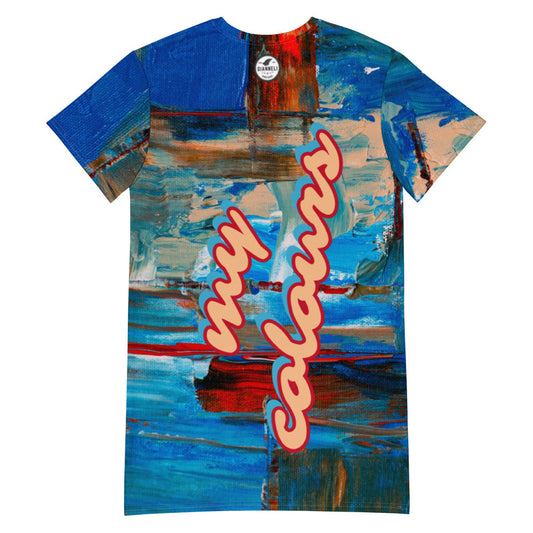
Hug My Colours Blue Oversize T-Shirt Dress
Vendor:Good Doer by GianneliRegular price $128.95 USDRegular price -
Hug My Colours Oversized Drop Shoulder T-Shirt Dress
Vendor:Good Doer by GianneliRegular price $139.95 USDRegular price -
On Fire Oversize T-Shirt Dress
Vendor:Good Doer by GianneliRegular price $121.95 USDRegular price -
Sunsets Drop Shoulder T-Shirt Dress
Vendor:Good Doer by GianneliRegular price $110.95 USDRegular price -
The Dove Oversize T-Shirt Dress
Vendor:Good Doer by GianneliRegular price $114.95 USDRegular price -
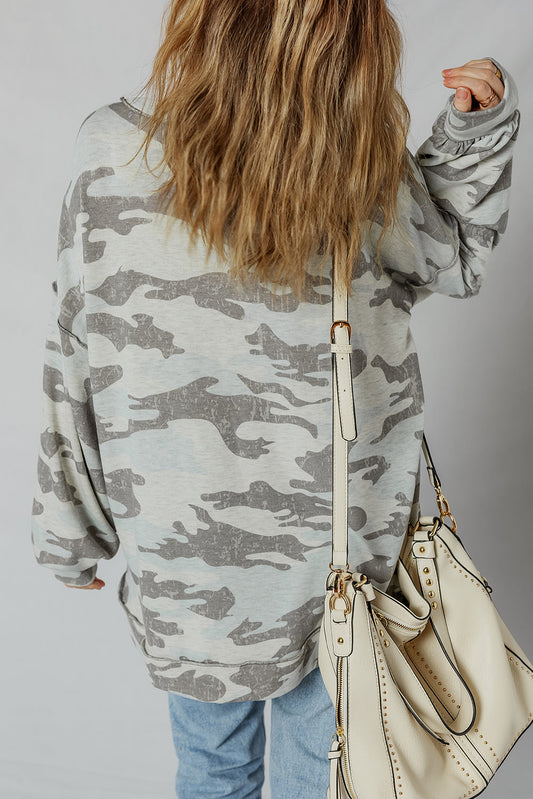
Women's Camo Oversized Sweatshirt with Exposed Seams
Vendor:Threaded PearRegular price $44.95 USDRegular price -
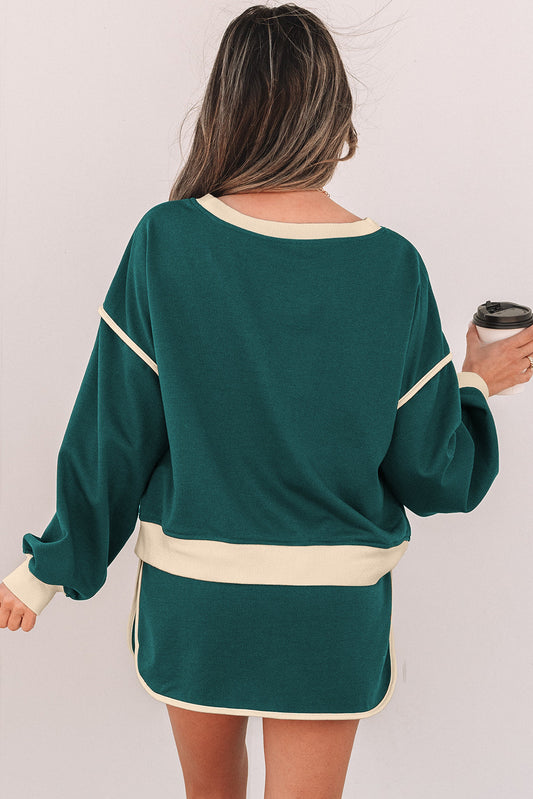
Women's Oversized Pullover and Drawstring Skort Set
Vendor:Threaded PearRegular price $58.95 USDRegular price -
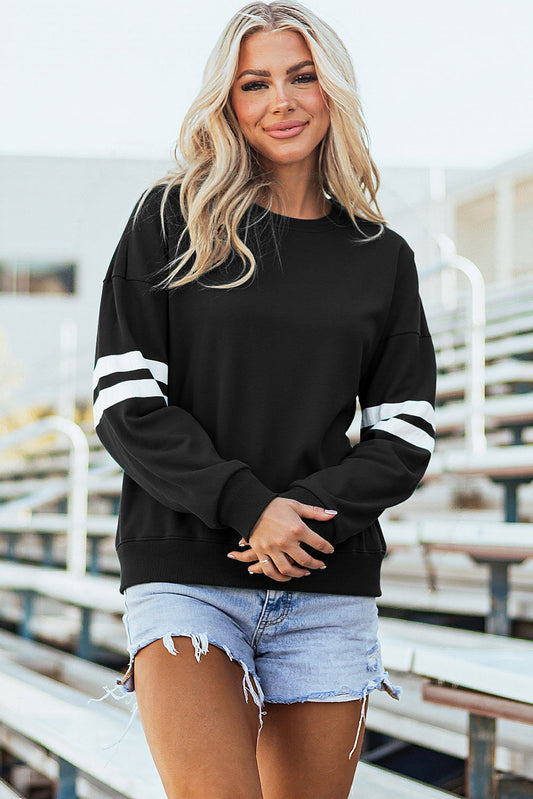
Women's Oversized Varsity Stripe Sweatshirt
Vendor:Threaded PearRegular price $50.95 USDRegular price -
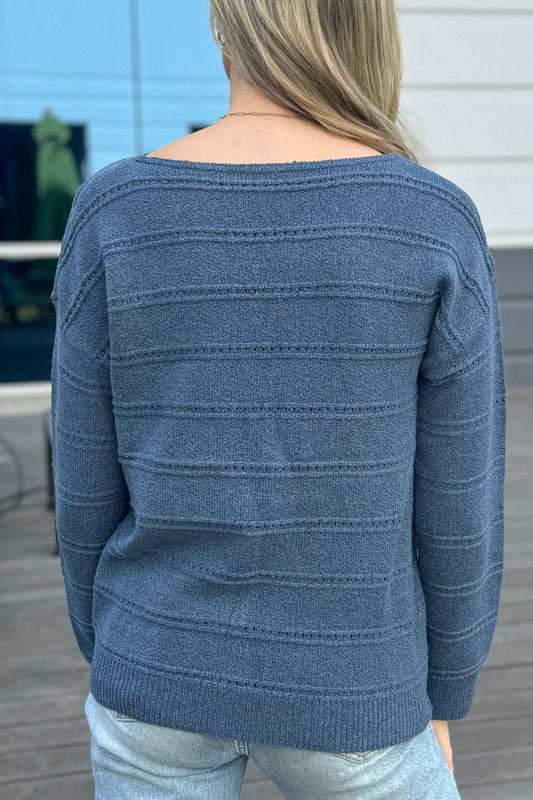
Women's Pointelle Knit Boat Neck Sweater in Denim Blue
Vendor:Threaded PearRegular price $50.95 USDRegular price -
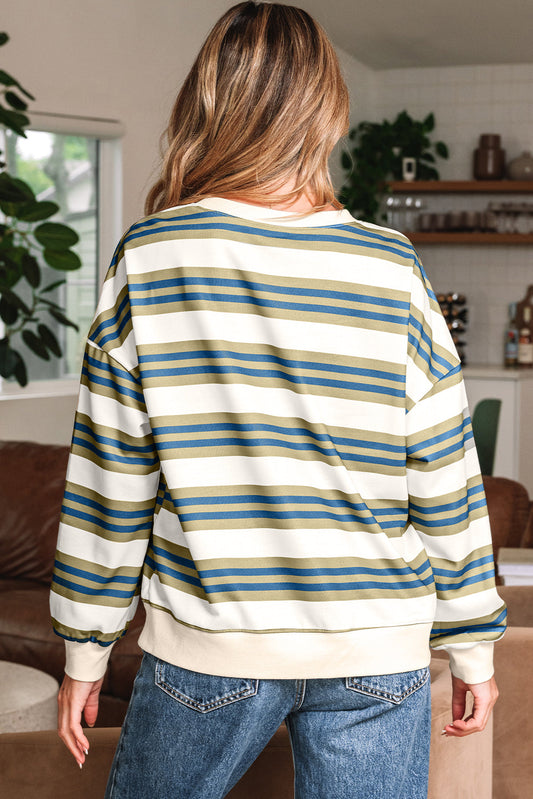
Women's Striped Crewneck Sweatshirt in Cream, Teal and Olive
Vendor:Threaded PearRegular price $44.95 USDRegular price -
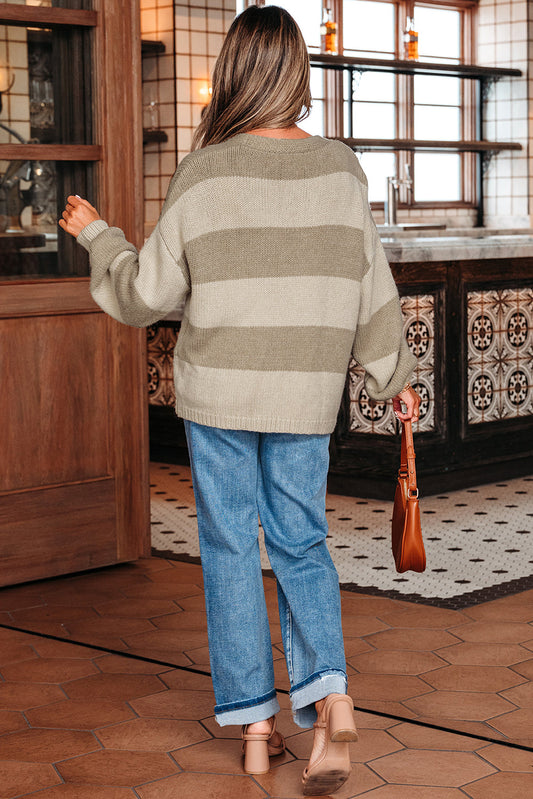
Women's Striped Drop Shoulder Sweater in Cream
Vendor:Threaded PearRegular price $48.95 USDRegular price -
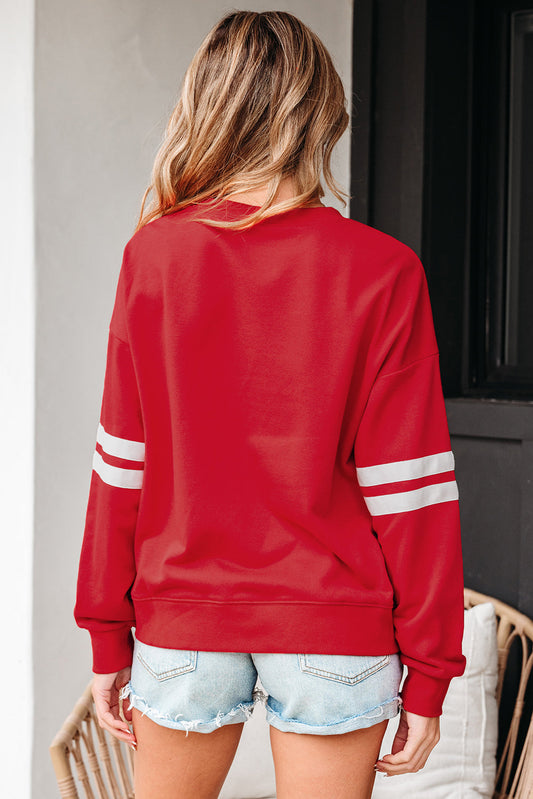
Women's Varsity Stripe Crewneck Sweatshirt in Red
Vendor:Threaded PearRegular price $50.95 USDRegular price -
Women's Varsity Stripe Oversized Sweatshirt in Royal Blue
Vendor:Threaded PearRegular price $50.95 USDRegular price -
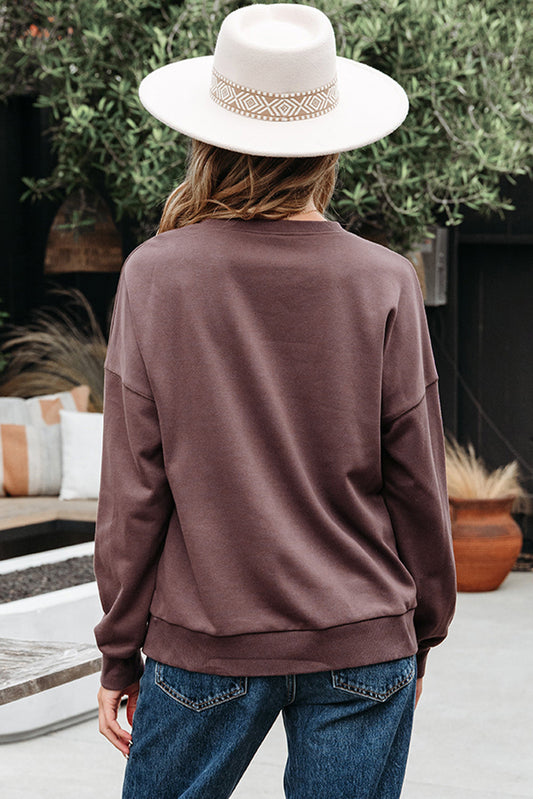
Women's Bow Patch Crewneck Sweatshirt in Brown
Vendor:Threaded PearRegular price $54.95 USDRegular price -
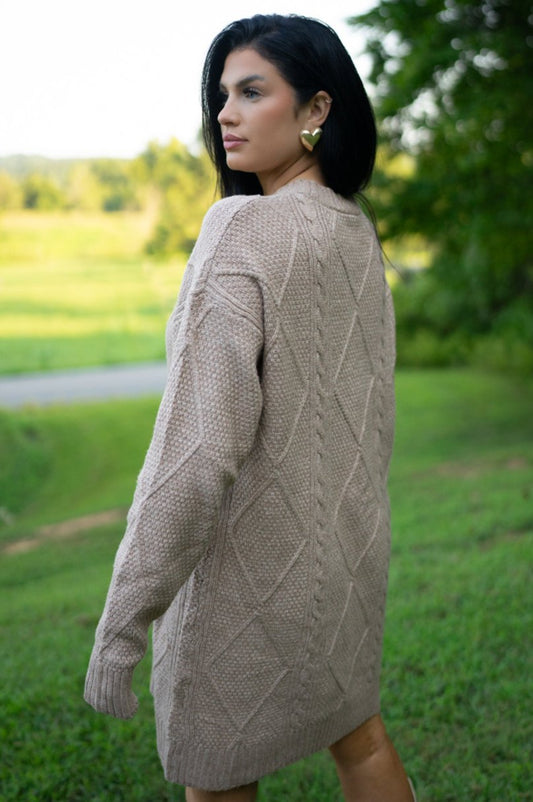
Women's Cable Knit Sweater Dress in Taupe
Vendor:Threaded PearRegular price $56.95 USDRegular price -
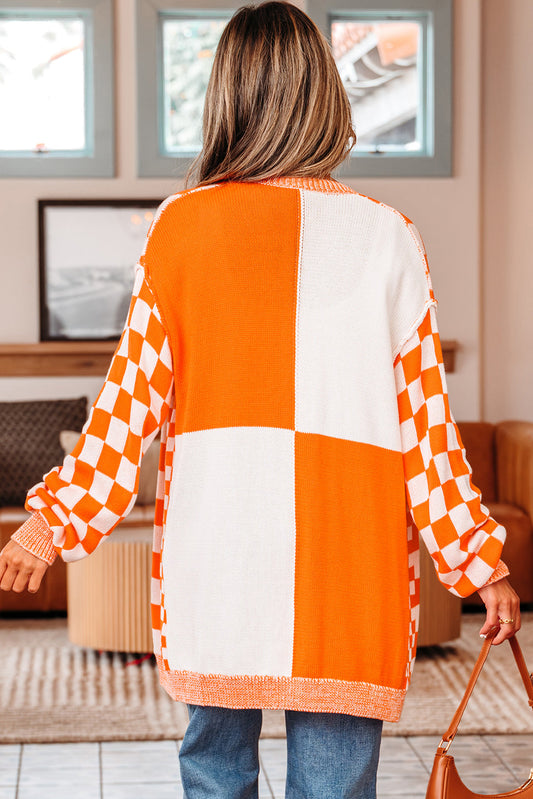
Women's Checkered Open-Front Cardigan in Orange and White
Vendor:Threaded PearRegular price $60.95 USDRegular price -
Women's Multicolor Striped Crewneck Sweater in Cream
Vendor:Threaded PearRegular price $52.95 USDRegular price -
Women's Star Pattern Crewneck Sweater
Vendor:Threaded PearRegular price $46.95 USDRegular price -
Women's Striped Tie-Front Cardigan in Khaki and Cream
Vendor:Threaded PearRegular price $62.95 USDRegular price -
Women's Tinsel Merry Christmas Sweater in Red
Vendor:Threaded PearRegular price $52.95 USDRegular price




























Guides for Apparel
View all-

How to Wash a Hoodie So It Stays Soft and Bright
Your favorite hoodie can stay soft, bright and the right length for years. It mostly comes down to cold water, a little patience and one bottle you should leave on...
How to Wash a Hoodie So It Stays Soft and Bright
Your favorite hoodie can stay soft, bright and the right length for years. It mostly comes down to cold water, a little patience and one bottle you should leave on...
-

How to Build a Capsule Wardrobe That Works
A packed closet and nothing to wear is a coherence problem, not a shortage one. A capsule wardrobe fixes it with a smaller set of pieces that all work together,...
How to Build a Capsule Wardrobe That Works
A packed closet and nothing to wear is a coherence problem, not a shortage one. A capsule wardrobe fixes it with a smaller set of pieces that all work together,...
-

Guide to Everyday Clothing That Balances Style, Comfort, and Longevity
Modern apparel is about versatility, comfort, and longevity. This guide explores how everyday clothing can support personal style, adapt to modern lifestyles, and deliver long term value without relying on...
Guide to Everyday Clothing That Balances Style, Comfort, and Longevity
Modern apparel is about versatility, comfort, and longevity. This guide explores how everyday clothing can support personal style, adapt to modern lifestyles, and deliver long term value without relying on...
- More from the blog, not specific to this page.

How to Remove Gel Nail Polish at Home Without Peeling
A lifted corner is not an invitation to pull. The acetone soak, a wrap-time table for each gel type and a calm week of cuticle care keep the nail you...
How to Remove Gel Nail Polish at Home Without Peeling
A lifted corner is not an invitation to pull. The acetone soak, a wrap-time table for each gel type and a calm week of cuticle care keep the nail you...


