-
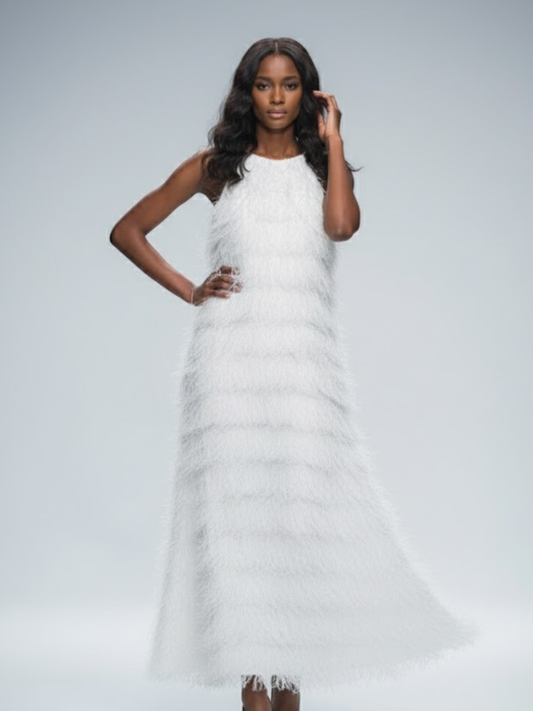
White Fringe Evening Gown
Vendor:BYMANYC ® New YorkRegular price $478.95 USDRegular price -
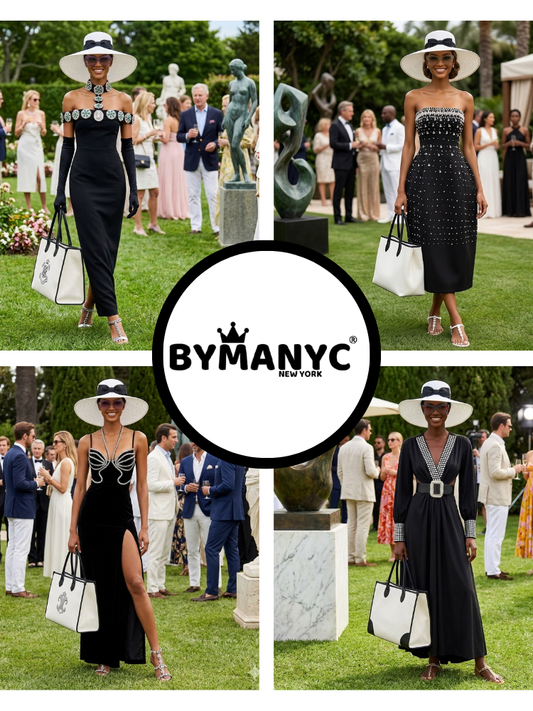
Women's Black Gala Gown with Crystal Buckle Belt
Vendor:BYMANYC ® New YorkRegular price $322.95 USDRegular price -
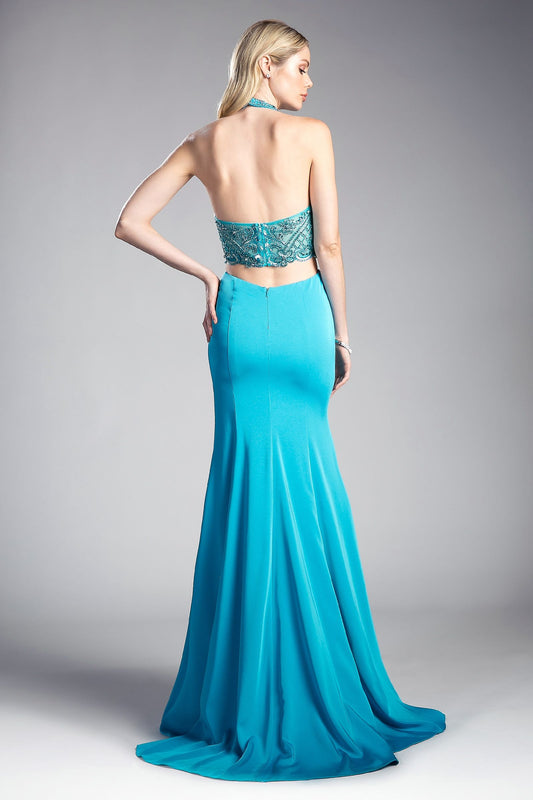
Stretch Jersey Halter Gown with Waist Cut-Outs
Vendor:Tux-USARegular price $156.95 USDRegular price$0.00 USDSale price $156.95 USD -
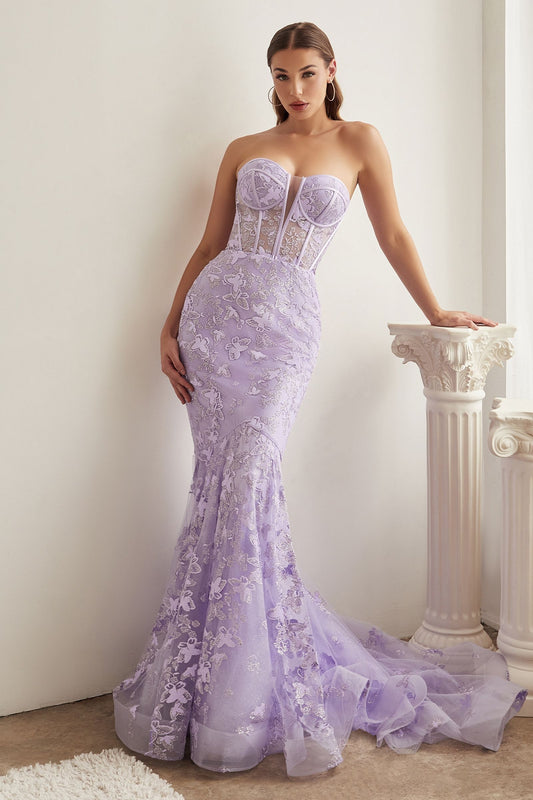
Cinderella Divine Butterfly Print Strapless Mermaid Gown
Vendor:Cinderella DivineRegular price $256.95 USDRegular price$0.00 USDSale price $256.95 USD -
Cinderella Divine Strapless Stretch Satin Gown with Sash
Vendor:Cinderella DivineRegular price $202.95 USDRegular price$0.00 USDSale price $202.95 USD -
Velvet Floral Gown on Stretch Net
Vendor:Cinderella DivineRegular price $350.95 USDRegular price$0.00 USDSale price $350.95 USD -
Tiered Tulle Gala Gown Lavender Blue
Vendor:BYMANYC ® New YorkRegular price $438.95 USDRegular price -
Beaded Waist A-Line Gown with Crisscross Straps
Vendor:Tux-USARegular price $152.95 USDRegular price$0.00 USDSale price $152.95 USD -
Sequin Mermaid Prom Gown with Cut Out Back
Vendor:GLS ApparelRegular price $356.95 USDRegular price -
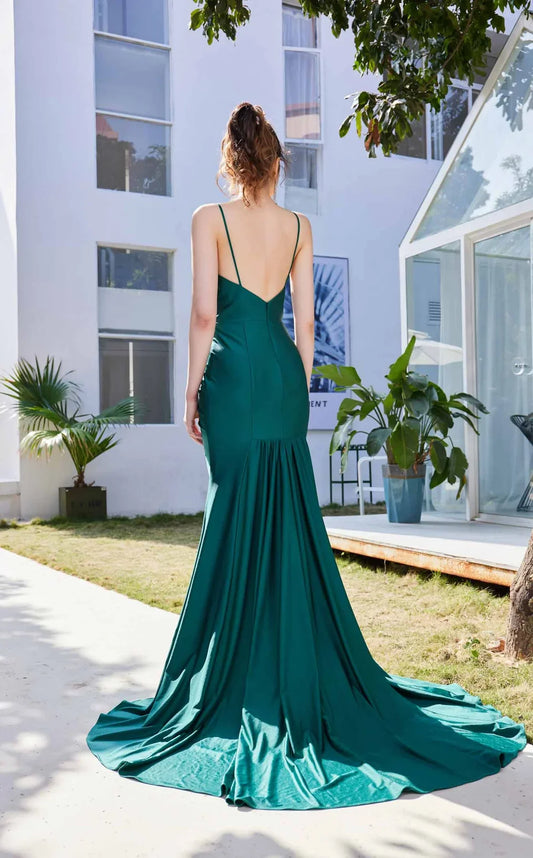
Ruched Satin Evening Gown with Sweeping Train
Vendor:Tux-USARegular price $508.95 USDRegular price -
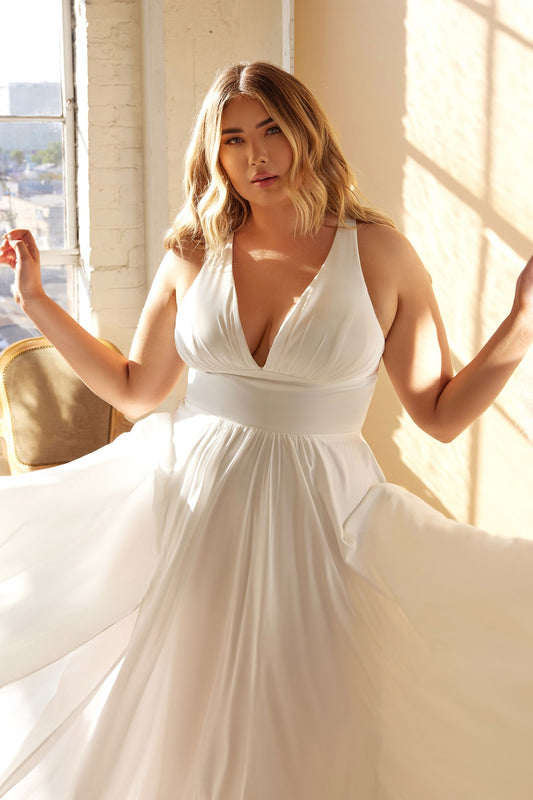
Plus Size Satin Bridal Gown with Leg Slit
Vendor:Cinderella DivineRegular price $256.95 USDRegular price$0.00 USDSale price $256.95 USD -
Mother of the Bride Gown with Shawl Cap Sleeve
Vendor:Cinderella DivineRegular price $152.95 USDRegular price$0.00 USDSale price $152.95 USD -
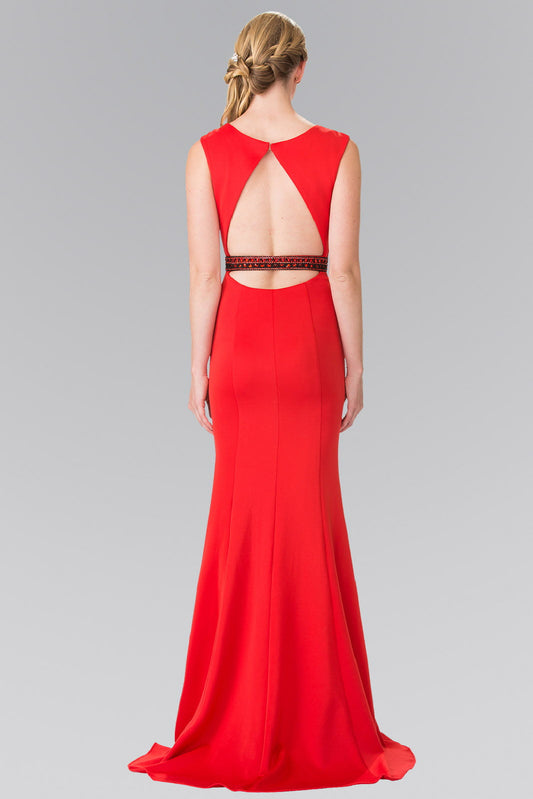
Crew Neck Jersey Mermaid Gown with Beaded Back
Vendor:GLS ApparelRegular price $152.95 USDRegular price -
Noir Gown Geometric Crystal Beadwork Black
Vendor:BYMANYC ® New YorkRegular price $465.95 USDRegular price -
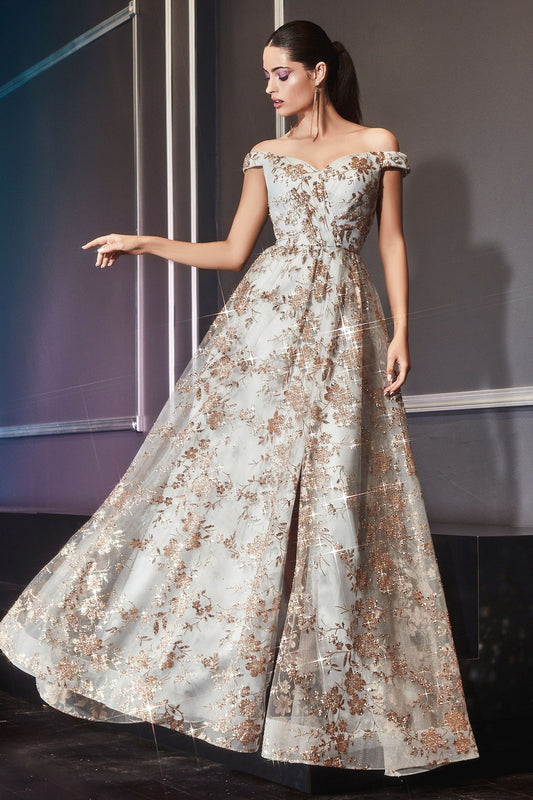
Cinderella Divine Glitter Floral Ball Gown with Leg Slit
Vendor:Cinderella DivineRegular price $390.95 USDRegular price -
Cinderella Divine Beaded Tulle Gown with Sweep Train
Vendor:Cinderella DivineRegular price $318.95 USDRegular price$0.00 USDSale price $318.95 USD -
Off Shoulder Satin Gown with Embellished Bust
Vendor:Cinderella DivineRegular price $208.95 USDRegular price -
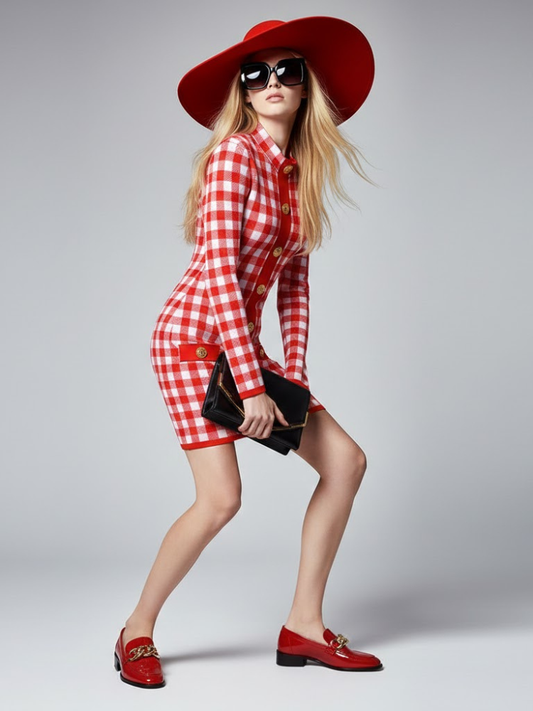
Gingham Knit Gown Mock Neck Red White
Vendor:BYMANYC ® New YorkRegular price $465.95 USDRegular price -
Plus Size Satin Halter Gown with Leg Slit
Vendor:Cinderella DivineRegular price $256.95 USDRegular price$0.00 USDSale price $256.95 USD -
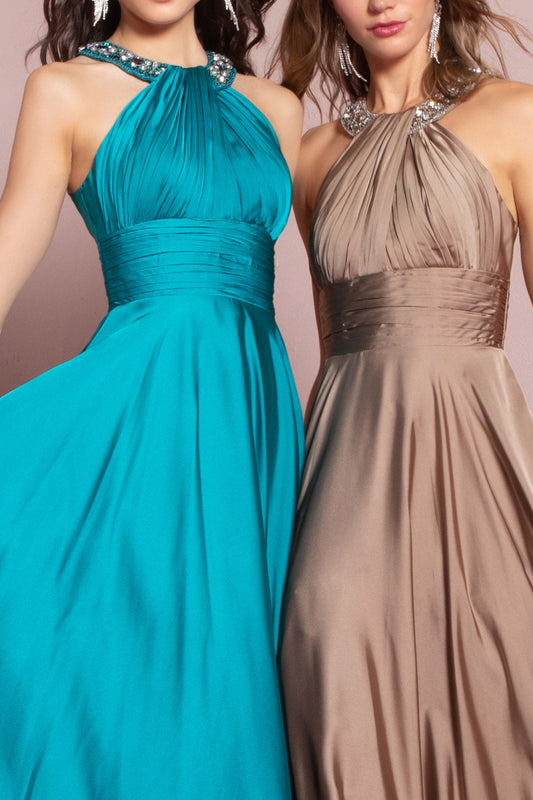
Beaded Halter Satin Gown with A-Line Skirt
Vendor:GLS ApparelRegular price $152.95 USDRegular price$0.00 USDSale price $152.95 USD -
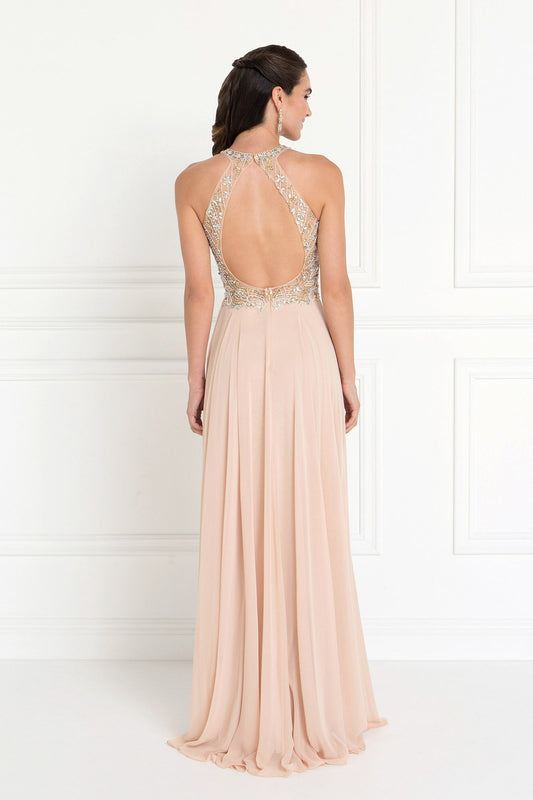
Beaded Scoop Neck Chiffon Gown with A-Line Skirt
Vendor:GLS ApparelRegular price $220.95 USDRegular price$0.00 USDSale price $220.95 USD -
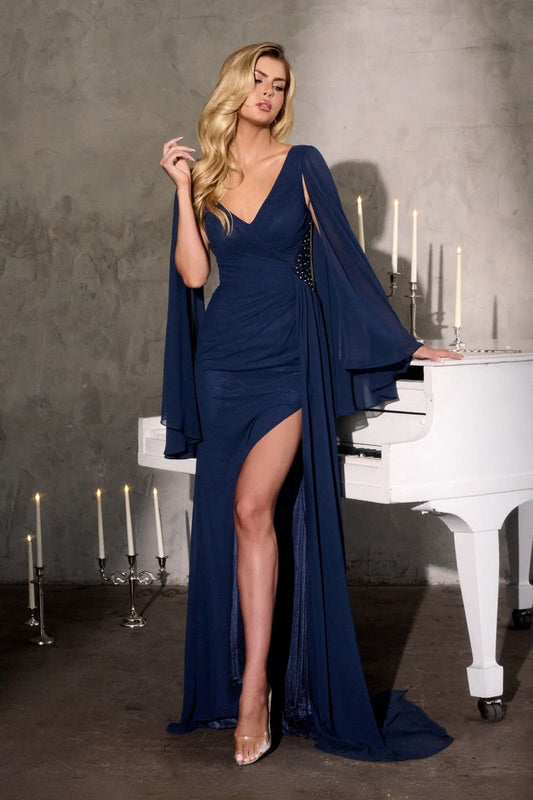
Cape Sleeve Chiffon Evening Gown with Draped V Neck
Vendor:Cinderella DivineRegular price $324.95 USDRegular price -
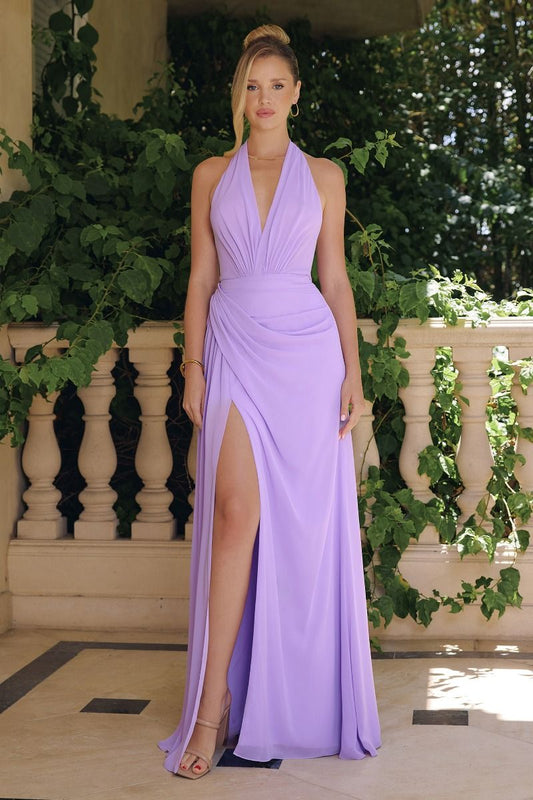
Plunging Halter Chiffon Gown with Side Slit
Vendor:AmorisRegular price $170.95 USDRegular price$0.00 USDSale price $170.95 USD -
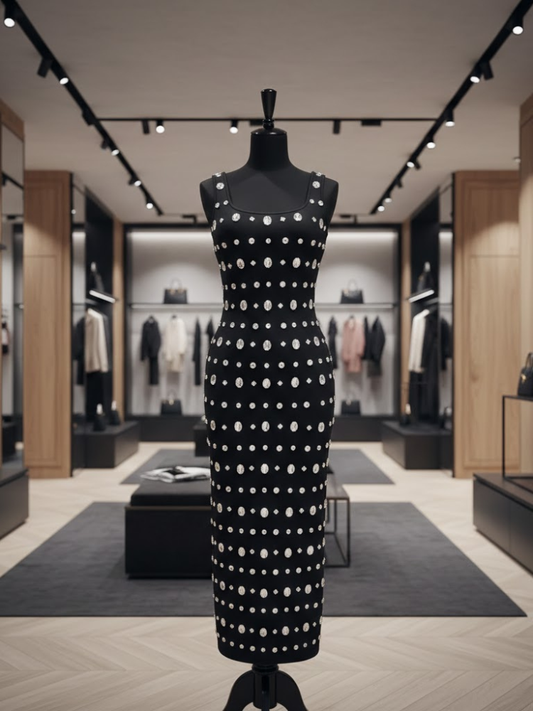
Black Crystal Embellished Midi Gala Dress
Vendor:BYMANYC ® New YorkRegular price $398.95 USDRegular price -
Cinderella Divine Deep V Neck Chiffon Gown with Cap Sleeves
Vendor:Cinderella DivineRegular price $256.95 USDRegular price$0.00 USDSale price $256.95 USD -
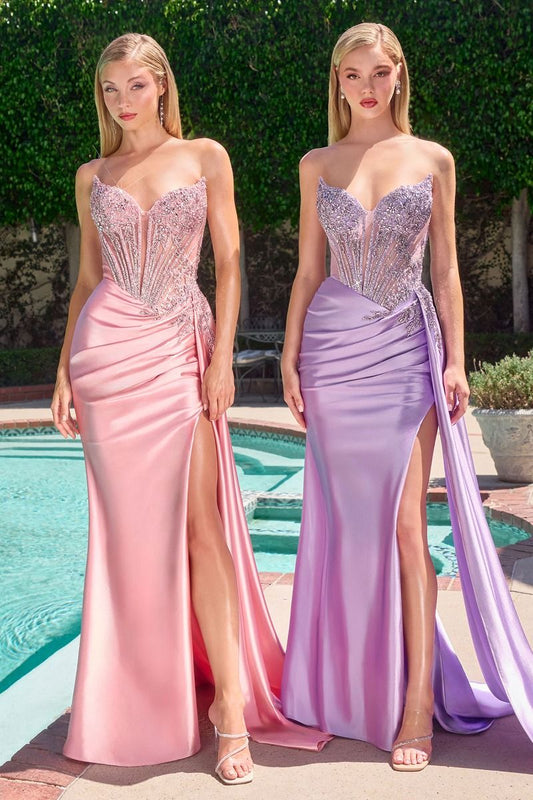
Cinderella Divine Strapless Satin Gown with Beaded Corset
Vendor:Cinderella DivineRegular price $358.95 USDRegular price$0.00 USDSale price $358.95 USD

























Guides for Evening Gowns
View all-

Black Tie Optional for Women, Without the Outfit Panic
A long hem is only one clue. The detail that makes a midi work, and the fitting check worth doing before you decide, can change which outfit you choose.
Black Tie Optional for Women, Without the Outfit Panic
A long hem is only one clue. The detail that makes a midi work, and the fitting check worth doing before you decide, can change which outfit you choose.
-

How to Build a Capsule Wardrobe That Works
A packed closet and nothing to wear is a coherence problem, not a shortage one. A capsule wardrobe fixes it with a smaller set of pieces that all work together,...
How to Build a Capsule Wardrobe That Works
A packed closet and nothing to wear is a coherence problem, not a shortage one. A capsule wardrobe fixes it with a smaller set of pieces that all work together,...
-

Guide to Everyday Clothing That Balances Style, Comfort, and Longevity
Modern apparel is about versatility, comfort, and longevity. This guide explores how everyday clothing can support personal style, adapt to modern lifestyles, and deliver long term value without relying on...
Guide to Everyday Clothing That Balances Style, Comfort, and Longevity
Modern apparel is about versatility, comfort, and longevity. This guide explores how everyday clothing can support personal style, adapt to modern lifestyles, and deliver long term value without relying on...
-

How to Style Apparel Pieces for Different Occasions
Styling apparel is about adaptability, not excess. Learn how to transform everyday clothing into outfits suitable for different occasions while maintaining comfort, balance, and personal style.
How to Style Apparel Pieces for Different Occasions
Styling apparel is about adaptability, not excess. Learn how to transform everyday clothing into outfits suitable for different occasions while maintaining comfort, balance, and personal style.


