-
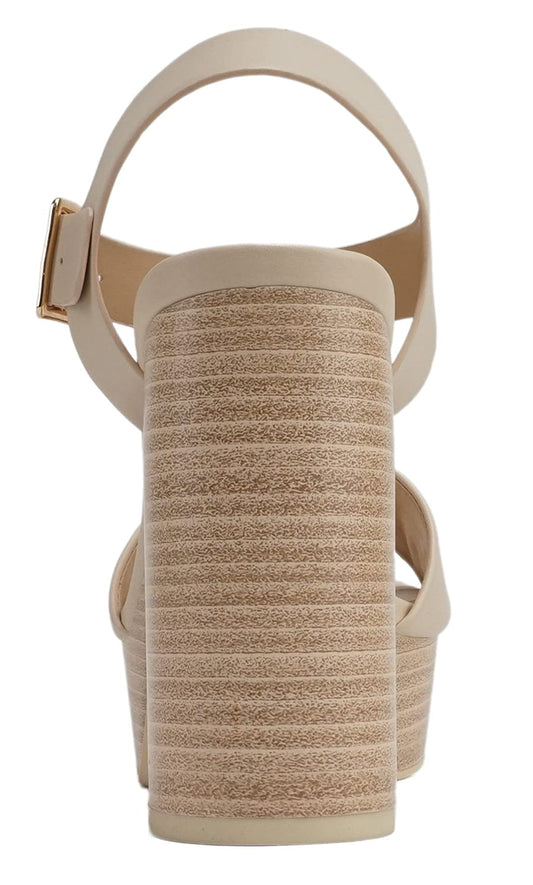
Nude Platform Block Heel Sandals with Ankle Strap
Vendor:SodaRegular price $59.95 USDRegular price -
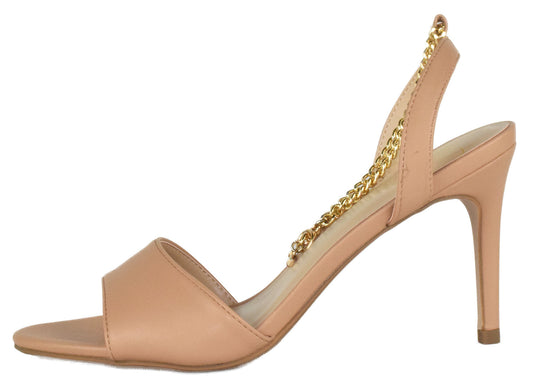
Nude Slingback Heels with Gold Chain Ankle Strap
Vendor:DeliciousRegular price $40.95 USDRegular price -
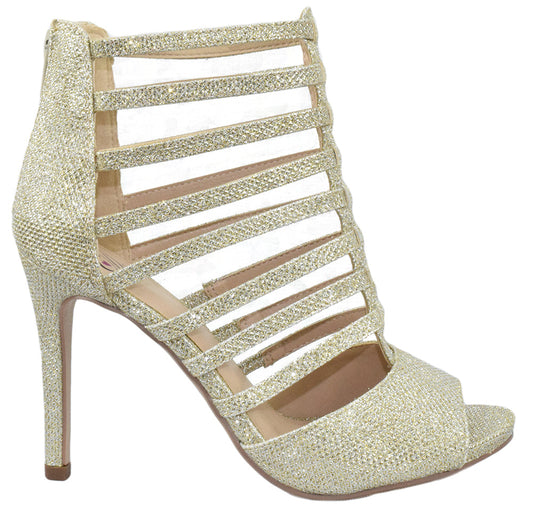
Gold Glitter Caged Heels with Peep Toe and Back Zipper
Vendor:DeliciousRegular price From $24.95 USDRegular price -
Nude Patent T-Strap Heels with Silver Chain and Pointed Toe
Vendor:DeliciousRegular price $47.95 USDRegular price -
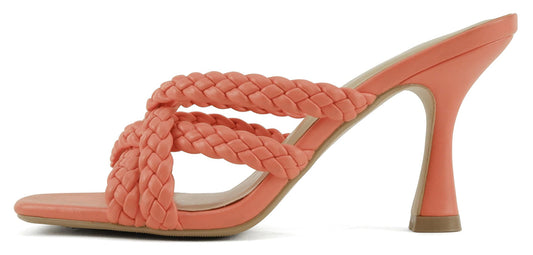
Coral Braided Strap Heeled Mules with Square Toe
Vendor:SodaRegular price $40.95 USDRegular price -
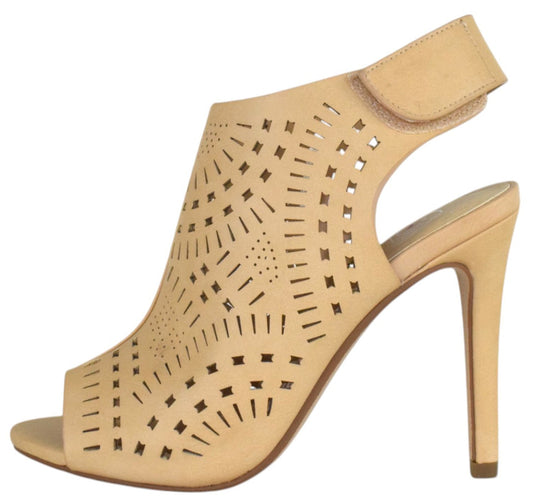
Beige Laser Cut Peep Toe Bootie Heels with Ankle Strap
Vendor:DeliciousRegular price $40.95 USDRegular price -
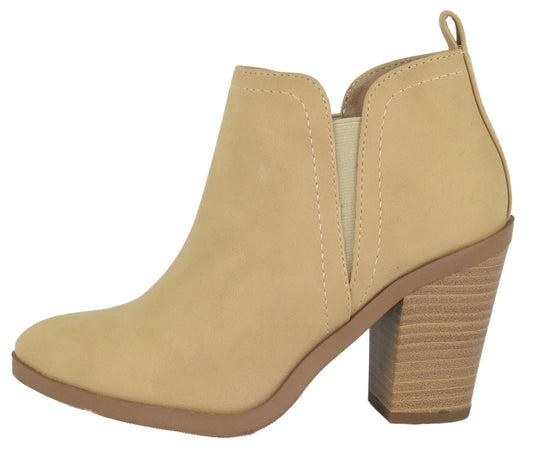
Sand Faux Suede Pointed Toe Ankle Boots with V Cut Shaft
Vendor:SodaRegular price $51.95 USDRegular price -
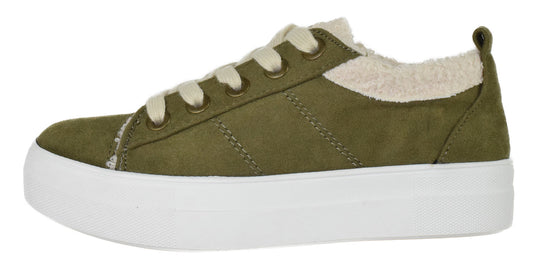
Olive Faux Suede Platform Sneakers with Faux Fur Trim
Vendor:SodaRegular price $40.95 USDRegular price -
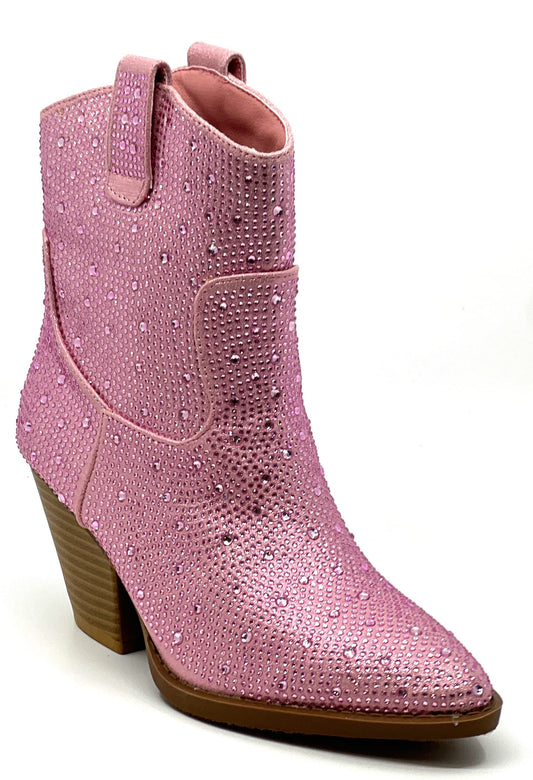
Pink Rhinestone Cowboy Ankle Boots with Pointed Toe
Vendor:ForeverRegular price $83.95 USDRegular price -
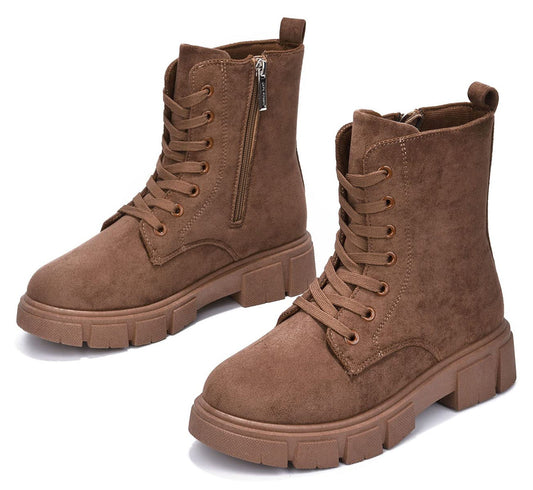
Brown Faux Suede Combat Boots with Lug Platform Sole
Vendor:Cape RobbinRegular price $64.95 USDRegular price -
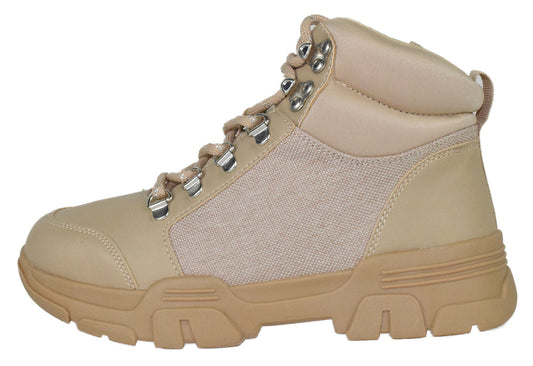
Beige Hiker Style Combat Boots with Lug Sole and Side Zipper
Vendor:SodaRegular price $43.95 USDRegular price -
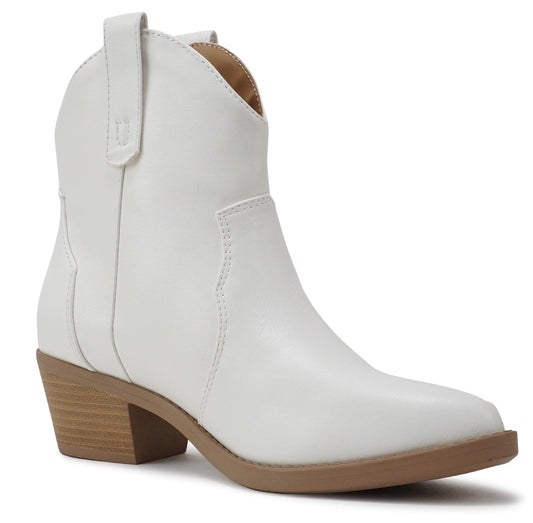
White Cowboy Ankle Boots with Low Block Heel
Vendor:SodaRegular price $62.95 USDRegular price -
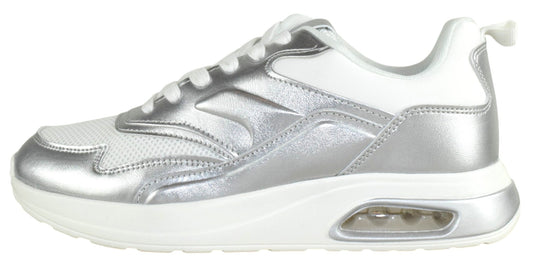
Silver Air Cushion Sneakers with Breathable Mesh Upper
Vendor:La SheelahRegular price $43.95 USDRegular price -
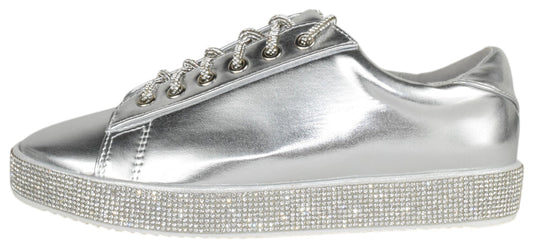
Silver Rhinestone Sneakers with Metallic Finish and Laces
Vendor:La SheelahRegular price $44.95 USDRegular price -
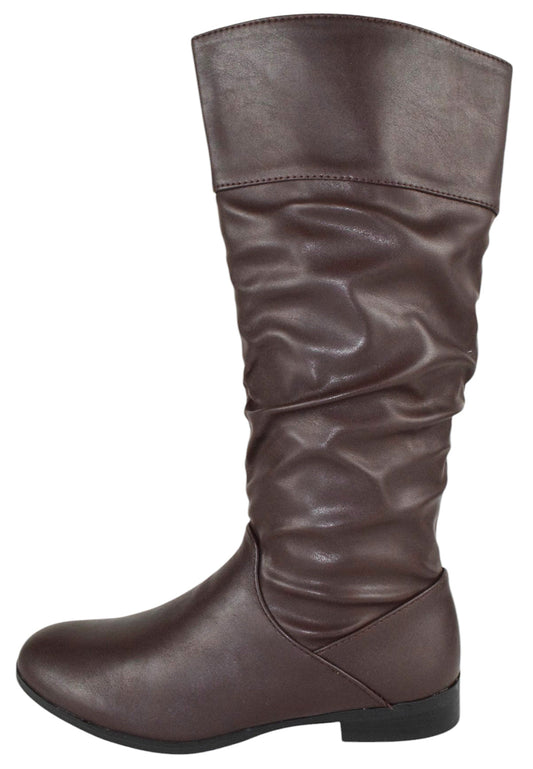
Brown Slouchy Mid Calf Boots with Flat Heel
Vendor:ForeverRegular price $51.95 USDRegular price -
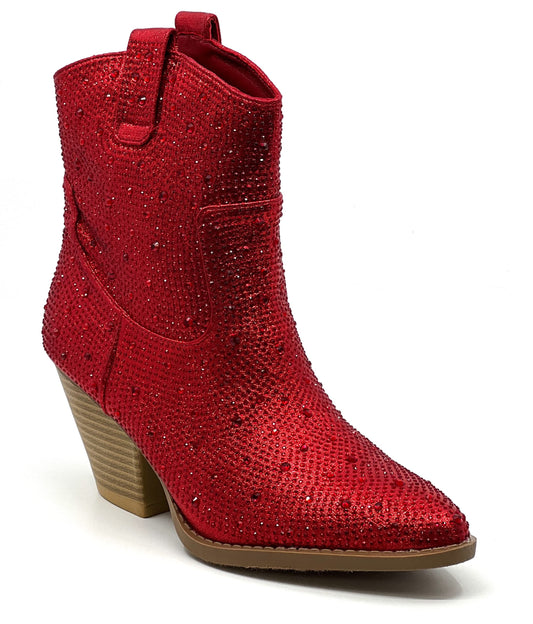
Red Rhinestone Cowboy Ankle Boots with Pointed Toe
Vendor:ForeverRegular price $83.95 USDRegular price -
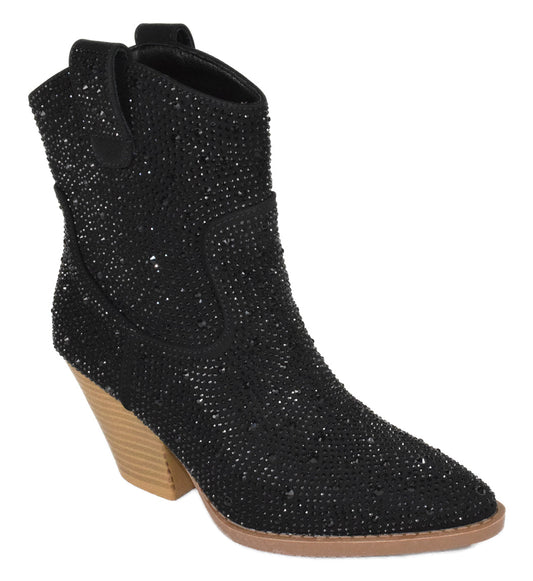
Charcoal Black Rhinestone Cowboy Ankle Boots with Pointed Toe
Vendor:ForeverRegular price $83.95 USDRegular price -
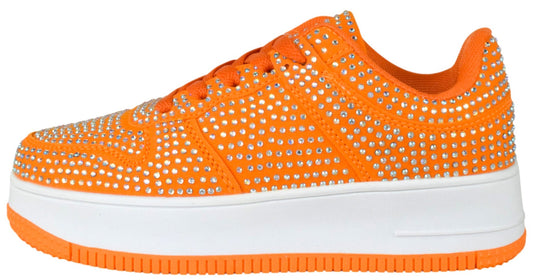
Orange Rhinestone Platform Sneakers with Lace Up Front
Vendor:BernessRegular price $55.95 USDRegular price -
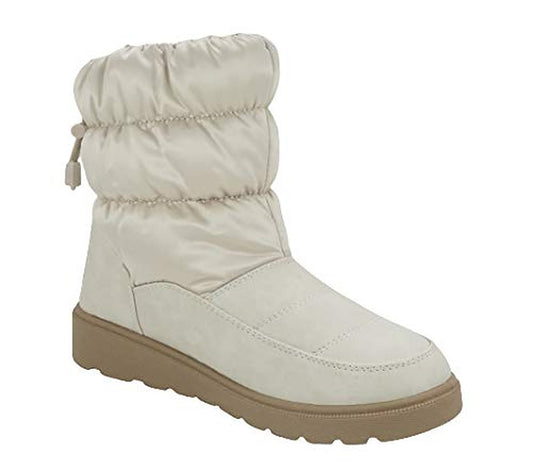
Beige Puffer Snow Boots with Faux Fur Lining and Toggle
Vendor:SodaRegular price $64.95 USDRegular price -
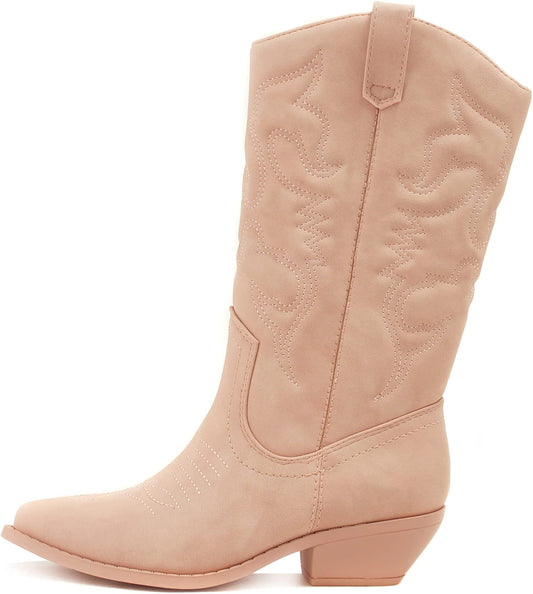
Pink Mid Calf Cowboy Boots with Western Stitching
Vendor:SodaRegular price $68.95 USDRegular price -
Taupe Lace Up Platform Ankle Boots with Chunky Heel
Vendor:ForeverRegular price $47.95 USDRegular price -
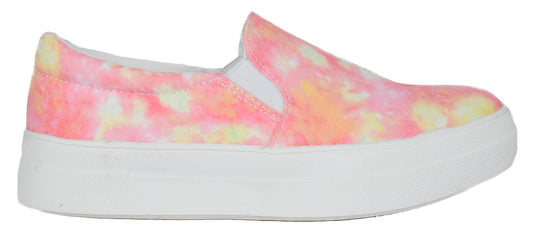
Pink Tie Dye Slip On Canvas Sneakers with Memory Foam
Vendor:SodaRegular price $52.95 USDRegular price -
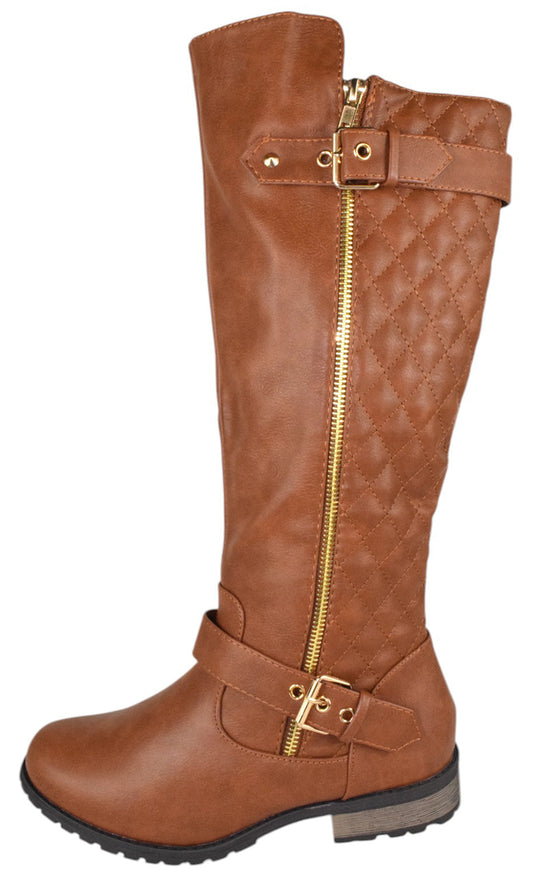
Tan Knee High Boots with Quilted Shaft and Buckle Straps
Vendor:ForeverRegular price $63.95 USDRegular price -
Leopard Print Stiletto Ankle Boots with Lace Up Front
Vendor:DeliciousRegular price $59.95 USDRegular price -
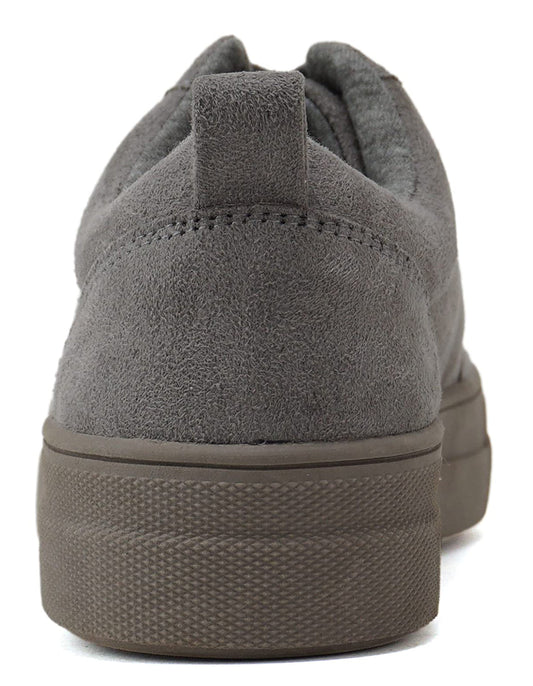
Gray Faux Suede Low Top Sneakers with Platform Sole
Vendor:SodaRegular price $48.95 USDRegular price -
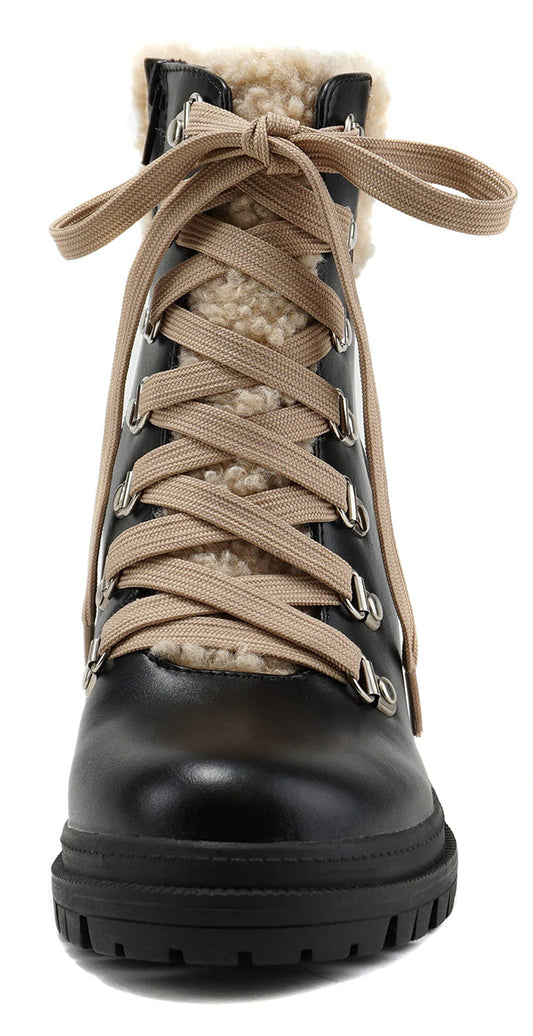
Black Lug Sole Combat Boots with Faux Fur and Chunky Heel
Vendor:SodaRegular price $72.95 USDRegular price -
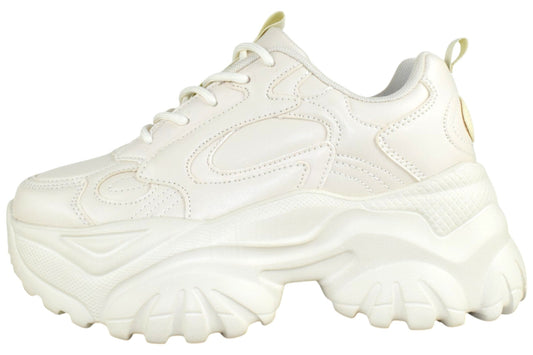
Cream Chunky Platform Sneakers with 2 Inch Sole
Vendor:BernessRegular price $68.95 USDRegular price -
White Rhinestone Cowboy Ankle Boots with Pointed Toe
Vendor:ForeverRegular price $83.95 USDRegular price -
White Studded Cowboy Ankle Boots with Clear Shaft
Vendor:Cape RobbinRegular price $92.95 USDRegular price -
Women's Multi Color Slip Resistant Work Clogs
Vendor:VangeloRegular price $96.95 USDRegular price -
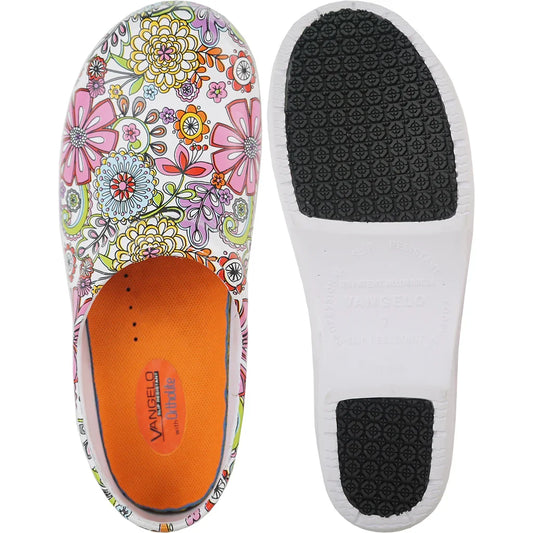
Women's Floral Slip Resistant Work Clogs
Vendor:VangeloRegular price $96.95 USDRegular price -
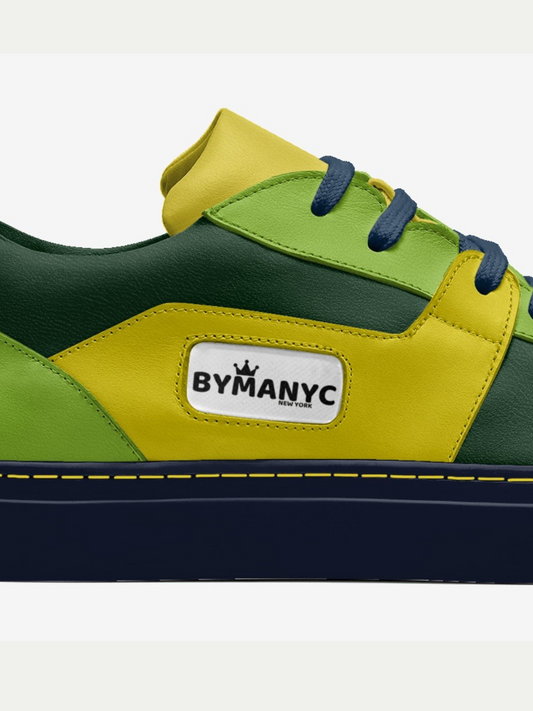
Unisex Lightweight Vegan Sneakers in Green and Yellow
Vendor:BYMANYC ® New YorkRegular price $301.95 USDRegular price -
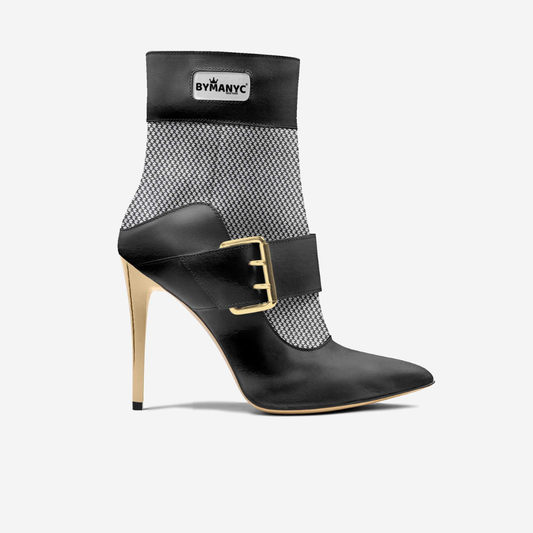
Women's Stiletto Bootie Vegan Leather Gold Mesh
Vendor:BYMANYC ® New YorkRegular price $283.95 USDRegular price -
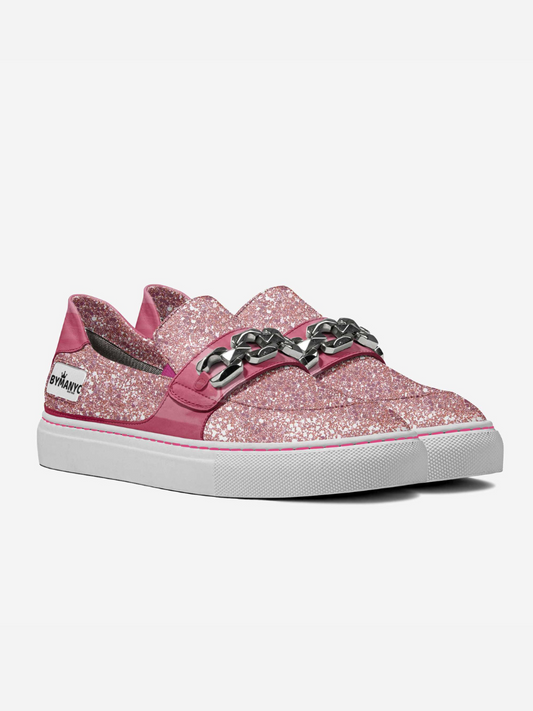
Unisex Low-Profile Vegan Sneakers in Printed Pink
Vendor:BYMANYC ® New YorkRegular price $301.95 USDRegular price -
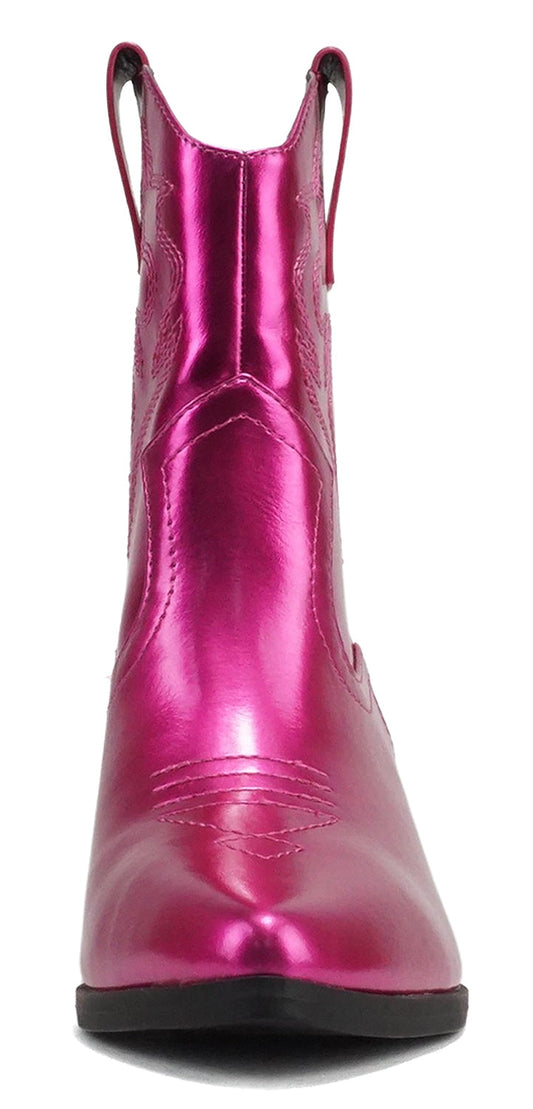
Metallic Hot Pink Cowboy Ankle Boots with Western Stitching
Vendor:SodaRegular price $68.95 USDRegular price -
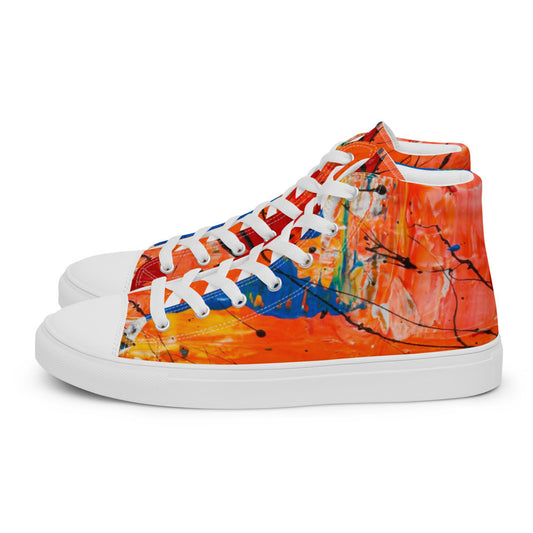
Gianneli Colours Orange High Top Canvas Sneakers
Vendor:Good Doer by GianneliRegular price $142.95 USDRegular price


































Guides for Shoes
View all-

How to Wear Platform Sneakers Without Looking Top-Heavy
Height without a heel, four hundred years old. The hem rule for jeans, the sock rule for dresses, platform against chunky, and the inch that keeps the walk.
How to Wear Platform Sneakers Without Looking Top-Heavy
Height without a heel, four hundred years old. The hem rule for jeans, the sock rule for dresses, platform against chunky, and the inch that keeps the walk.
-

Snow Boots vs Winter Boots and Which One Your Winter Needs
A winter boot handles cold. A snow boot handles cold and water, and the gram number on its label is not what most people think. Which one your winter needs.
Snow Boots vs Winter Boots and Which One Your Winter Needs
A winter boot handles cold. A snow boot handles cold and water, and the gram number on its label is not what most people think. Which one your winter needs.
-

Ankle, Mid-Calf or Knee-High Boots, Which Height to Wear
Three boot heights, three different hem rules. Which one earns the first purchase, why mid-calf is the hard one, and the calf measurement tall boots need.
Ankle, Mid-Calf or Knee-High Boots, Which Height to Wear
Three boot heights, three different hem rules. Which one earns the first purchase, why mid-calf is the hard one, and the calf measurement tall boots need.
-

How to Style Cowboy Boots When They Stop at the Ankle
Ankle cowboy boots change the rules. Where the hem lands, how loud the top can be, what tights to wear in winter, and why the pink pair is the one...
How to Style Cowboy Boots When They Stop at the Ankle
Ankle cowboy boots change the rules. Where the hem lands, how loud the top can be, what tights to wear in winter, and why the pink pair is the one...


