Snow Boots vs Winter Boots and Which One Your Winter Needs
Aysire Editorial
Share
A winter boot handles cold. A snow boot handles cold and water, and the gram number on its label is not what most people think. Which one your winter needs.
1346 words,
6 minutes read time.
Last edited .
Snow boots and winter boots are sold on the same shelf, photographed on the same models, and described with the same words, which is why the question keeps coming up. They are not the same thing. A winter boot is a boot for cold weather; a snow boot is a boot for cold weather plus water, and that one extra word changes the construction from the sole up. Here is the difference in plain terms, what the gram number on the label actually measures, and which of the two your particular winter needs.
Are winter boots the same as snow boots
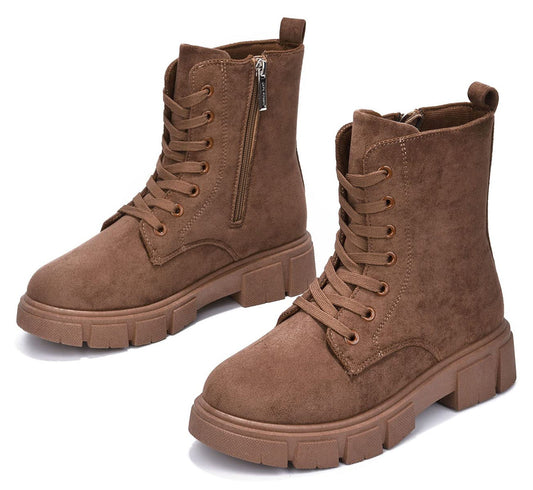
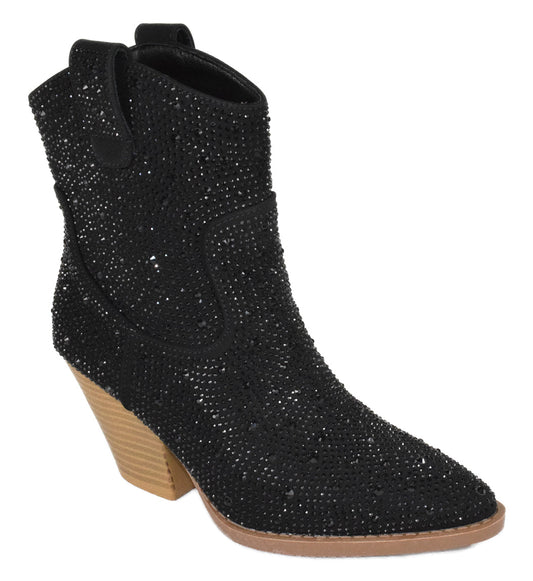
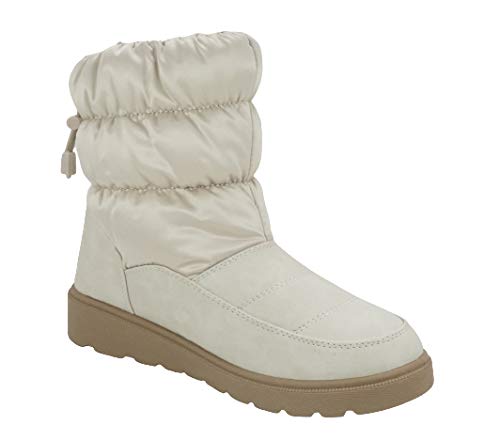
No. A winter boot keeps a foot warm on dry cold ground: a lined shaft, a thicker sole, often a fleece or faux fur lining, and a shape that still looks like a boot under a coat. A snow boot keeps a foot warm and dry at once, which is why it is built as a sealed shell with insulation inside. The shell resists water, the seams are sealed or minimal, the shaft is tall enough to keep slush out, and the outsole is cut for grip on ice rather than for looks.
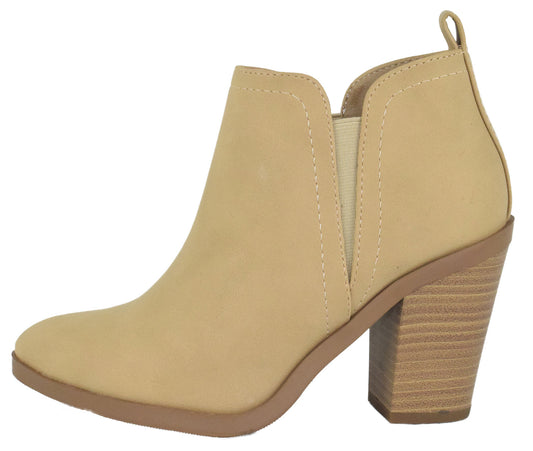
The practical test is a puddle. A winter boot walks around it; a snow boot walks through it. Everything else, the weight, the bulk, the price, follows from that one difference. In a women's boots collection the two kinds sit side by side under similar names, and the listing tells you which is which once you know what to look for: read the material of the lower half and the sole before you read the cuff.
What makes a snow boot a snow boot
Four parts, and a boot needs all four to earn the name.
A water-resistant lower: rubber, sealed synthetic or treated leather from the sole to at least the ankle, with as few seams as possible.
Insulation inside the shell, usually a synthetic fill rated in grams, sometimes a removable felt liner.
An outsole with deep lugs and a rubber compound that stays soft in the cold, so it grips ice instead of skating on it.
A shaft tall enough to close above the snow line, with a cuff or drawcord at the top to keep the snow from falling in.
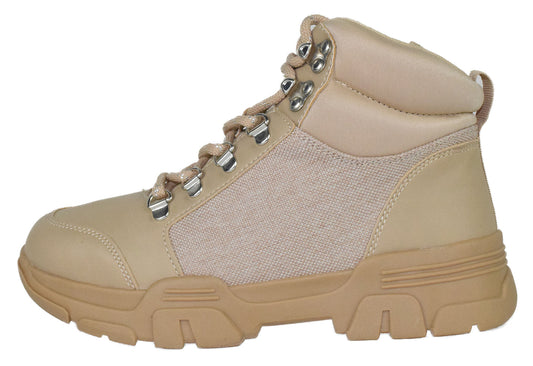
A boot with a faux fur cuff and a thick sole but a stitched fabric upper is a winter boot, however much it looks like the other thing. The cuff is decoration; the seams are the truth.
What the gram number on the label actually means
Snow boots are sold as 200 gram, 400 gram, 600 gram, and most people read that as the weight of insulation inside the boot. It is not. The gram figure on a snow boot is the weight of the insulation fabric per square meter, not the amount inside the boot. 3M's own specification for its footwear insulation lists the 200 series at 210 grams per square meter and four millimeters thick, and the 600 series at 620 grams per square meter and twelve millimeters thick, as published in 3M's Thinsulate footwear data sheet. So the number is a thickness in disguise, and it scales the way you would expect: 400 is twice the warmth of 200, not twice the heft.
What the number does not tell you is how the boot fits. A 600 gram boot worn tight, with the sock pressed flat against the shell, is colder than a 200 gram boot with a little air around the toes, because the air is the insulation and compressed fill has none. Buy snow boots with room for a thick sock and a finger's width at the toe.
Can I wear my snow boots in the rain
Yes, and they will do better in rain than most winter boots, because the same sealed lower that stops slush stops puddles. The limits are the same as in snow: water that rises above the sealed section will find the seam, and a faux fur cuff will drink it up. Snow boots handle rain until the water reaches the stitched part of the shaft, so the sealed height is the number that matters. The difference from a rain boot is insulation: a rain boot is a hollow shell that is cold by November, and a snow boot in April rain is a warm shell that is too hot by lunchtime.
Can you wear snow boots in the summer
You can, and your feet will tell you within the hour why you should not. Insulation works in both directions; it holds heat in whether the heat comes from the snow outside or from the foot inside. A sealed shell also keeps moisture in, so a summer day in a snow boot ends with a wet sock and a boot that has started to smell. Summer is when snow boots get cleaned and stored: wipe the shell, brush the cuff, pull out any removable liner to dry flat, stuff the shaft so it stands, and keep the pair out of a hot attic where the sole compound goes stiff. Salt lines from the last walks of March come off a rubber lower with a damp cloth and a drop of dish soap, and off a synthetic shaft with a soft brush once the boot is dry; left on through the summer they set into the surface.
What boots are best for extreme cold
Below zero Fahrenheit, three things decide it, and none of them is the brand. First, insulation of 400 grams or more, with a removable liner if you will be out for hours, because a liner that comes out dries overnight and a fixed one does not. Second, a sole thick enough to put distance between the foot and the ground, since more cold comes up through the sole than in through the sides. Third, a fit with room to move the toes; a foot that cannot wiggle cannot warm itself. The best boots for extreme cold pair at least 400 grams of insulation with a thick sole and enough room to wiggle every toe. A pack boot, a rubber lower with a leather or fabric upper and a felt liner, remains the reference design because it does all three at once.
Snow boots vs hiking boots
A hiking boot is built for support and grip on uneven ground, not for water and cold. Even an insulated hiking boot has a lower shaft, a stiffer sole made for trail, and seams everywhere. It is the right boot for a winter walk on a cleared trail and the wrong boot for a parking lot of slush. The two overlap only on a cold, dry hike, which is exactly where the winter boot from the first section also does fine. For the weeks on either side of winter, the guide to transitional footwear picks up where this one stops.
Which one your winter needs
Match the boot to the ground, not the temperature. If your winter is cold and mostly dry, city pavements, cleared sidewalks, a car between doors, a winter boot with a lined shaft and a decent sole is the right buy and the one you will actually wear, because it goes with the rest of the closet. The shoes collection is where that pair lives, next to the sneakers and flats that carry the dry days between storms.
If your winter is slush, deep snow, or a walk to the train through whatever fell overnight, buy the snow boot and stop pretending a lined fashion boot will cope. A snow boot earns its place on the first slush day of the year and a winter boot earns its place on every other day. Many closets need one of each: the sealed pair by the door for the weather, the lined pair for the rest of the week.
Start with the snow boots if the weather is the problem. Either way, read the lower half of the boot before the cuff, buy with sock room, and the pair will see you through more than one winter.
Three boot heights, three different hem rules. Which one earns the first purchase, why mid-calf is the hard one, and the calf measurement tall boots need.
Three boot heights, three different hem rules. Which one earns the first purchase, why mid-calf is the hard one, and the calf measurement tall boots need.
Shoes take more physical stress than almost anything else you wear, and a poorly made pair shows it fast. This guide covers what actually matters when buying footwear built to...
Shoes take more physical stress than almost anything else you wear, and a poorly made pair shows it fast. This guide covers what actually matters when buying footwear built to...
Everyday shoes should balance comfort, support, and modern style. This guide explores how versatile footwear enhances daily movement, personal style, and long term wearability.
Everyday shoes should balance comfort, support, and modern style. This guide explores how versatile footwear enhances daily movement, personal style, and long term wearability.