
A print on a stretch fabric is not a fixed image. It stretches with the cloth, which means it distorts most exactly where the fabric is asked to do the most work. That is worth knowing before you judge a print by a flat photograph of it.
-
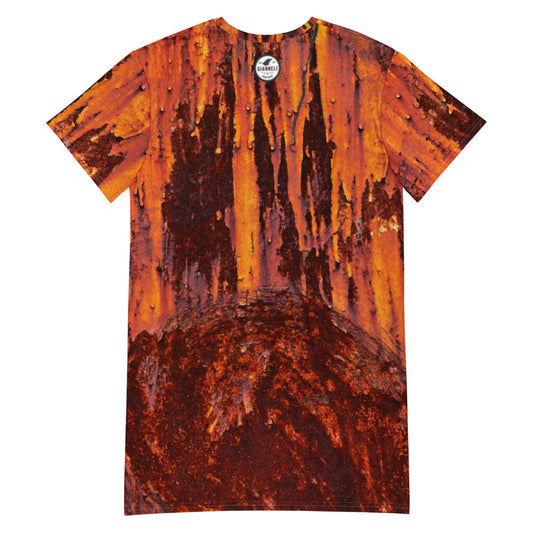
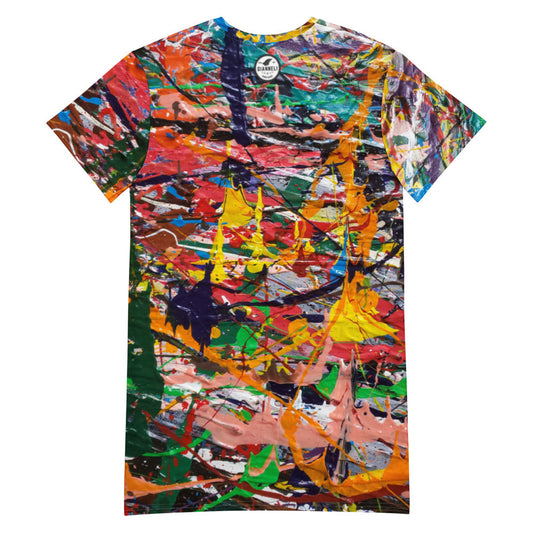
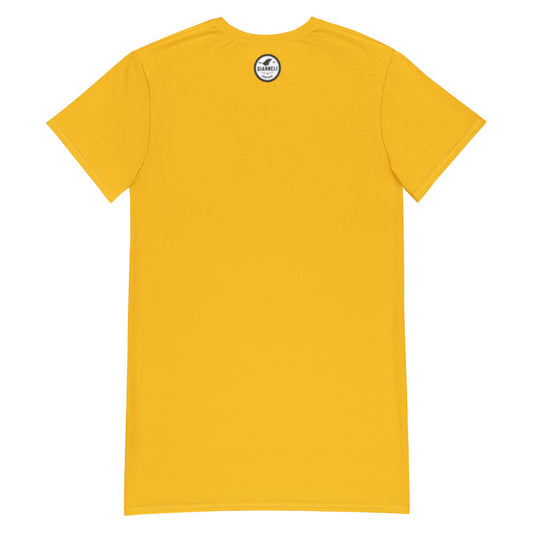
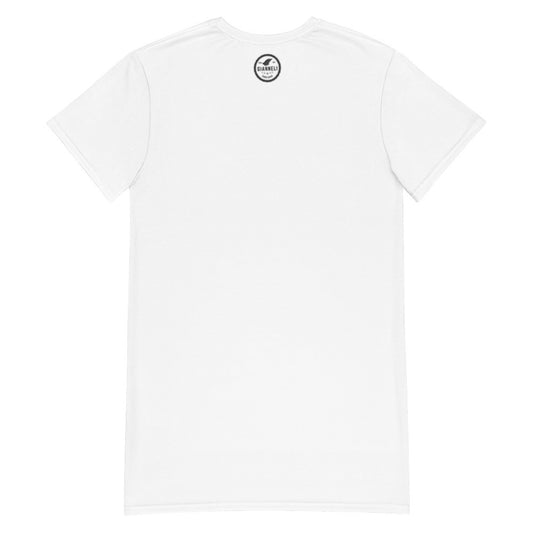
Clochard Grunge T-Shirt Dress
Vendor:Good Doer by GianneliRegular price $149.95 USDRegular price -
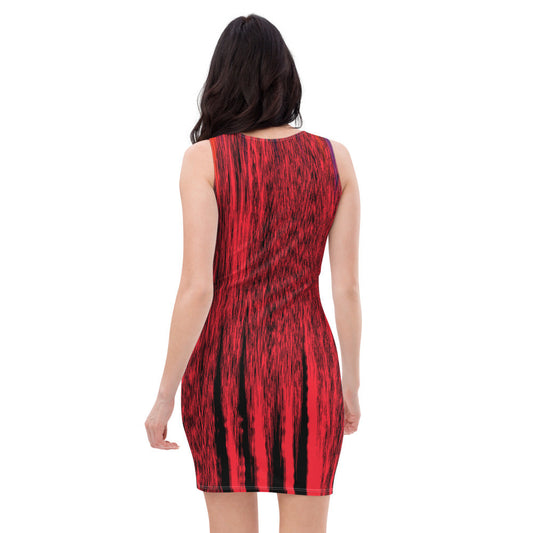
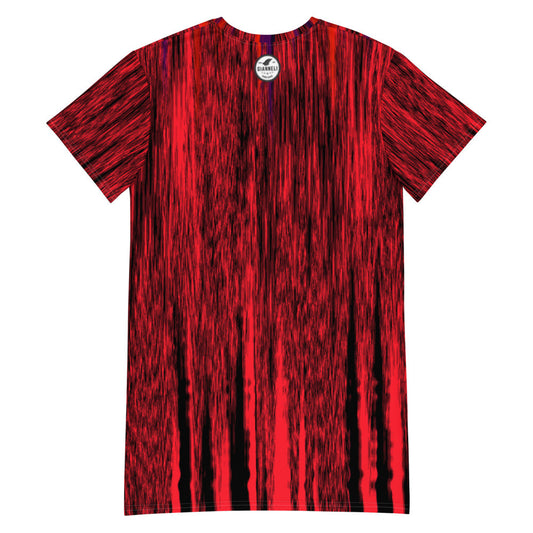
Flames Sublimation Fitted Dress
Vendor:Good Doer by GianneliRegular price $121.95 USDRegular price -
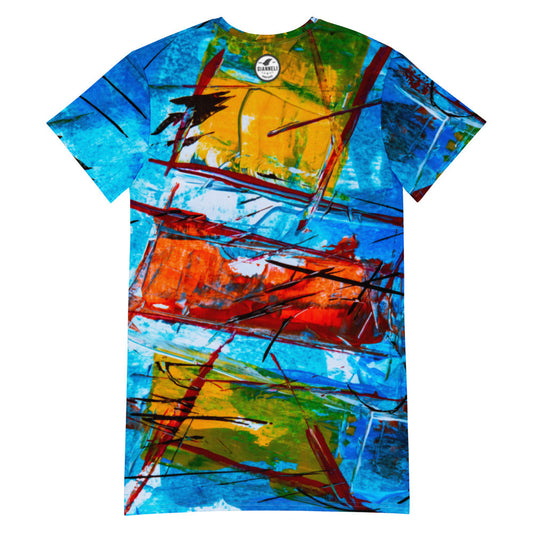
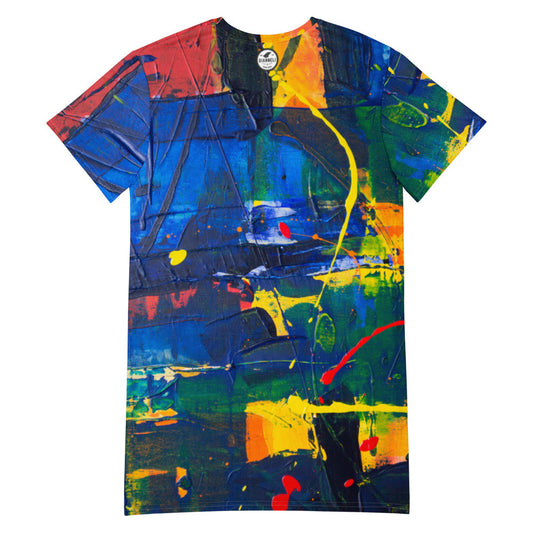
Gianneli Colours Blue and Green Relaxed T-Shirt Dress
Vendor:Good Doer by GianneliRegular price $118.95 USDRegular price -
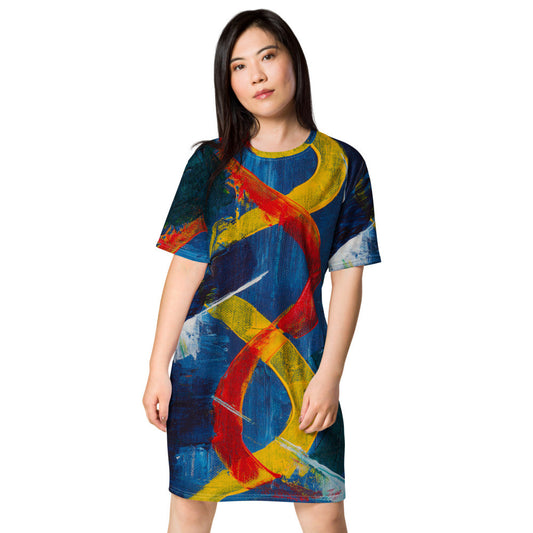
Gianneli Colours Blue and Yellow Oversize T-Shirt Dress
Vendor:Good Doer by GianneliRegular price $118.95 USDRegular price -
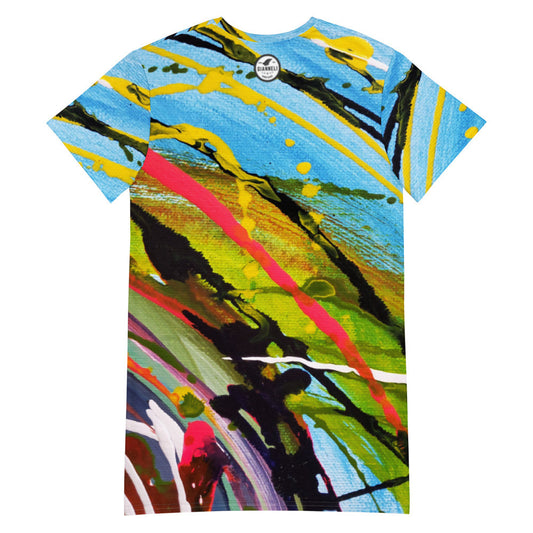
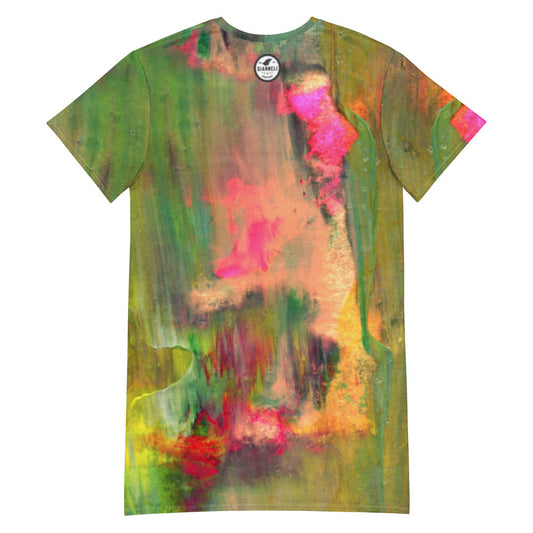
Gianneli Colours Green and Pink Oversize T-Shirt Dress
Vendor:Good Doer by GianneliRegular price $118.95 USDRegular price -
Gianneli Colours Navy Ribbon Oversize T-Shirt Dress
Vendor:Good Doer by GianneliRegular price $118.95 USDRegular price -
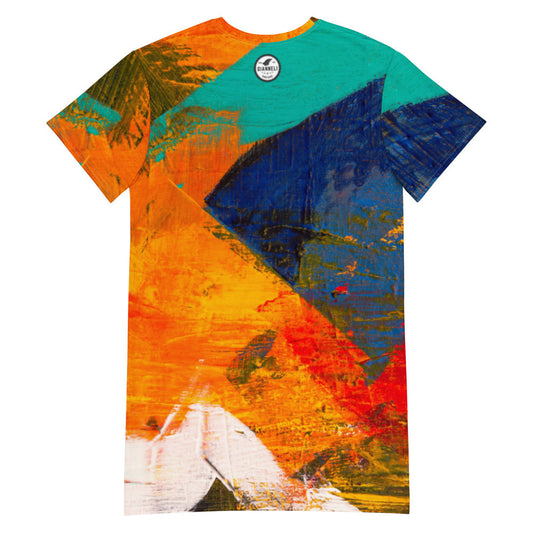
Gianneli Colours Orange and Teal Relaxed T-Shirt Dress
Vendor:Good Doer by GianneliRegular price $118.95 USDRegular price -
Gianneli Colours Orange Drop Shoulder T-Shirt Dress
Vendor:Good Doer by GianneliRegular price $118.95 USDRegular price -
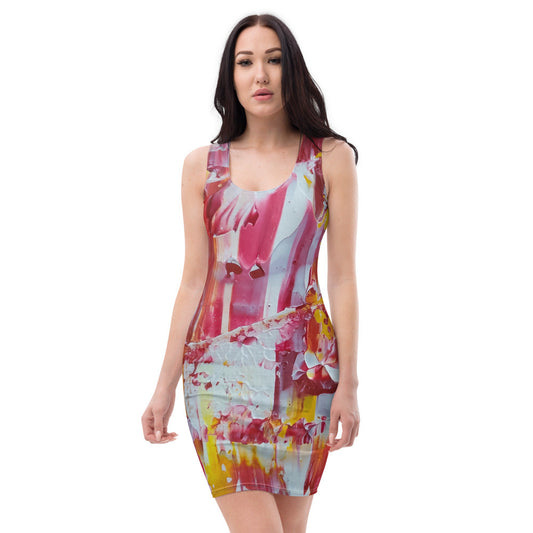
Gianneli Colours Pink and White Fitted Dress
Vendor:Good Doer by GianneliRegular price $139.95 USDRegular price -
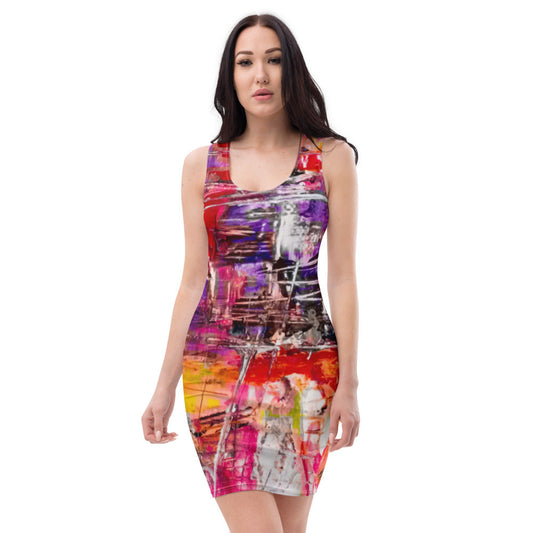
Gianneli Colours Purple and Gold Fitted Dress
Vendor:Good Doer by GianneliRegular price $139.95 USDRegular price -
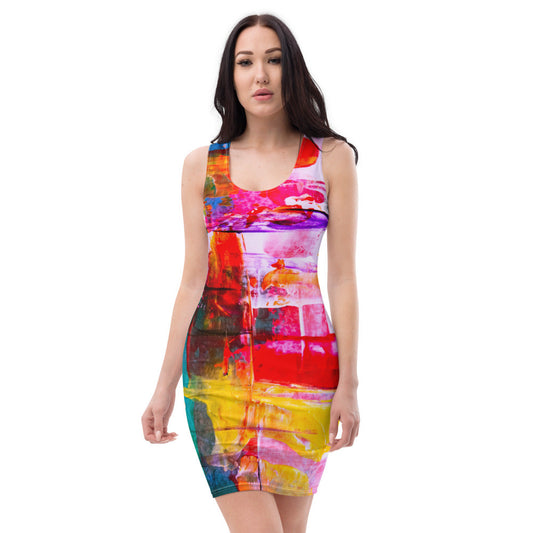
Gianneli Colours Rainbow Fitted Dress
Vendor:Good Doer by GianneliRegular price $139.95 USDRegular price -
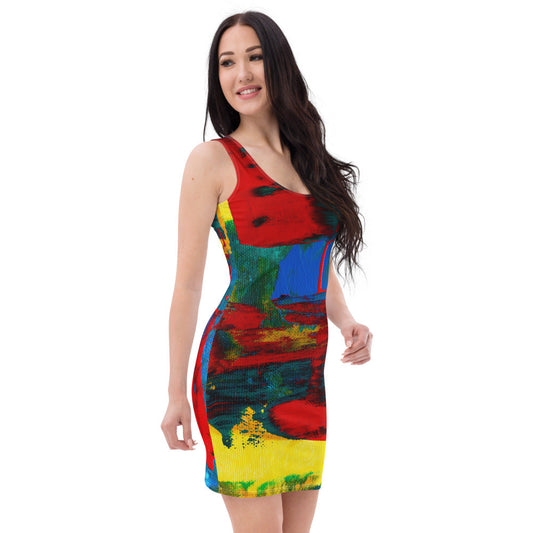
Gianneli Colours Red and Blue Fitted Dress
Vendor:Good Doer by GianneliRegular price $139.95 USDRegular price -
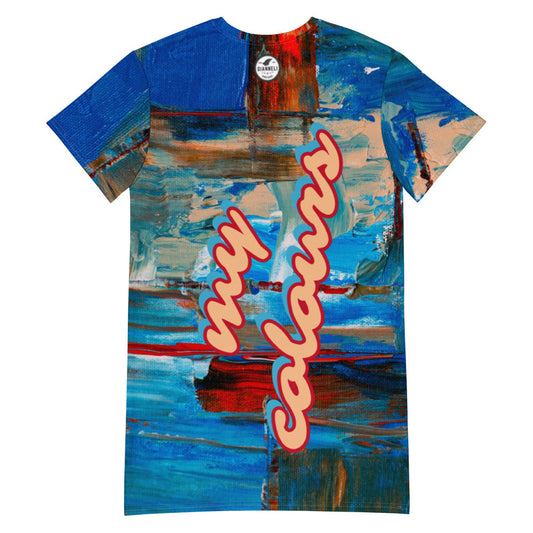
Hug My Colours Blue Oversize T-Shirt Dress
Vendor:Good Doer by GianneliRegular price $128.95 USDRegular price -
Hug My Colours Oversized Drop Shoulder T-Shirt Dress
Vendor:Good Doer by GianneliRegular price $139.95 USDRegular price -
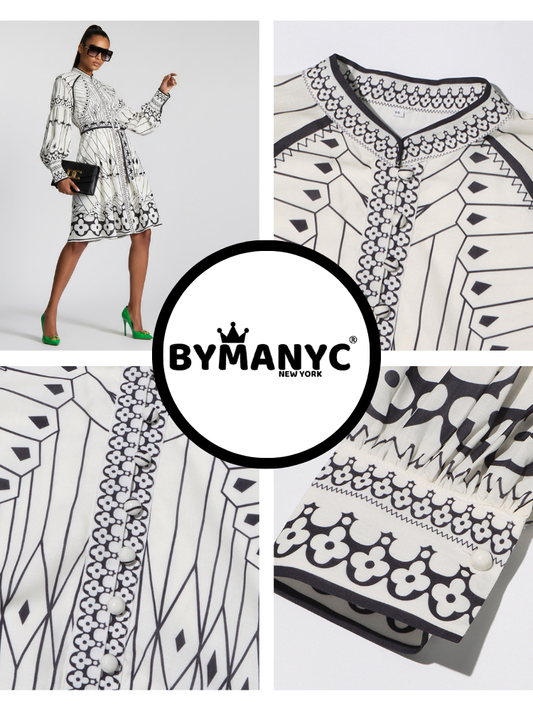
Midi Dress Geometric Butterfly Puff Sleeve
Vendor:BYMANYC ® New YorkRegular price $400.95 USDRegular price -
On Fire Oversize T-Shirt Dress
Vendor:Good Doer by GianneliRegular price $121.95 USDRegular price -
Sunsets Drop Shoulder T-Shirt Dress
Vendor:Good Doer by GianneliRegular price $110.95 USDRegular price -
The Dove Oversize T-Shirt Dress
Vendor:Good Doer by GianneliRegular price $114.95 USDRegular price -
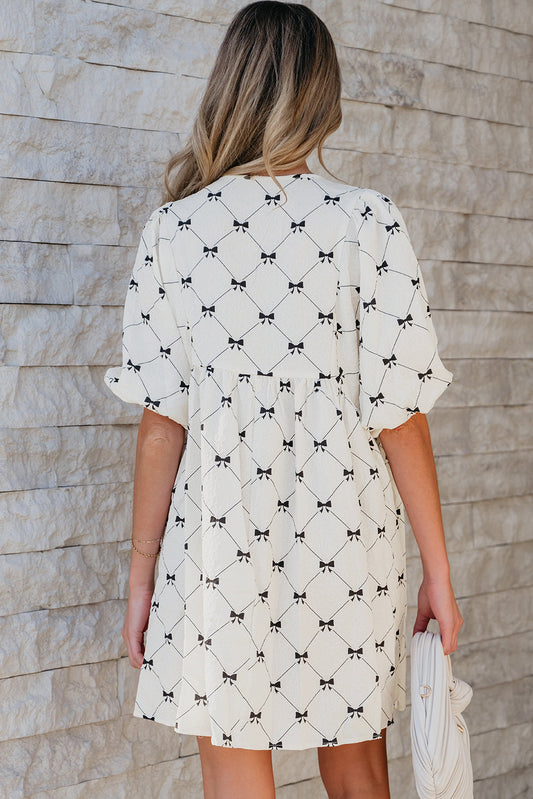
Women's Bow Print Puff Sleeve Mini Dress in Cream
Vendor:Threaded PearRegular price $42.95 USDRegular price -
Women's Floral Maxi Dress Scallop Bust
Vendor:BYMANYC ® New YorkRegular price $380.95 USDRegular price -
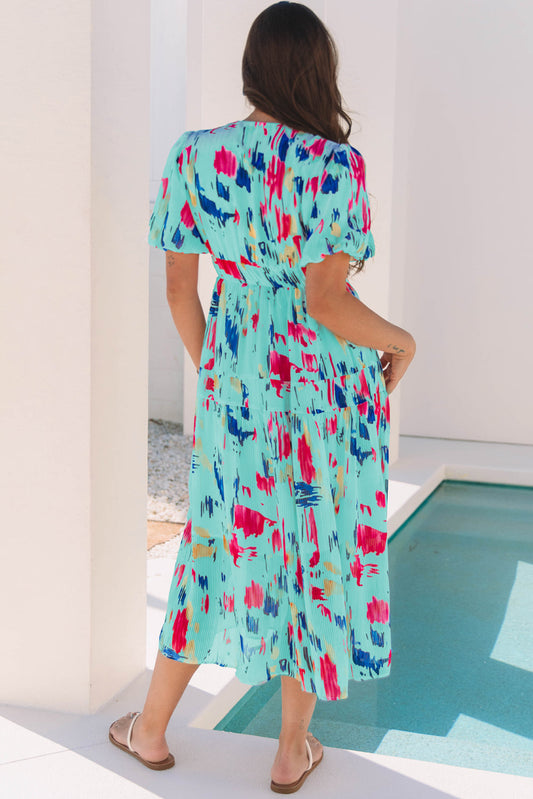
Women's Abstract Print Tiered Midi Dress in Aqua
Vendor:Threaded PearRegular price $58.95 USDRegular price -
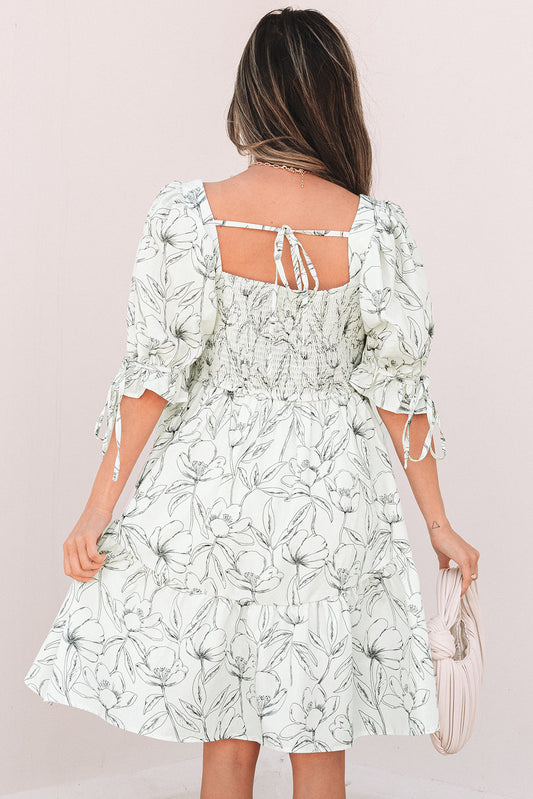
Women's Botanical Print Square Neck Dress with Puff Sleeves in Ivory
Vendor:Threaded PearRegular price $52.95 USDRegular price -
Women's Bow Stripe Print Collared Mini Dress in Cream
Vendor:Threaded PearRegular price $48.95 USDRegular price

























Guides for Apparel
View all-

How to Build a Capsule Wardrobe That Works
A packed closet and nothing to wear is a coherence problem, not a shortage one. A capsule wardrobe fixes it with a smaller set of pieces that all work together,...
How to Build a Capsule Wardrobe That Works
A packed closet and nothing to wear is a coherence problem, not a shortage one. A capsule wardrobe fixes it with a smaller set of pieces that all work together,...
-

Guide to Everyday Clothing That Balances Style, Comfort, and Longevity
Modern apparel is about versatility, comfort, and longevity. This guide explores how everyday clothing can support personal style, adapt to modern lifestyles, and deliver long term value without relying on...
Guide to Everyday Clothing That Balances Style, Comfort, and Longevity
Modern apparel is about versatility, comfort, and longevity. This guide explores how everyday clothing can support personal style, adapt to modern lifestyles, and deliver long term value without relying on...
- More from the blog, not specific to this page.

How to Remove Gel Nail Polish at Home Without Peeling
A lifted corner is not an invitation to pull. The acetone soak, a wrap-time table for each gel type and a calm week of cuticle care keep the nail you...
How to Remove Gel Nail Polish at Home Without Peeling
A lifted corner is not an invitation to pull. The acetone soak, a wrap-time table for each gel type and a calm week of cuticle care keep the nail you...
- More from the blog, not specific to this page.

Throw Blanket Size: Which One Covers You, Your Sofa and Your Bed
Most people buy a throw by guess and find out at the toes. One multiplication gives the length that really covers you, and a chart does the rest.
Throw Blanket Size: Which One Covers You, Your Sofa and Your Bed
Most people buy a throw by guess and find out at the toes. One multiplication gives the length that really covers you, and a chart does the rest.


