A collection is different from a toy box in one respect: it has a rule. Figures bought singly become a set the moment somebody decides what the set is about, whether that is African animals, everything with antlers, or one species from every continent. That rule is what makes the next purchase feel like a decision rather than an addition, and it is what keeps a shelf interesting long after individual play has moved on.
-
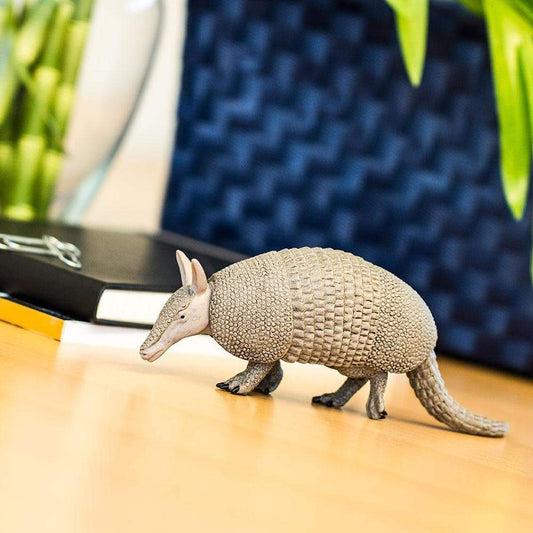
Armadillo Figurine Gray with Pink Underside
Vendor:Safari LtdRegular price $26.95 USDRegular price -
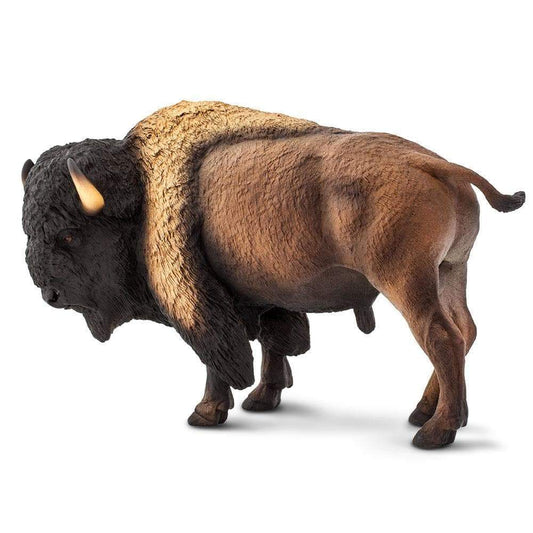
Bison Figurine 8 Inch with Heavy Winter Coat
Vendor:Safari LtdRegular price $50.95 USDRegular price -
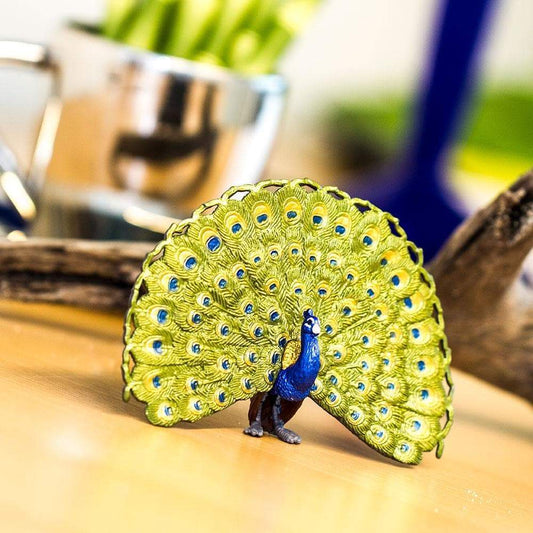
Blue Peacock Figurine 4 Inch Fanned Train
Vendor:Safari LtdRegular price $26.95 USDRegular price -
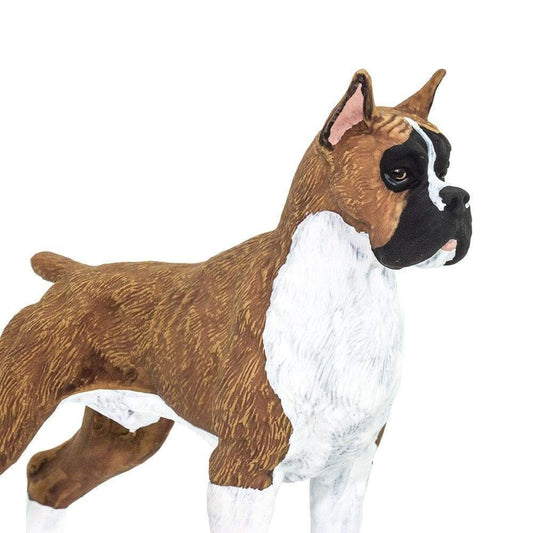
Boxer Dog Figurine Brown with White Chest
Vendor:Safari LtdRegular price $23.95 USDRegular price -
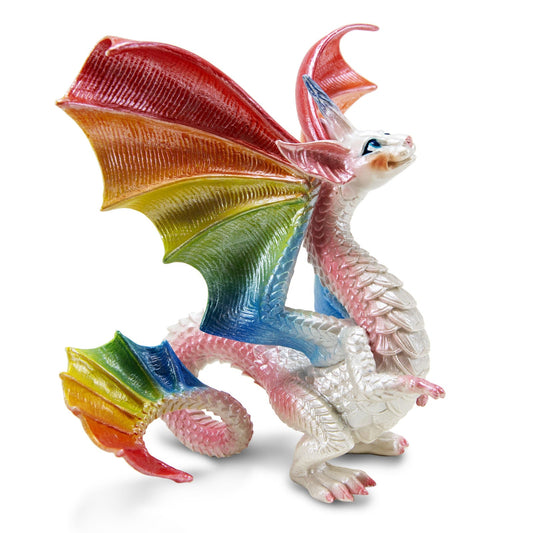
Fairy Dragon Figurine Pearlescent Rainbow Wings
Vendor:Safari LtdRegular price $56.95 USDRegular price -
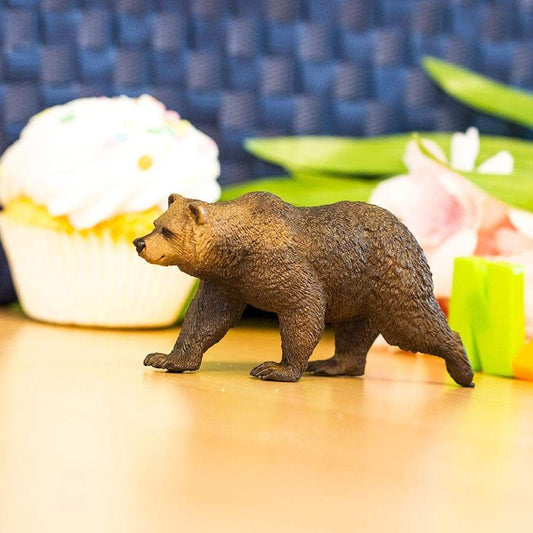
Grizzly Bear Figurine 4.7 Inch Hand Painted
Vendor:Safari LtdRegular price $22.95 USDRegular price -
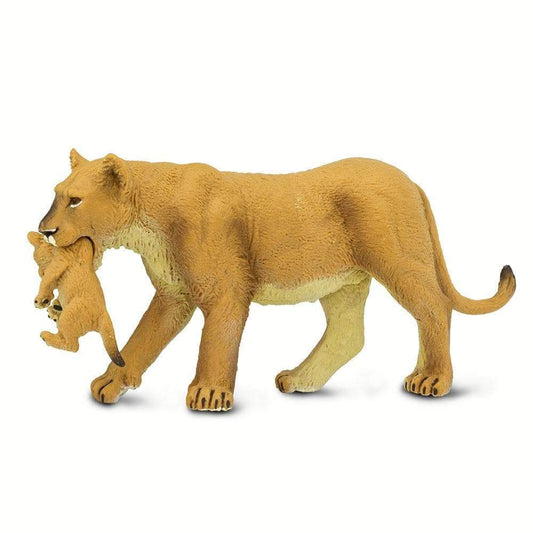
Lioness with Cub Figurine Realistic Animal Toy
Vendor:Safari LtdRegular price $27.95 USDRegular price -
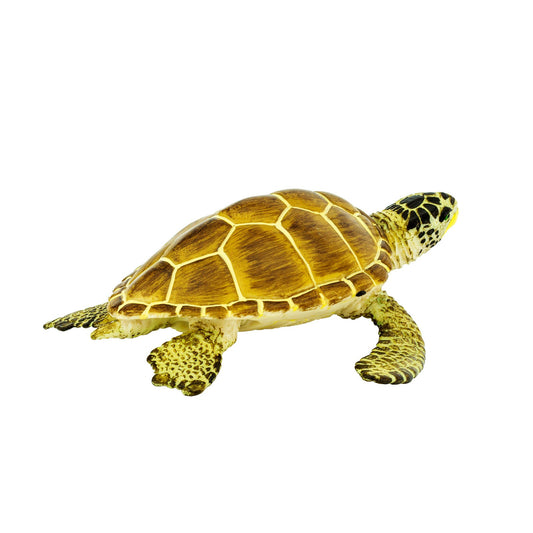
Loggerhead Sea Turtle Figurine Brownish Yellow
Vendor:Safari LtdRegular price $23.95 USDRegular price -
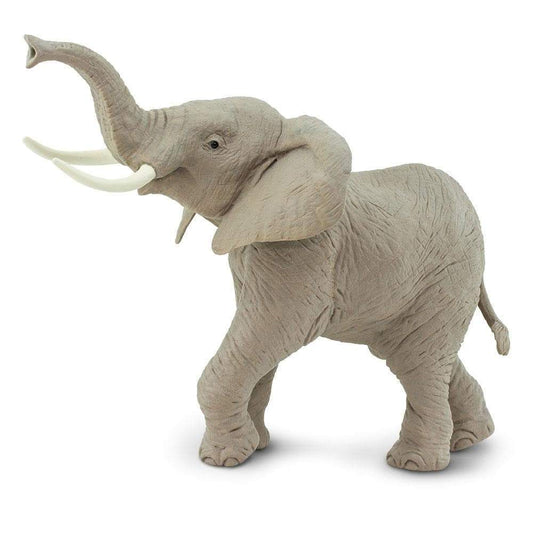
Realistic African Elephant Figurine with Detailed Anatomy
Vendor:Safari LtdRegular price $62.95 USDRegular price -
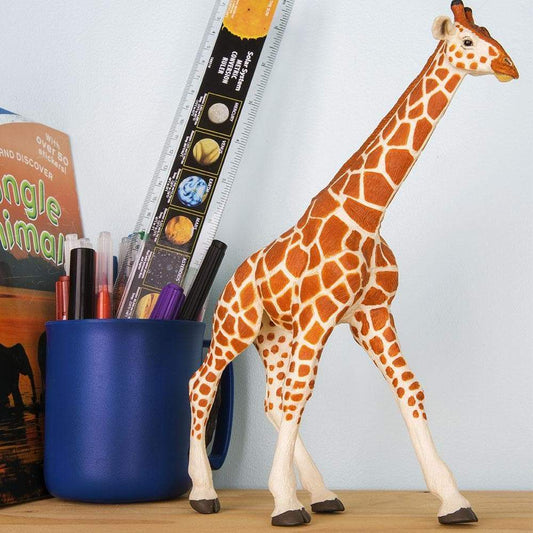
Reticulated Giraffe Figurine 9.5 Inches Tall
Vendor:Safari LtdRegular price $56.95 USDRegular price -
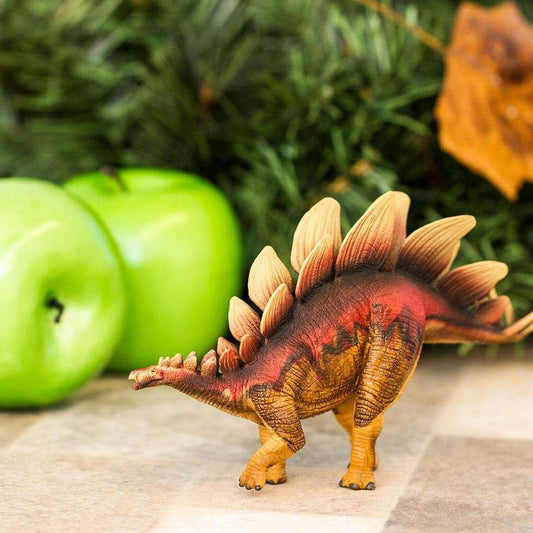
Stegosaurus Dinosaur Toy with Authentic Plates
Vendor:Safari LtdRegular price $30.95 USDRegular price











Guides for Toys
View all-

Sensory Bin Ideas for Toddlers: What Goes In the Bin
Every guide solves the filler. Rice, pasta, cloud dough. What almost none of them covers is the part that decides whether a bin holds a toddler: what you bury in...
Sensory Bin Ideas for Toddlers: What Goes In the Bin
Every guide solves the filler. Rice, pasta, cloud dough. What almost none of them covers is the part that decides whether a bin holds a toddler: what you bury in...
- More from the blog, not specific to this page.

Black Tie Optional for Women, Without the Outfit Panic
A long hem is only one clue. The detail that makes a midi work, and the fitting check worth doing before you decide, can change which outfit you choose.
Black Tie Optional for Women, Without the Outfit Panic
A long hem is only one clue. The detail that makes a midi work, and the fitting check worth doing before you decide, can change which outfit you choose.
- More from the blog, not specific to this page.

How to Measure Bracelet Size for a Comfortable Fit
Two bracelets labeled the same size can feel surprisingly different. Which measurement explains the difference, and what should you check before choosing yours?
How to Measure Bracelet Size for a Comfortable Fit
Two bracelets labeled the same size can feel surprisingly different. Which measurement explains the difference, and what should you check before choosing yours?
- More from the blog, not specific to this page.

How to Wear Platform Sneakers Without Looking Top-Heavy
Height without a heel, four hundred years old. The hem rule for jeans, the sock rule for dresses, platform against chunky, and the inch that keeps the walk.
How to Wear Platform Sneakers Without Looking Top-Heavy
Height without a heel, four hundred years old. The hem rule for jeans, the sock rule for dresses, platform against chunky, and the inch that keeps the walk.


