Size changes what an animal model is for. Past a few inches a figure stops being a piece in a game and starts being an object in the room, with enough surface for real anatomy, a stance that reads from across a table, and enough weight to stay where it is put. The practical benefits arrive at the same time, since a large figure does not vanish into a sofa, does not go up a toddler's nose and survives handling that would snap something delicate, so choose the big models when a figure is meant to be noticed rather than played with in quantity.
-
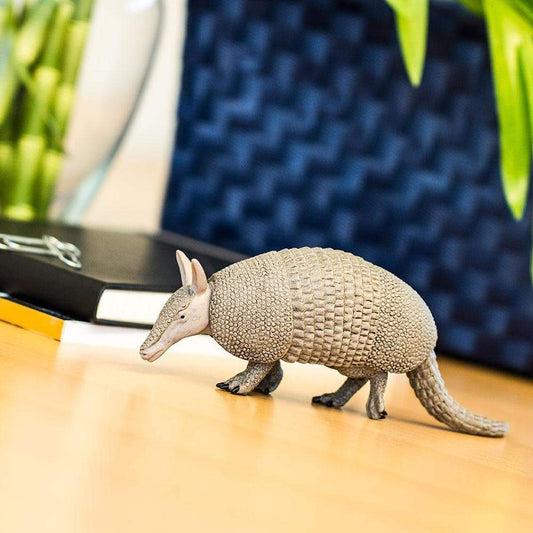
Armadillo Figurine Gray with Pink Underside
Vendor:Safari LtdRegular price $26.95 USDRegular price -
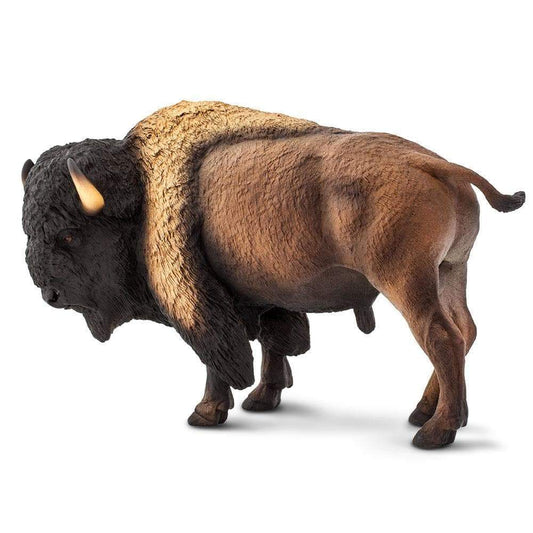
Bison Figurine 8 Inch with Heavy Winter Coat
Vendor:Safari LtdRegular price $50.95 USDRegular price -
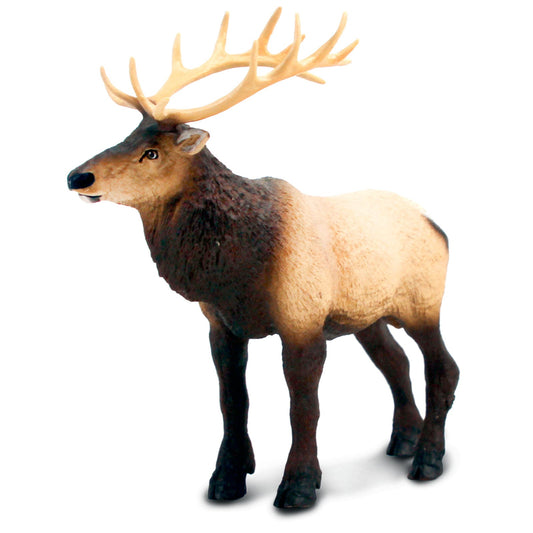
Elk Figurine Realistic Wildlife Sculpture
Vendor:Safari LtdRegular price $50.95 USDRegular price -
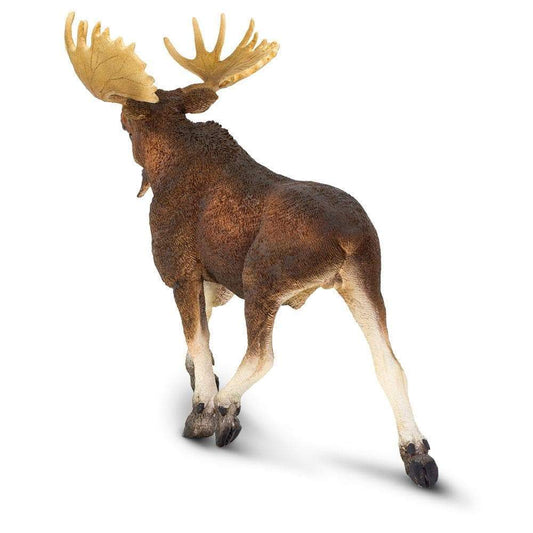
Moose Figurine with Massive Palmate Antlers
Vendor:Safari LtdRegular price $52.95 USDRegular price -
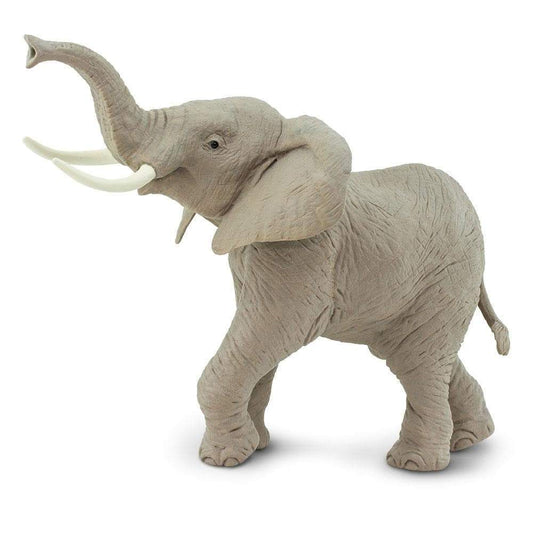
Realistic African Elephant Figurine with Detailed Anatomy
Vendor:Safari LtdRegular price $62.95 USDRegular price -
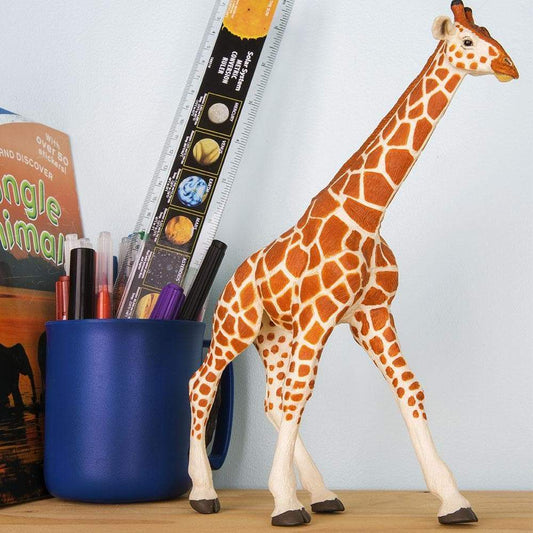
Reticulated Giraffe Figurine 9.5 Inches Tall
Vendor:Safari LtdRegular price $56.95 USDRegular price






Guides for Toys
View all-

Sensory Bin Ideas for Toddlers: What Goes In the Bin
Every guide solves the filler. Rice, pasta, cloud dough. What almost none of them covers is the part that decides whether a bin holds a toddler: what you bury in...
Sensory Bin Ideas for Toddlers: What Goes In the Bin
Every guide solves the filler. Rice, pasta, cloud dough. What almost none of them covers is the part that decides whether a bin holds a toddler: what you bury in...
- More from the blog, not specific to this page.

Black Tie Optional for Women, Without the Outfit Panic
A long hem is only one clue. The detail that makes a midi work, and the fitting check worth doing before you decide, can change which outfit you choose.
Black Tie Optional for Women, Without the Outfit Panic
A long hem is only one clue. The detail that makes a midi work, and the fitting check worth doing before you decide, can change which outfit you choose.
- More from the blog, not specific to this page.

How to Measure Bracelet Size for a Comfortable Fit
Two bracelets labeled the same size can feel surprisingly different. Which measurement explains the difference, and what should you check before choosing yours?
How to Measure Bracelet Size for a Comfortable Fit
Two bracelets labeled the same size can feel surprisingly different. Which measurement explains the difference, and what should you check before choosing yours?
- More from the blog, not specific to this page.

How to Wear Platform Sneakers Without Looking Top-Heavy
Height without a heel, four hundred years old. The hem rule for jeans, the sock rule for dresses, platform against chunky, and the inch that keeps the walk.
How to Wear Platform Sneakers Without Looking Top-Heavy
Height without a heel, four hundred years old. The hem rule for jeans, the sock rule for dresses, platform against chunky, and the inch that keeps the walk.


