A diorama needs figures that are small enough to leave room for the scene, which is exactly what the miniature bags provide and exactly what a full-size model cannot. At this size a handful becomes a herd, a scene fits inside a shoebox or a glass jar, and there is space left for the landscape that makes the whole thing read. Choose the smallest figure that still shows its species and the scene will do the rest.
-
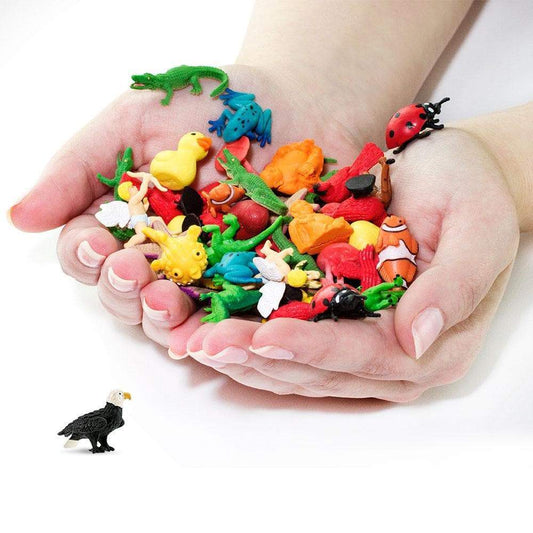
Bald Eagle Good Luck Minis 192 Piece Bulk Bag
Vendor:Safari LtdRegular price $233.95 USDRegular price -
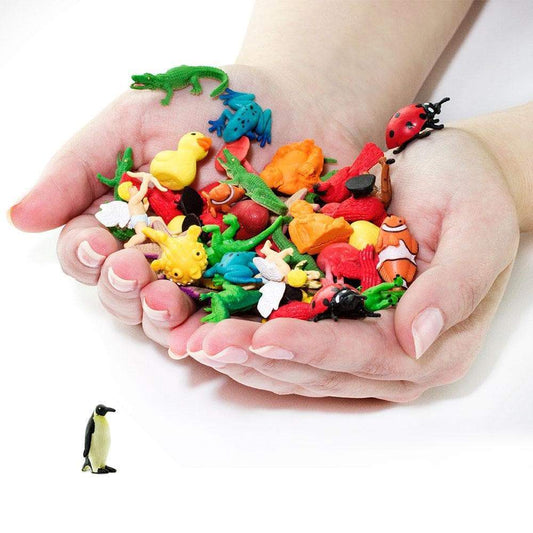
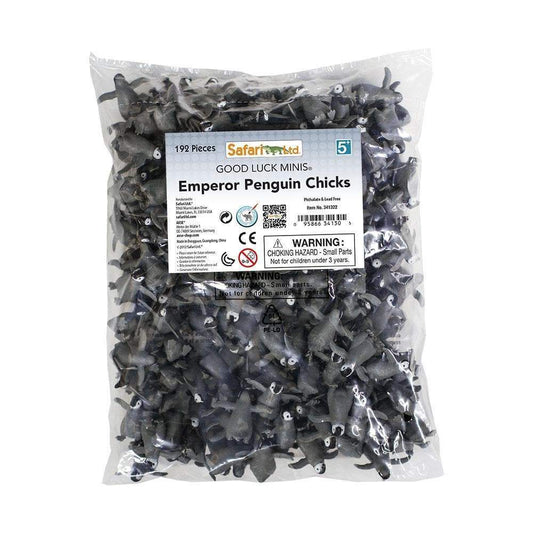
Emperor Penguin Good Luck Minis 192 Piece Bag
Vendor:Safari LtdRegular price $233.95 USDRegular price -
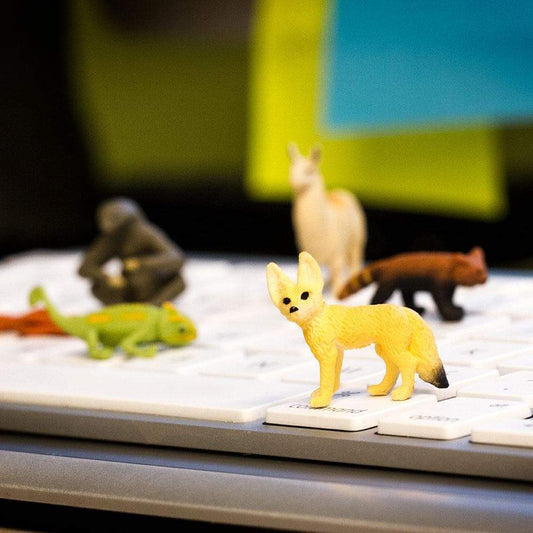
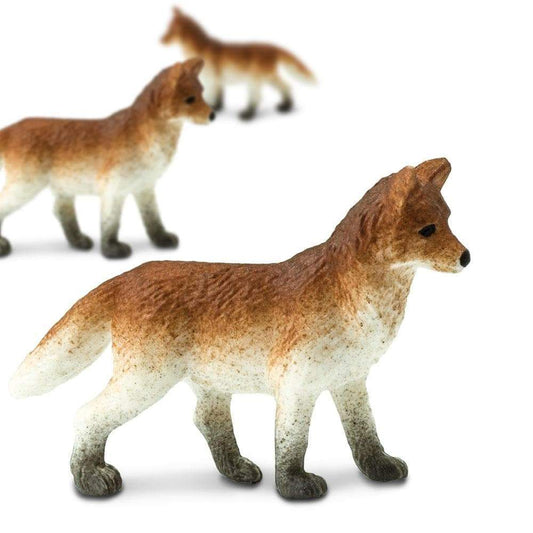
Fennec Fox Good Luck Minis 192 Piece Bulk Bag
Vendor:Safari LtdRegular price $233.95 USDRegular price -
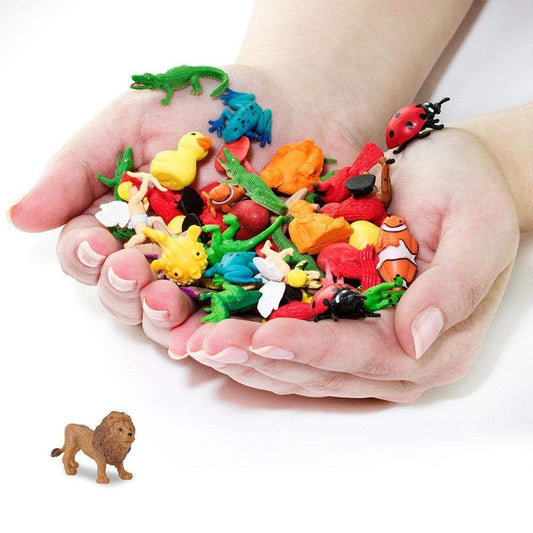
Lion Good Luck Minis 192 Piece Bulk Bag
Vendor:Safari LtdRegular price $233.95 USDRegular price -
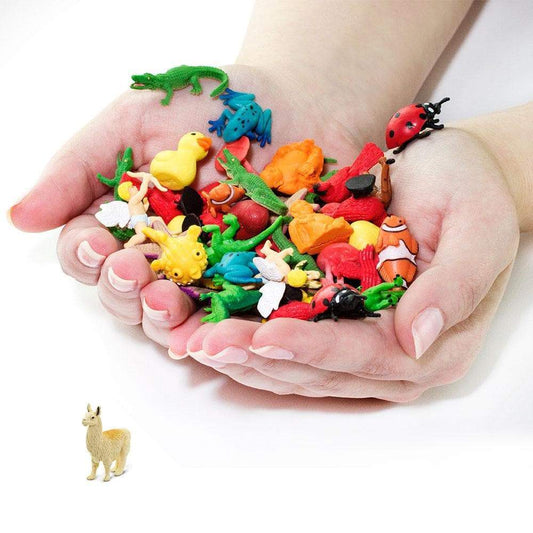
Llama Good Luck Minis 192 Piece Bulk Bag
Vendor:Safari LtdRegular price $233.95 USDRegular price -
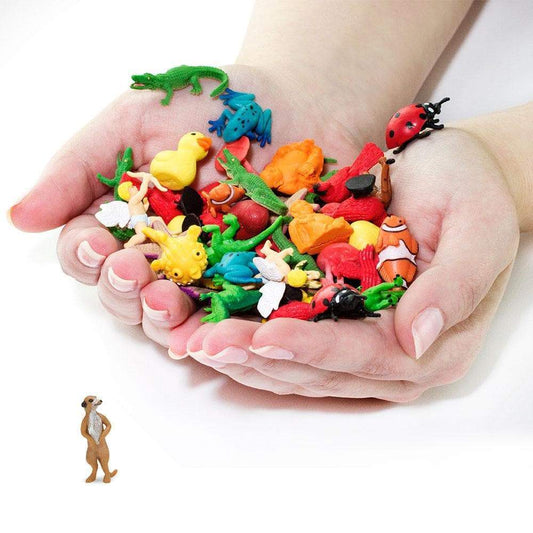
Meerkat Good Luck Minis 192 Piece Bulk Bag
Vendor:Safari LtdRegular price $233.95 USDRegular price -
Penguin Chick Good Luck Minis 192 Piece Bulk Bag
Vendor:Safari LtdRegular price $233.95 USDRegular price -
Red Fox Good Luck Minis 192 Piece Bulk Bag
Vendor:Safari LtdRegular price $233.95 USDRegular price








Guides for Toys
View all-

Sensory Bin Ideas for Toddlers: What Goes In the Bin
Every guide solves the filler. Rice, pasta, cloud dough. What almost none of them covers is the part that decides whether a bin holds a toddler: what you bury in...
Sensory Bin Ideas for Toddlers: What Goes In the Bin
Every guide solves the filler. Rice, pasta, cloud dough. What almost none of them covers is the part that decides whether a bin holds a toddler: what you bury in...
- More from the blog, not specific to this page.

Black Tie Optional for Women, Without the Outfit Panic
A long hem is only one clue. The detail that makes a midi work, and the fitting check worth doing before you decide, can change which outfit you choose.
Black Tie Optional for Women, Without the Outfit Panic
A long hem is only one clue. The detail that makes a midi work, and the fitting check worth doing before you decide, can change which outfit you choose.
- More from the blog, not specific to this page.

How to Measure Bracelet Size for a Comfortable Fit
Two bracelets labeled the same size can feel surprisingly different. Which measurement explains the difference, and what should you check before choosing yours?
How to Measure Bracelet Size for a Comfortable Fit
Two bracelets labeled the same size can feel surprisingly different. Which measurement explains the difference, and what should you check before choosing yours?
- More from the blog, not specific to this page.

How to Wear Platform Sneakers Without Looking Top-Heavy
Height without a heel, four hundred years old. The hem rule for jeans, the sock rule for dresses, platform against chunky, and the inch that keeps the walk.
How to Wear Platform Sneakers Without Looking Top-Heavy
Height without a heel, four hundred years old. The hem rule for jeans, the sock rule for dresses, platform against chunky, and the inch that keeps the walk.


