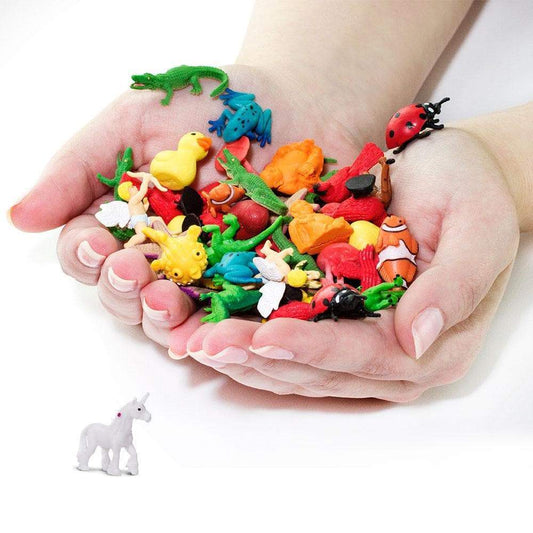
The defining fact about a bulk bag is uniformity rather than quantity: one species throughout, so every piece in your hand is the same animal in the same pose. That is what separates a bulk bag from a mixed tub of assorted plastic, and it is why the bag works as a counting set, a matching set, or a pile of identical favors that nobody has to divide fairly. Choose the species first and the quantity takes care of itself.
-
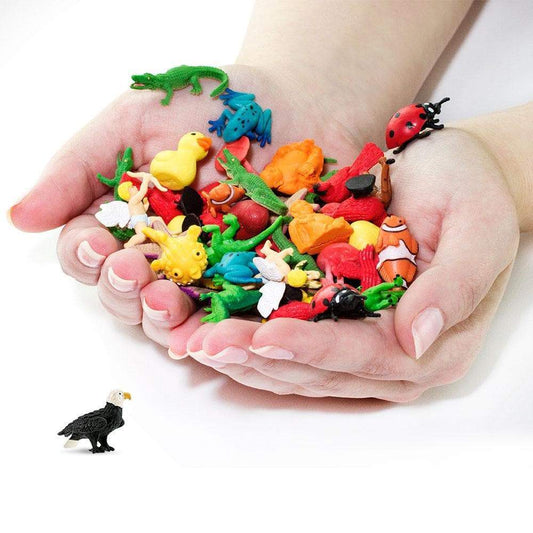
Bald Eagle Good Luck Minis 192 Piece Bulk Bag
Vendor:Safari LtdRegular price $233.95 USDRegular price -
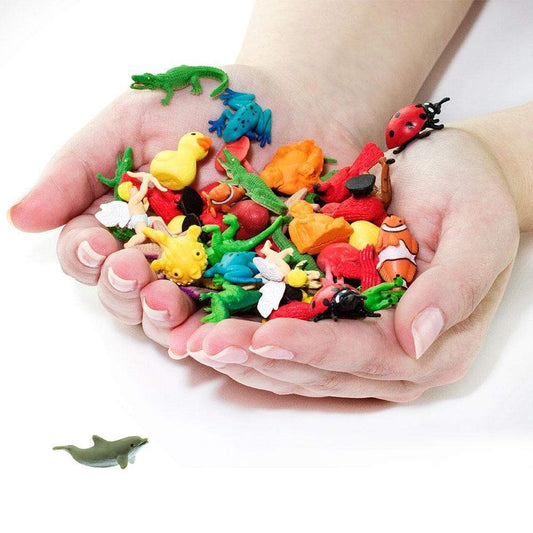
Dolphin Good Luck Minis 192 Piece Bulk Bag
Vendor:Safari LtdRegular price $233.95 USDRegular price -
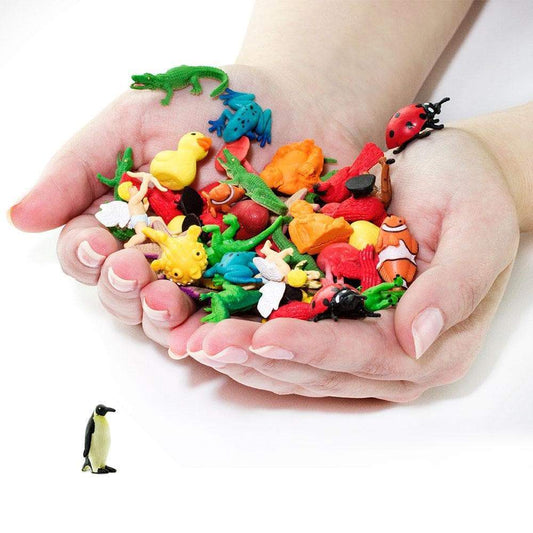
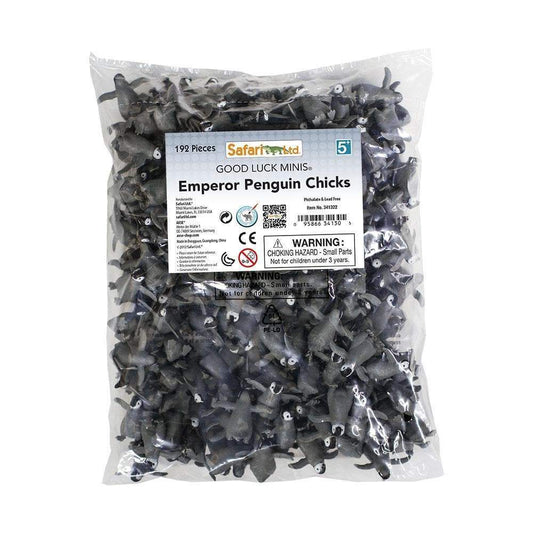
Emperor Penguin Good Luck Minis 192 Piece Bag
Vendor:Safari LtdRegular price $233.95 USDRegular price -
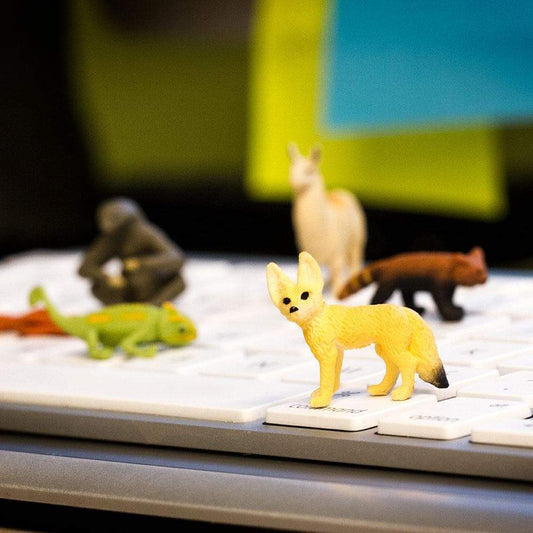
Fennec Fox Good Luck Minis 192 Piece Bulk Bag
Vendor:Safari LtdRegular price $233.95 USDRegular price -
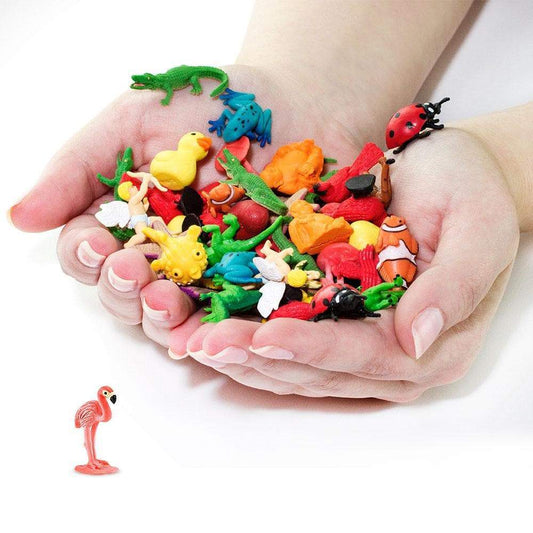
Flamingo Good Luck Minis 192 Piece Bulk Bag
Vendor:Safari LtdRegular price $233.95 USDRegular price -
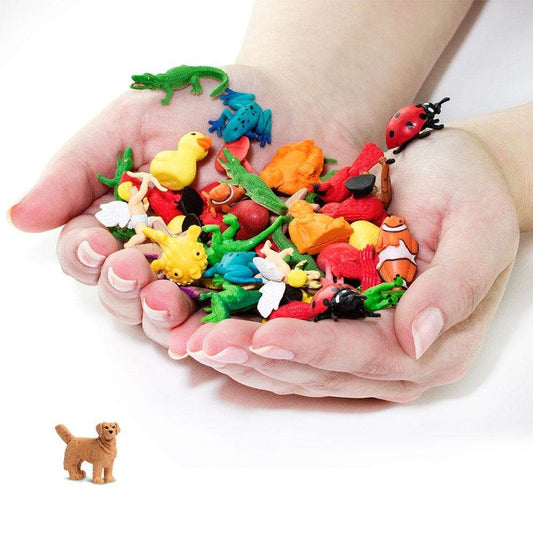
Golden Retriever Good Luck Minis 192 Piece Bag
Vendor:Safari LtdRegular price $233.95 USDRegular price -
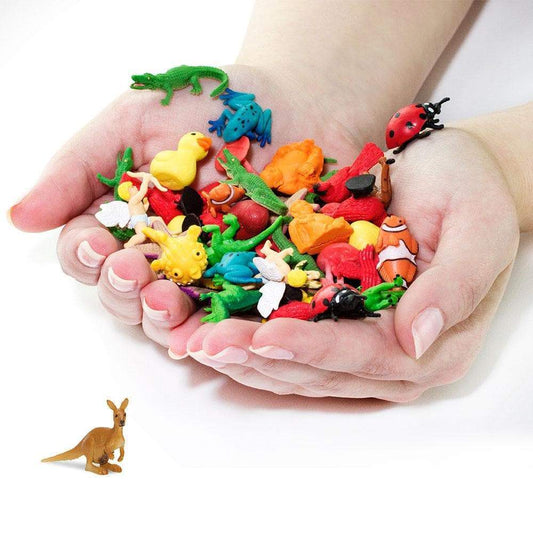
Kangaroo and Joey Good Luck Minis 192 Piece Bag
Vendor:Safari LtdRegular price $134.95 USDRegular price -
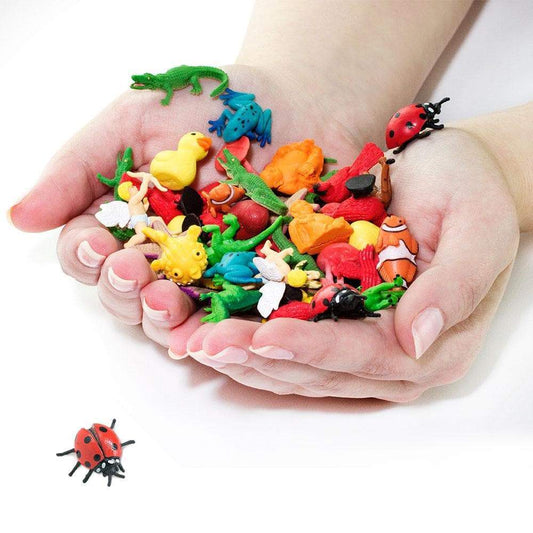
Ladybug Good Luck Minis 192 Piece Bulk Bag
Vendor:Safari LtdRegular price $233.95 USDRegular price -
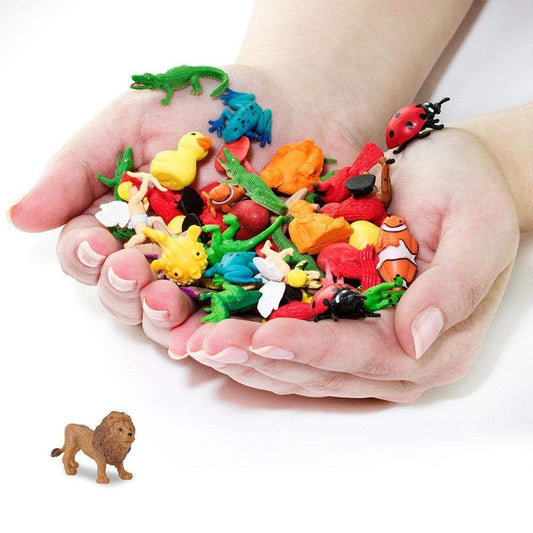
Lion Good Luck Minis 192 Piece Bulk Bag
Vendor:Safari LtdRegular price $233.95 USDRegular price -
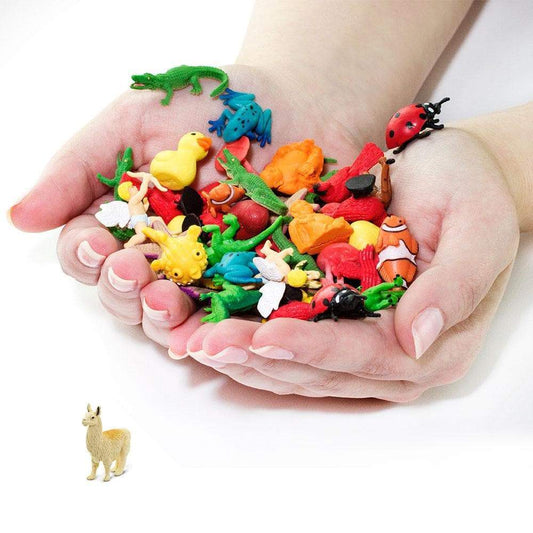
Llama Good Luck Minis 192 Piece Bulk Bag
Vendor:Safari LtdRegular price $233.95 USDRegular price -
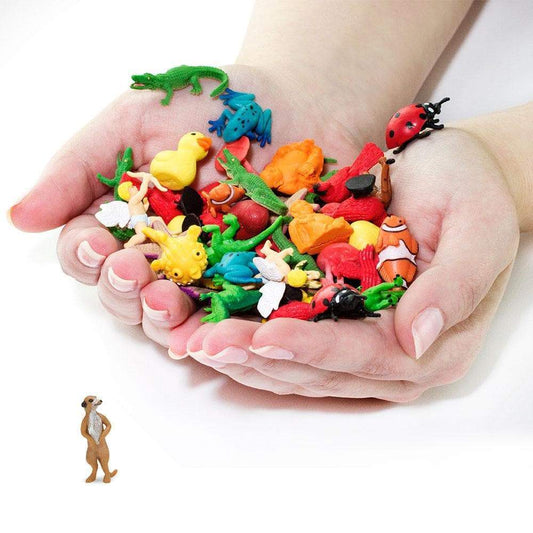
Meerkat Good Luck Minis 192 Piece Bulk Bag
Vendor:Safari LtdRegular price $233.95 USDRegular price -
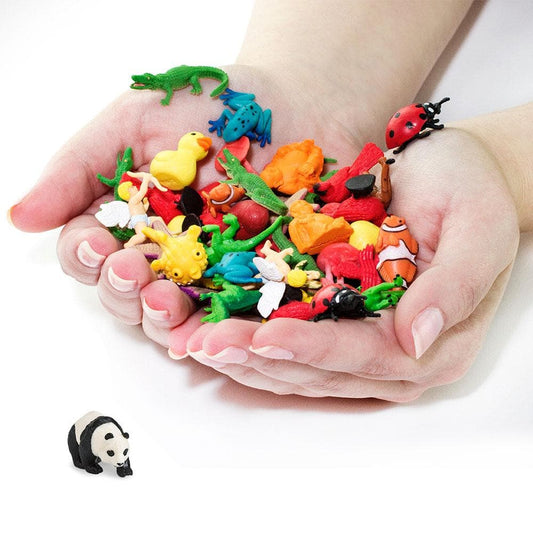
Panda Good Luck Minis 192 Piece Bulk Bag
Vendor:Safari LtdRegular price $233.95 USDRegular price -
Penguin Chick Good Luck Minis 192 Piece Bulk Bag
Vendor:Safari LtdRegular price $233.95 USDRegular price -
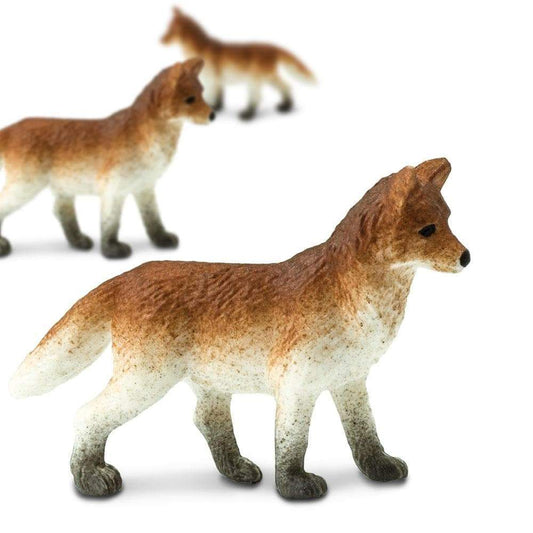
Red Fox Good Luck Minis 192 Piece Bulk Bag
Vendor:Safari LtdRegular price $233.95 USDRegular price -
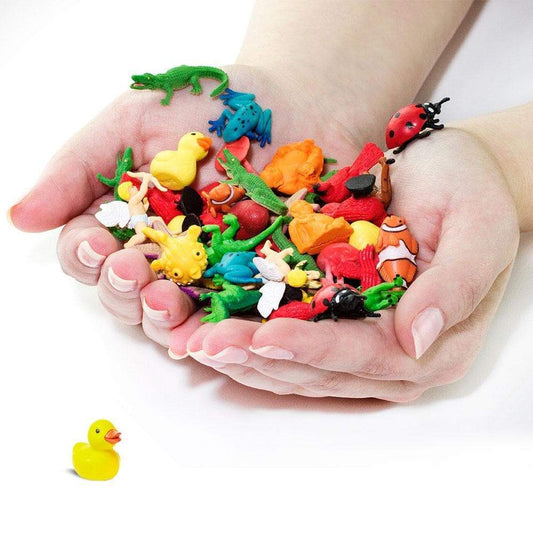
Rubber Duck Good Luck Minis 192 Piece Bulk Bag
Vendor:Safari LtdRegular price $233.95 USDRegular price -
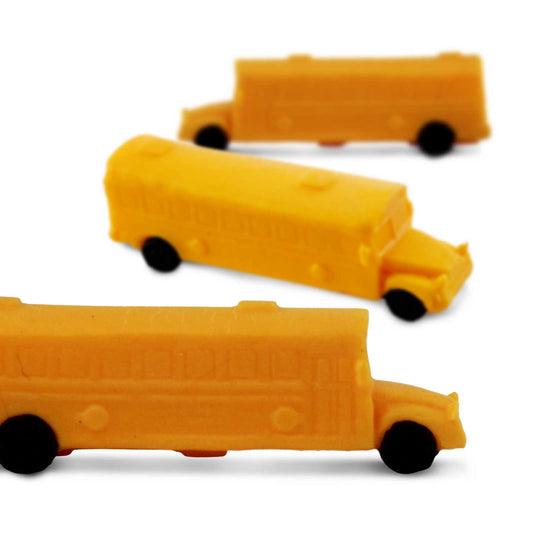
School Bus Good Luck Minis 192 Piece Bulk Bag
Vendor:Safari LtdRegular price $233.95 USDRegular price -
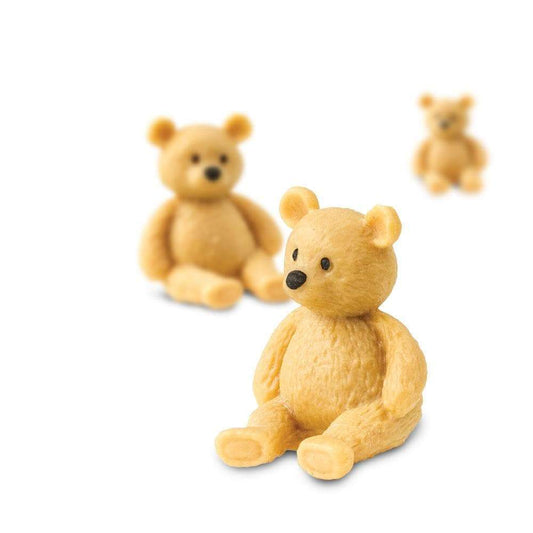
Teddy Bear Good Luck Minis 192 Piece Bulk Bag
Vendor:Safari LtdRegular price $233.95 USDRegular price -
Unicorn Good Luck Minis 192 Piece Bulk Bag
Vendor:Safari LtdRegular price $233.95 USDRegular price


















Guides for Toys
View all-

Sensory Bin Ideas for Toddlers: What Goes In the Bin
Every guide solves the filler. Rice, pasta, cloud dough. What almost none of them covers is the part that decides whether a bin holds a toddler: what you bury in...
Sensory Bin Ideas for Toddlers: What Goes In the Bin
Every guide solves the filler. Rice, pasta, cloud dough. What almost none of them covers is the part that decides whether a bin holds a toddler: what you bury in...
- More from the blog, not specific to this page.

Black Tie Optional for Women, Without the Outfit Panic
A long hem is only one clue. The detail that makes a midi work, and the fitting check worth doing before you decide, can change which outfit you choose.
Black Tie Optional for Women, Without the Outfit Panic
A long hem is only one clue. The detail that makes a midi work, and the fitting check worth doing before you decide, can change which outfit you choose.
- More from the blog, not specific to this page.

How to Measure Bracelet Size for a Comfortable Fit
Two bracelets labeled the same size can feel surprisingly different. Which measurement explains the difference, and what should you check before choosing yours?
How to Measure Bracelet Size for a Comfortable Fit
Two bracelets labeled the same size can feel surprisingly different. Which measurement explains the difference, and what should you check before choosing yours?
- More from the blog, not specific to this page.

How to Wear Platform Sneakers Without Looking Top-Heavy
Height without a heel, four hundred years old. The hem rule for jeans, the sock rule for dresses, platform against chunky, and the inch that keeps the walk.
How to Wear Platform Sneakers Without Looking Top-Heavy
Height without a heel, four hundred years old. The hem rule for jeans, the sock rule for dresses, platform against chunky, and the inch that keeps the walk.


