
The bottles on this page are built for evenings, and the reason that is a real category rather than a mood is physical. Evening rooms are warmer, fuller and closer than daytime ones, and warm skin in a warm room pushes a fragrance outward. Compositions made for that condition are assembled differently.
-
Floral Woody Musk Eau de Parfum for Women 50ml
Vendor:Chez PierreRegular price $62.95 USDRegular price -
French Eau de Parfum Bergamot Cumin Sandalwood 50ml
Vendor:Chez PierreRegular price $62.95 USDRegular price -
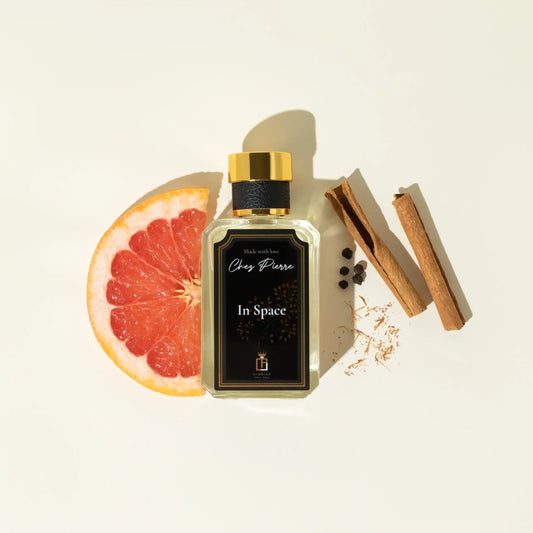
In Space Eau de Parfum for Men Spicy Woody 50ml
Vendor:Chez PierreRegular price $62.95 USDRegular price -
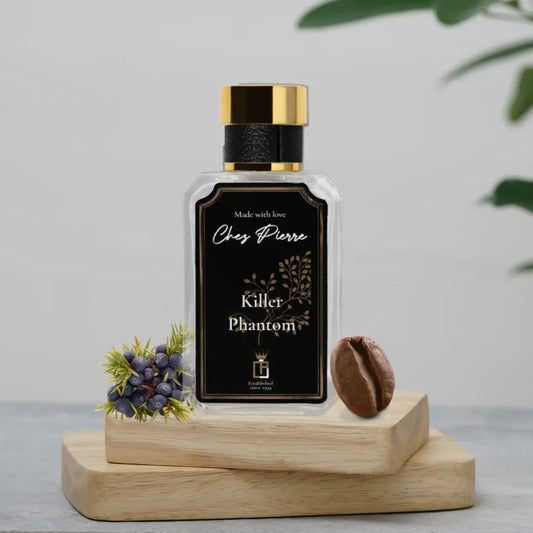
Killer Phantom Eau de Parfum for Men 50ml
Vendor:Chez PierreRegular price $62.95 USDRegular price -
Leather Spice Eau de Parfum Floral Woody 50ml
Vendor:Chez PierreRegular price $62.95 USDRegular price -
Men's Leather Saffron Oud Eau de Parfum 50ml
Vendor:Chez PierreRegular price $62.95 USDRegular price -
Men's Warm Spicy Vanilla Eau de Parfum 50ml
Vendor:Chez PierreRegular price $62.95 USDRegular price -
Oud Resin Eau de Parfum Smoky Spice 50ml
Vendor:Chez PierreRegular price $62.95 USDRegular price -
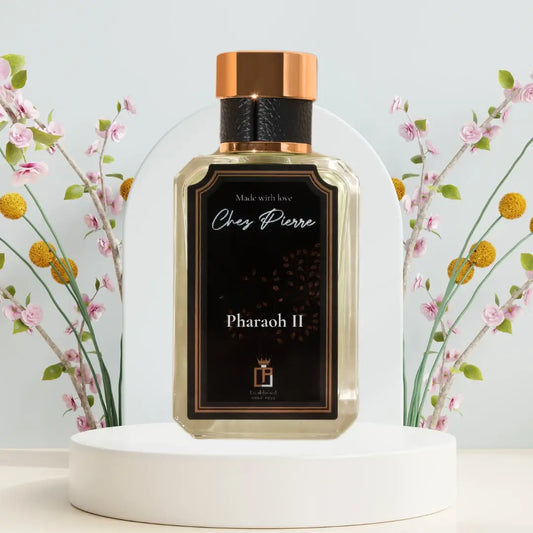
Pharaoh II Eau de Parfum Oud Sandalwood 50ml
Vendor:Chez PierreRegular price $62.95 USDRegular price -
Saffron Leather Eau de Parfum for Men 50ml
Vendor:Chez PierreRegular price $62.95 USDRegular price -
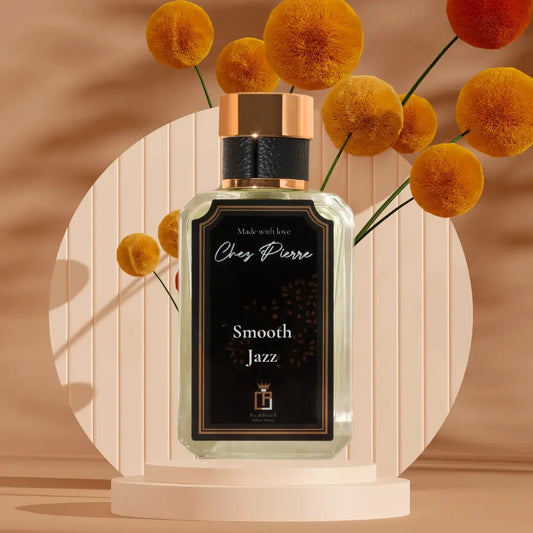
Smooth Jazz Eau de Parfum for Men Citrus Smoky 50ml
Vendor:Chez PierreRegular price $62.95 USDRegular price -
Sweet Tobacco Eau de Parfum Warm Citrus 50ml
Vendor:Chez PierreRegular price $62.95 USDRegular price -
Tobacco Vanilla Eau de Parfum for Men 50ml
Vendor:Chez PierreRegular price $62.95 USDRegular price -
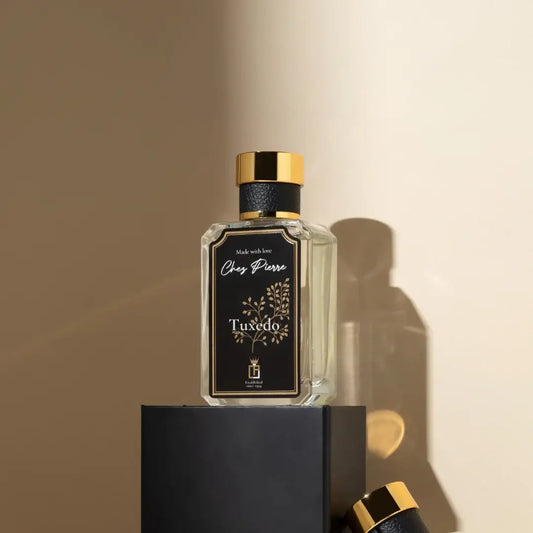
Tuxedo Eau de Parfum for Men Crisp Apple Bergamot 50ml
Vendor:Chez PierreRegular price $62.95 USDRegular price





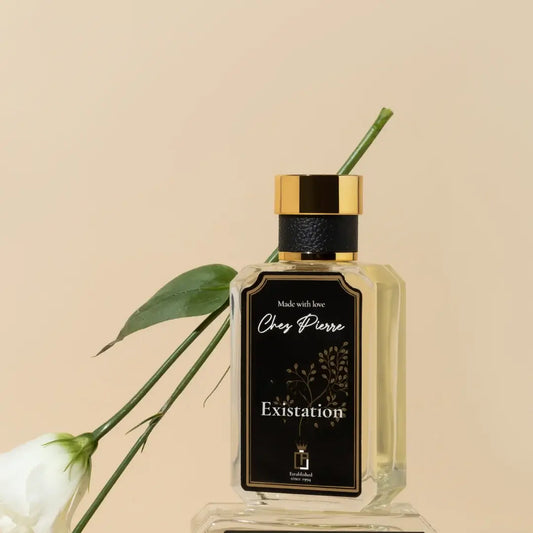

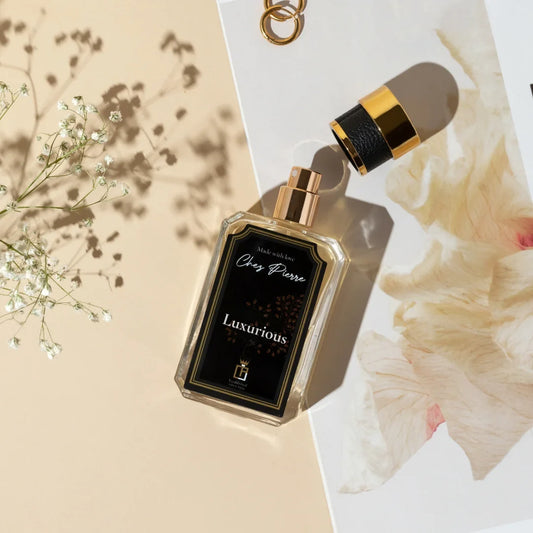

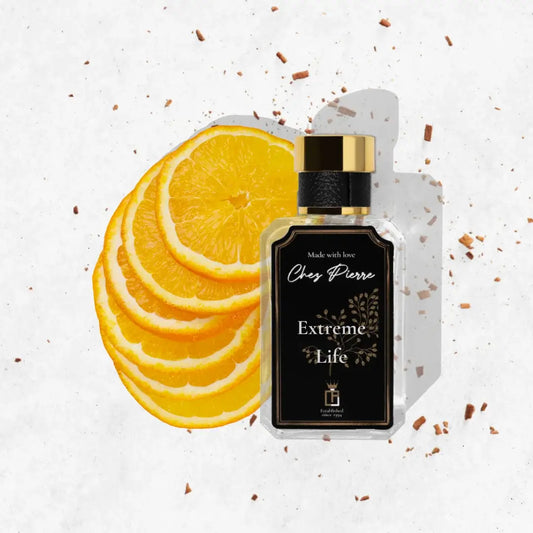

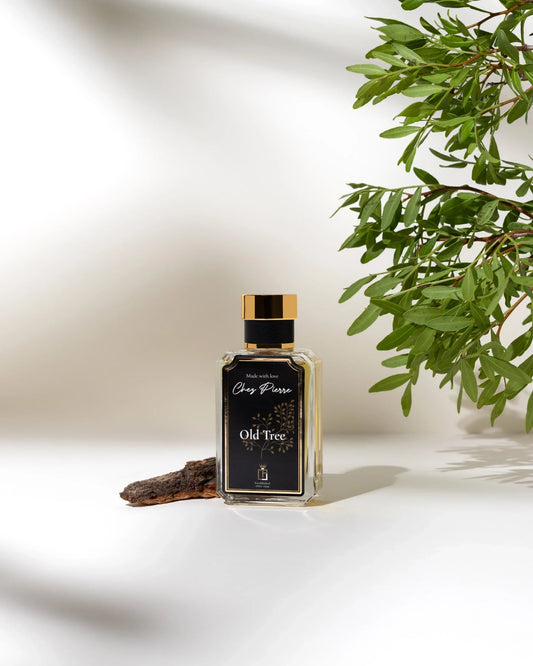






Guides for Beauty
View all-

How Long Should a Perfume Last?
Perfume that disappears within two hours is one of the most common fragrance frustrations, and it is almost always fixable. This guide breaks down every factor that affects how long...
How Long Should a Perfume Last?
Perfume that disappears within two hours is one of the most common fragrance frustrations, and it is almost always fixable. This guide breaks down every factor that affects how long...
-

What Fragrance Notes Actually Mean
Most people have seen fragrance note lists but few know what they actually mean in practice. This guide explains how top, heart and base notes work, what the most important...
What Fragrance Notes Actually Mean
Most people have seen fragrance note lists but few know what they actually mean in practice. This guide explains how top, heart and base notes work, what the most important...
-

How to Find Your Signature Scent
A signature scent is one of the few elements of personal style that operates below the level of conscious decision-making, leaving an impression before you have said a word. This...
How to Find Your Signature Scent
A signature scent is one of the few elements of personal style that operates below the level of conscious decision-making, leaving an impression before you have said a word. This...
-

Skin First, Makeup Second: Why Minimalist Beauty Is Winning
Minimalist beauty is not a trend. It is a reorientation, driven by a generation that has developed a sophisticated appetite for something more real. This guide makes the case for...
Skin First, Makeup Second: Why Minimalist Beauty Is Winning
Minimalist beauty is not a trend. It is a reorientation, driven by a generation that has developed a sophisticated appetite for something more real. This guide makes the case for...


