Coastal splits two ways here, and the split matters more than the theme does. Creatures are subjects that hold the eye, while shoreline objects such as starfish and sailboats spread out and behave like a texture. The group also steps outside printed fabric altogether, into a strung glass wind chime, which you hear as well as see.
-
Dolphin Doormat 24x36 Polyester Felt Non Slip
Vendor:Caroline's TreasuresRegular price $59.95 USDRegular price -
Manatee Pillow 18x18 Water Resistant Polyester
Vendor:Caroline's TreasuresRegular price $63.95 USDRegular price -
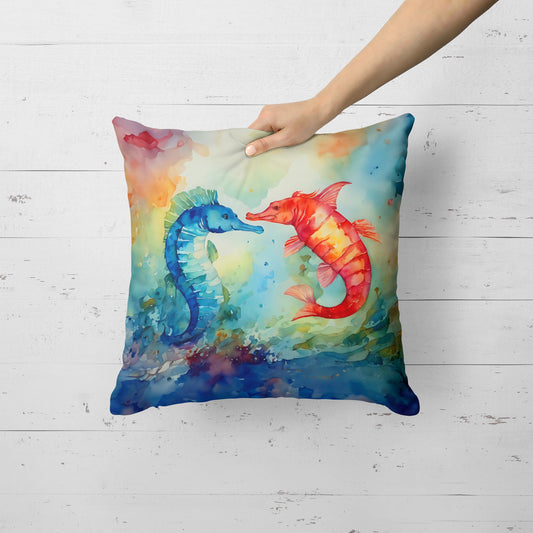
Seahorses Pillow 18x18 Water Resistant Polyester
Vendor:Caroline's TreasuresRegular price $63.95 USDRegular price -
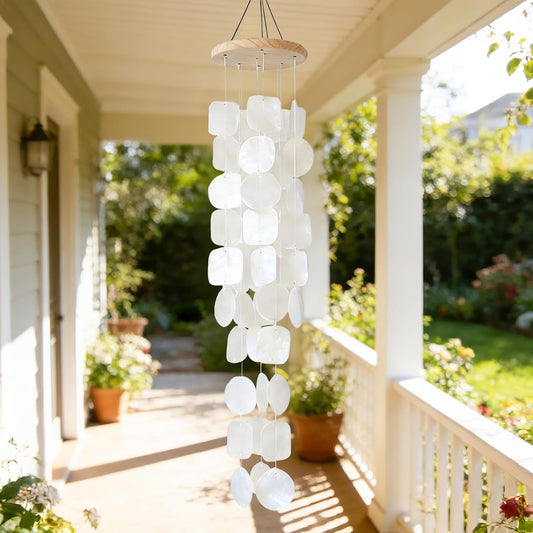
Seashell Glass Wind Chimes 26 Inch Coastal Decor
Vendor:Fashion Hut JewelryRegular price $48.95 USDRegular price -
Starfish and Sailboats Pillow 18x18 Water Resistant
Vendor:Caroline's TreasuresRegular price $63.95 USDRegular price -
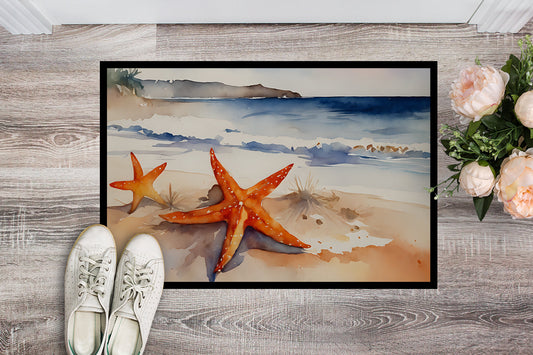
Two Starfish Doormat 24x36 Polyester Felt
Vendor:Caroline's TreasuresRegular price $59.95 USDRegular price -
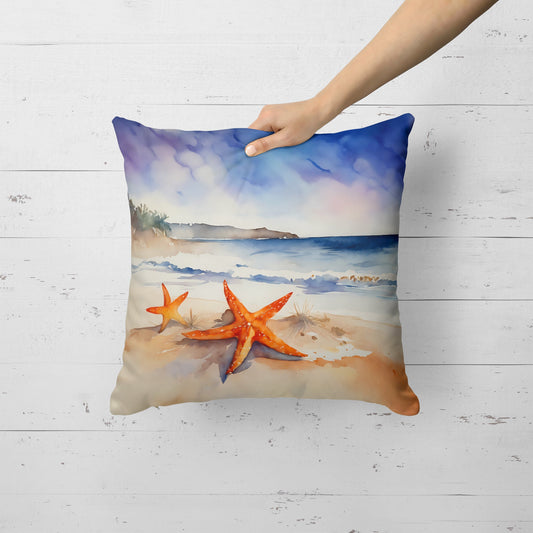
Two Starfish Pillow 14x14 Water Resistant
Vendor:Caroline's TreasuresRegular price $49.95 USDRegular price -
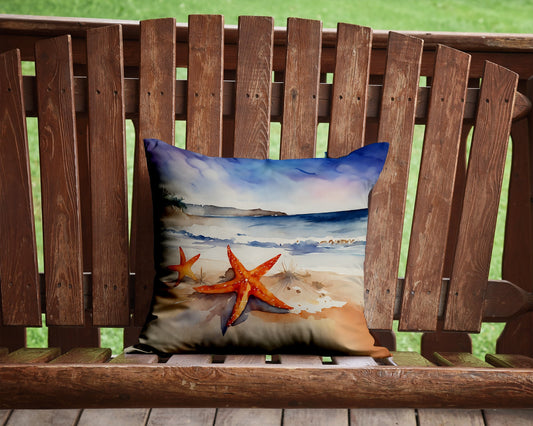
Two Starfish Pillow 18x18 Water Resistant
Vendor:Caroline's TreasuresRegular price $63.95 USDRegular price











Guides for Home & Decor
View all-

Throw Pillow Sizes That Leave Room to Sit
A pillow should earn its place when someone sits down. Compare square and lumbar shapes, check what comes in the package, and find a scale that works with your furniture.
Throw Pillow Sizes That Leave Room to Sit
A pillow should earn its place when someone sits down. Compare square and lumbar shapes, check what comes in the package, and find a scale that works with your furniture.
-

How to Set a Table for a Dinner Party
Every guide shows you where the fork goes. Almost none tells you what to own, which is the part that decides whether hosting feels calm or frantic.
How to Set a Table for a Dinner Party
Every guide shows you where the fork goes. Almost none tells you what to own, which is the part that decides whether hosting feels calm or frantic.
-

How to Refresh Your Living Space for the Season
Every room has a rhythm that drifts out of sync when the weather turns. Suddenly the space feels heavier or darker than it should, and the urge is to change...
How to Refresh Your Living Space for the Season
Every room has a rhythm that drifts out of sync when the weather turns. Suddenly the space feels heavier or darker than it should, and the urge is to change...
- More from the blog, not specific to this page.

How to Choose a Leather Desk Pad That Fits Your Desk
Measure the mouse sweep before the desk. Which size, why leather for a workday desk, what OSHA says about wrist rests, and a size chart that fits on a phone.
How to Choose a Leather Desk Pad That Fits Your Desk
Measure the mouse sweep before the desk. Which size, why leather for a workday desk, what OSHA says about wrist rests, and a size chart that fits on a phone.


