At 24 by 36 inches this is the size that gets both feet onto the mat before anyone reaches for the handle, which is the only reliable way a mat takes dirt off a shoe rather than sampling it. It is also the size most likely to catch under a door that opens inward. Measure the gap under the door before you measure the doorway, because that one number decides whether this mat can go where you want it.
-
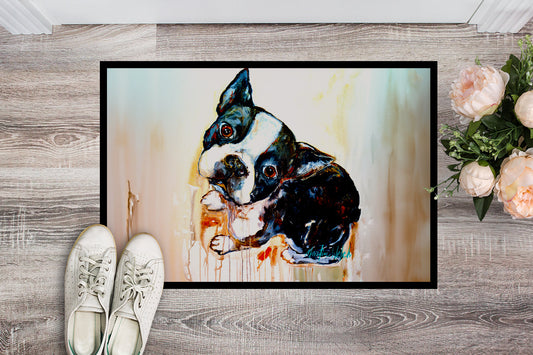
Boston Terrier Doormat 24x36 Polyester Felt
Vendor:Caroline's TreasuresRegular price $59.95 USDRegular price -
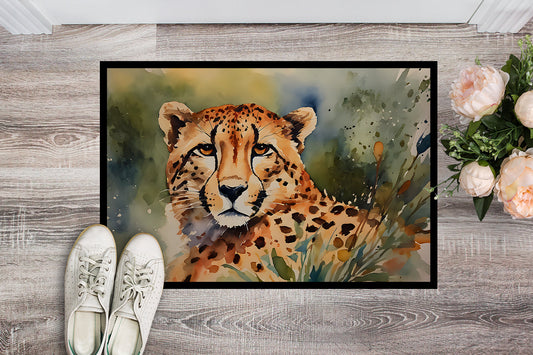
Cheetah Portrait Doormat 24x36 Polyester Felt
Vendor:Caroline's TreasuresRegular price $59.95 USDRegular price -
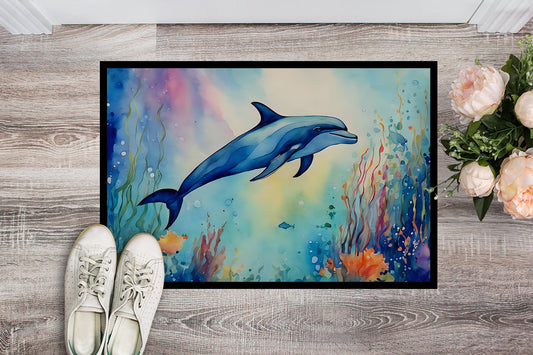
Dolphin Doormat 24x36 Polyester Felt Non Slip
Vendor:Caroline's TreasuresRegular price $59.95 USDRegular price -
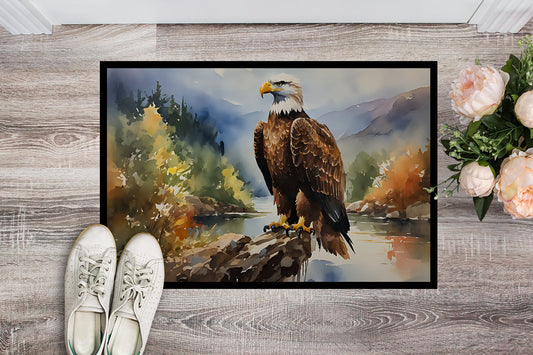
Eagle Doormat 24x36 Polyester Felt Rubber Base
Vendor:Caroline's TreasuresRegular price $59.95 USDRegular price -
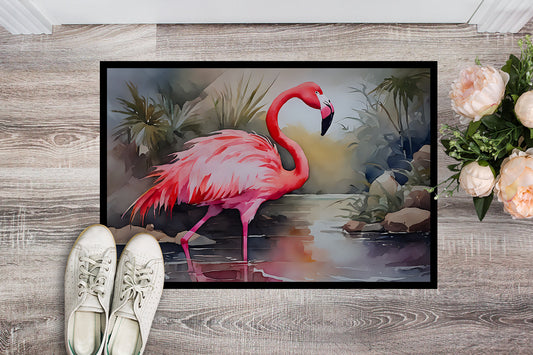
Flamingo Doormat 24x36 Polyester Felt Non Slip
Vendor:Caroline's TreasuresRegular price $59.95 USDRegular price -
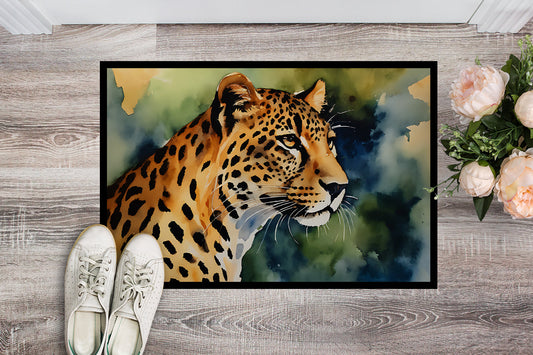
Leopard Doormat 24x36 Polyester Felt Non Slip
Vendor:Caroline's TreasuresRegular price $59.95 USDRegular price -
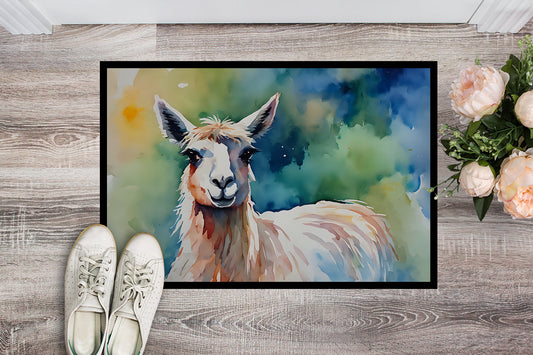
Llama Doormat 24x36 Polyester Felt Rubber Base
Vendor:Caroline's TreasuresRegular price $59.95 USDRegular price -
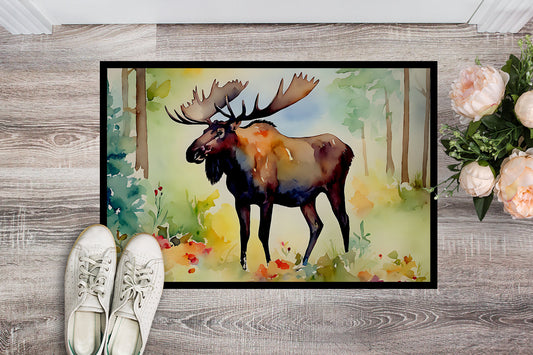
Moose Doormat 24x36 Polyester Felt Non Slip
Vendor:Caroline's TreasuresRegular price $59.95 USDRegular price -
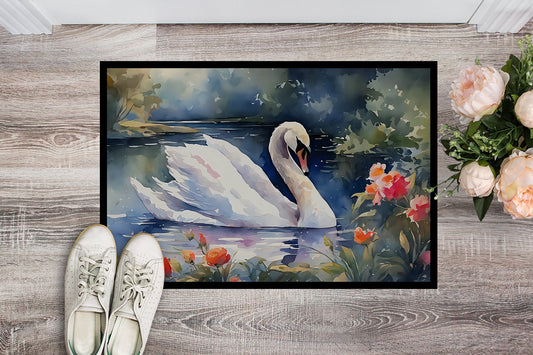
Swan Doormat 24x36 Polyester Felt Rubber Base
Vendor:Caroline's TreasuresRegular price $59.95 USDRegular price -
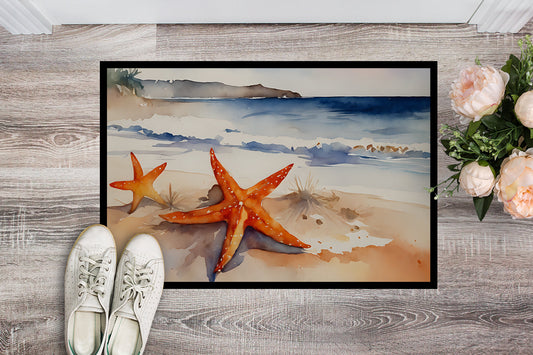
Two Starfish Doormat 24x36 Polyester Felt
Vendor:Caroline's TreasuresRegular price $59.95 USDRegular price -
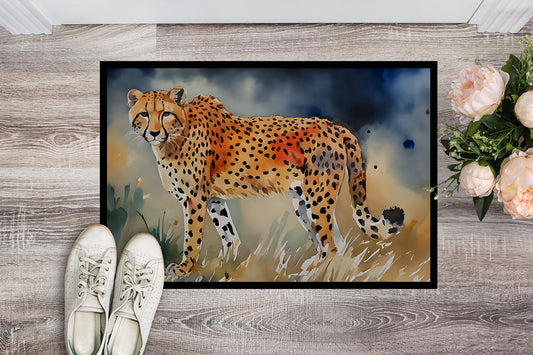
Walking Cheetah Doormat 24x36 Polyester Felt
Vendor:Caroline's TreasuresRegular price $59.95 USDRegular price -
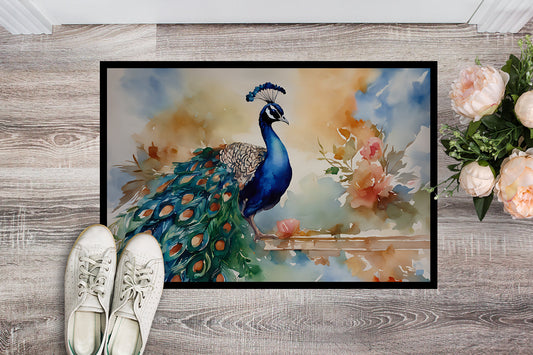
Watercolor Peacock Doormat 24x36 with Blossoms
Vendor:Caroline's TreasuresRegular price $59.95 USDRegular price












Guides for Home & Decor
View all-

How to Set a Table for a Dinner Party
Every guide shows you where the fork goes. Almost none tells you what to own, which is the part that decides whether hosting feels calm or frantic.
How to Set a Table for a Dinner Party
Every guide shows you where the fork goes. Almost none tells you what to own, which is the part that decides whether hosting feels calm or frantic.
-

How to Refresh Your Living Space for the Season
Every room has a rhythm that drifts out of sync when the weather turns. Suddenly the space feels heavier or darker than it should, and the urge is to change...
How to Refresh Your Living Space for the Season
Every room has a rhythm that drifts out of sync when the weather turns. Suddenly the space feels heavier or darker than it should, and the urge is to change...
- More from the blog, not specific to this page.

Black Tie Optional for Women, Without the Outfit Panic
A long hem is only one clue. The detail that makes a midi work, and the fitting check worth doing before you decide, can change which outfit you choose.
Black Tie Optional for Women, Without the Outfit Panic
A long hem is only one clue. The detail that makes a midi work, and the fitting check worth doing before you decide, can change which outfit you choose.
- More from the blog, not specific to this page.

How to Measure Bracelet Size for a Comfortable Fit
Two bracelets labeled the same size can feel surprisingly different. Which measurement explains the difference, and what should you check before choosing yours?
How to Measure Bracelet Size for a Comfortable Fit
Two bracelets labeled the same size can feel surprisingly different. Which measurement explains the difference, and what should you check before choosing yours?


