
Pullover sweaters for women pull on over your head with no buttons or ties down the front, which makes them the simplest and coziest shape a sweater comes in. Necklines run from close crewnecks and quarter-zip collars that open at the throat to wide boat and off-the-shoulder cuts, and the knits from light cap sleeve sweater tees to chunky patchwork and airy open crochet. Choose the neckline for how you like to wear it and the knit for the weather it has to meet.
-
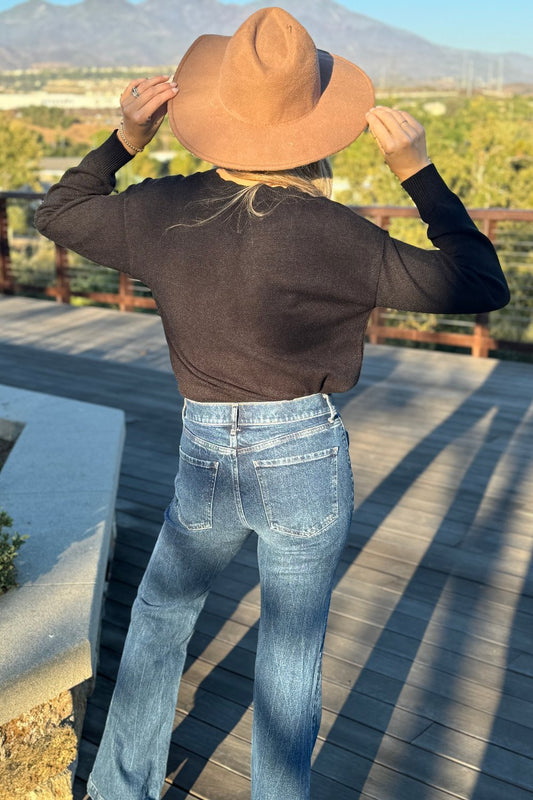
Women's Boo Halloween Sweater in Black
Vendor:Threaded PearRegular price $52.95 USDRegular price -
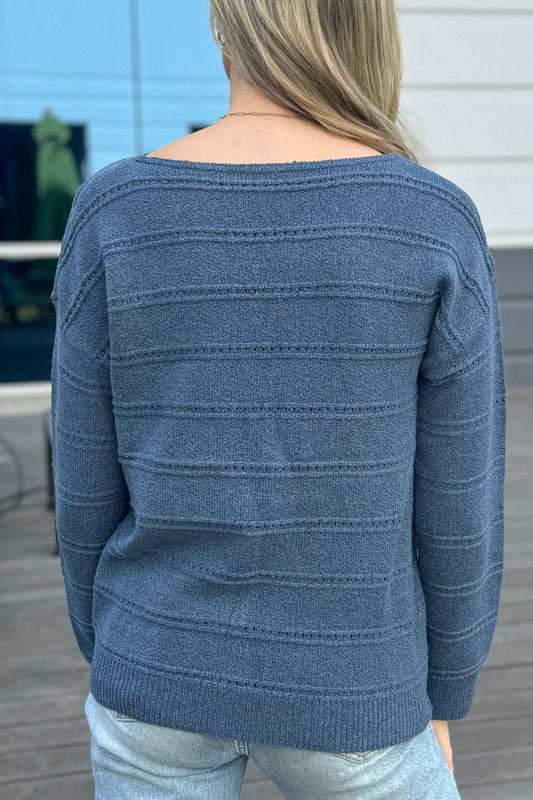
Women's Pointelle Knit Boat Neck Sweater in Denim Blue
Vendor:Threaded PearRegular price $50.95 USDRegular price -
Women's Scallop Stripe Balloon Sleeve Sweater in Pink and Orange
Vendor:Threaded PearRegular price $48.95 USDRegular price -
Women's Star Patch Color-Block Knit Top in Dark Blue
Vendor:Threaded PearRegular price $50.95 USDRegular price -
Women's Striped Color-Block Tunic Sweater in Navy and White
Vendor:Threaded PearRegular price $54.95 USDRegular price -
Women's Striped Drop Shoulder Sweater in Cream
Vendor:Threaded PearRegular price $48.95 USDRegular price -
Women's Cap Sleeve Sweater Tee with Side Slits
Vendor:Threaded PearRegular price $40.95 USDRegular price -
Women's Checkered Off-Shoulder Sweater in Tan and White
Vendor:Threaded PearRegular price $48.95 USDRegular price -
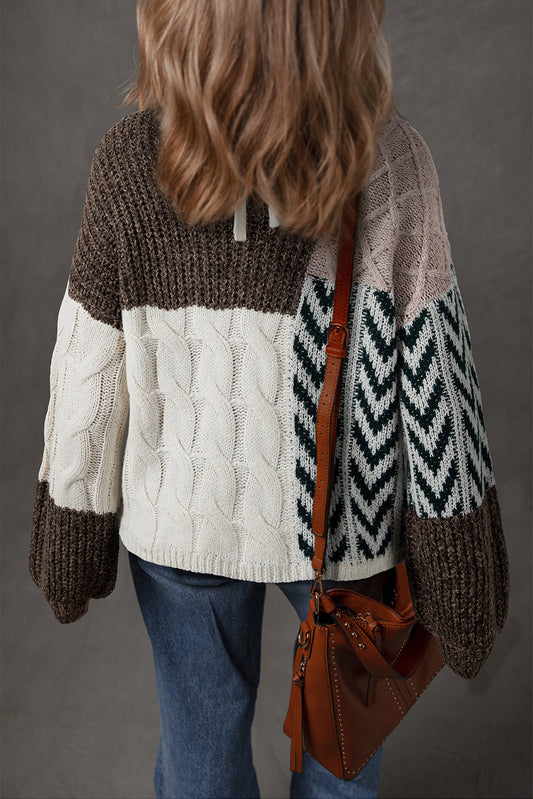
Women's Chunky Color-Block Knit Sweater in Brown and Cream
Vendor:Threaded PearRegular price $56.95 USDRegular price -
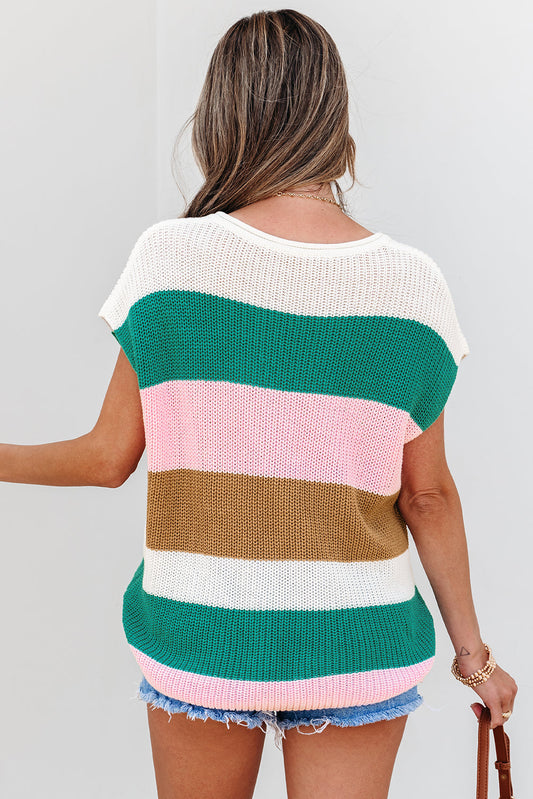
Women's Color-Block Striped Knit Top with Notched V-Neck
Vendor:Threaded PearRegular price $42.95 USDRegular price -
Women's Color-Block Striped Oversized Sweater in Pink and Mauve
Vendor:Threaded PearRegular price $56.95 USDRegular price -
Women's Crochet Open-Knit Pullover Sweater
Vendor:Threaded PearRegular price $44.95 USDRegular price -
Women's Multicolor Striped Crewneck Sweater in Cream
Vendor:Threaded PearRegular price $52.95 USDRegular price -
Women's Star Pattern Crewneck Sweater
Vendor:Threaded PearRegular price $46.95 USDRegular price -
Women's Striped Quarter-Zip Oversized Sweater in Black and Camel
Vendor:Threaded PearRegular price $56.95 USDRegular price -
Women's Tinsel Merry Christmas Sweater in Red
Vendor:Threaded PearRegular price $52.95 USDRegular price







Guides for Apparel
View all-

How to Build a Capsule Wardrobe That Works
A packed closet and nothing to wear is a coherence problem, not a shortage one. A capsule wardrobe fixes it with a smaller set of pieces that all work together,...
How to Build a Capsule Wardrobe That Works
A packed closet and nothing to wear is a coherence problem, not a shortage one. A capsule wardrobe fixes it with a smaller set of pieces that all work together,...
-

Guide to Everyday Clothing That Balances Style, Comfort, and Longevity
Modern apparel is about versatility, comfort, and longevity. This guide explores how everyday clothing can support personal style, adapt to modern lifestyles, and deliver long term value without relying on...
Guide to Everyday Clothing That Balances Style, Comfort, and Longevity
Modern apparel is about versatility, comfort, and longevity. This guide explores how everyday clothing can support personal style, adapt to modern lifestyles, and deliver long term value without relying on...
- More from the blog, not specific to this page.

Reading a Dog Sweater Size Chart Starts at the Ribcage
Two dogs can weigh the same and still be inches apart around the ribs, which is why a scale makes a poor tailor. A soft tape and three minutes tell...
Reading a Dog Sweater Size Chart Starts at the Ribcage
Two dogs can weigh the same and still be inches apart around the ribs, which is why a scale makes a poor tailor. A soft tape and three minutes tell...
- More from the blog, not specific to this page.

How to Remove Gel Nail Polish at Home Without Peeling
A lifted corner is not an invitation to pull. The acetone soak, a wrap-time table for each gel type and a calm week of cuticle care keep the nail you...
How to Remove Gel Nail Polish at Home Without Peeling
A lifted corner is not an invitation to pull. The acetone soak, a wrap-time table for each gel type and a calm week of cuticle care keep the nail you...


