
Every other measurement on a jacket can be adjusted; the shoulder cannot, or at least not for a price anyone wants to pay. That single fact should drive the purchase: find the jacket whose shoulder seam lands where your shoulder ends, then judge the sleeve, the waist and the length, all of which a tailor can move. The range here runs from structured blazers through cropped and oversize cuts to knit and quilted styles, and the rule holds across all of those cuts.
-
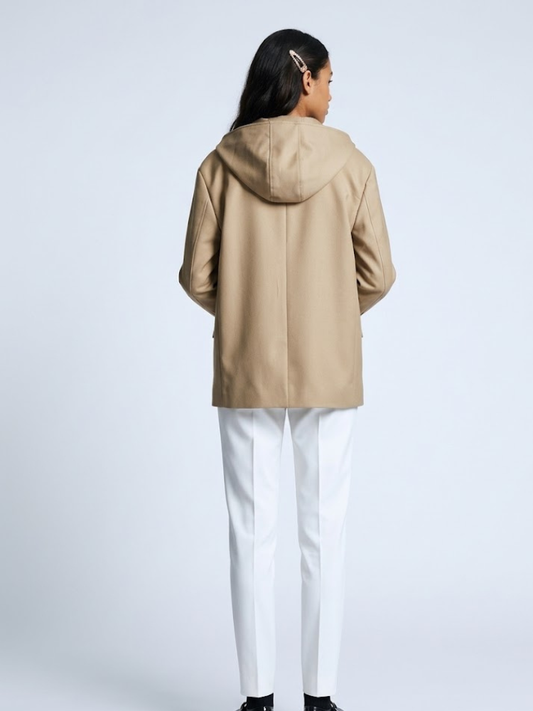
Hooded Tailored Blazer Camel Brown
Vendor:BYMANYC ® New YorkRegular price $348.95 USDRegular price -
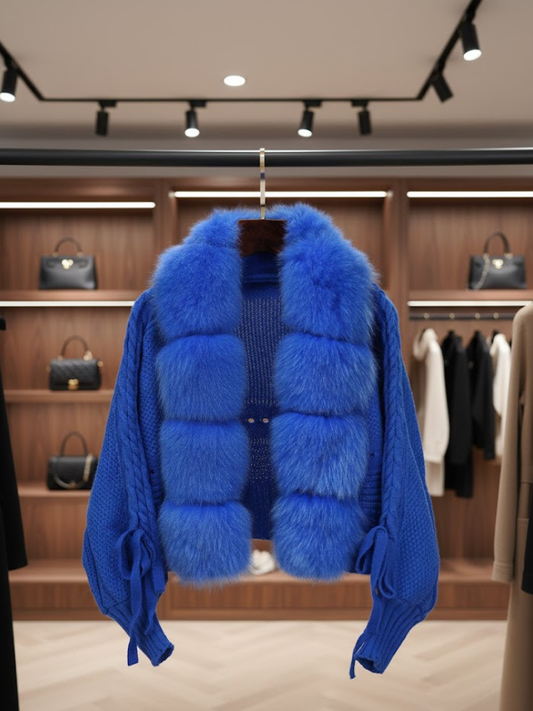
Plush Knit Jacket Electric Blue Faux Fur
Vendor:BYMANYC ® New YorkRegular price $491.95 USDRegular price -
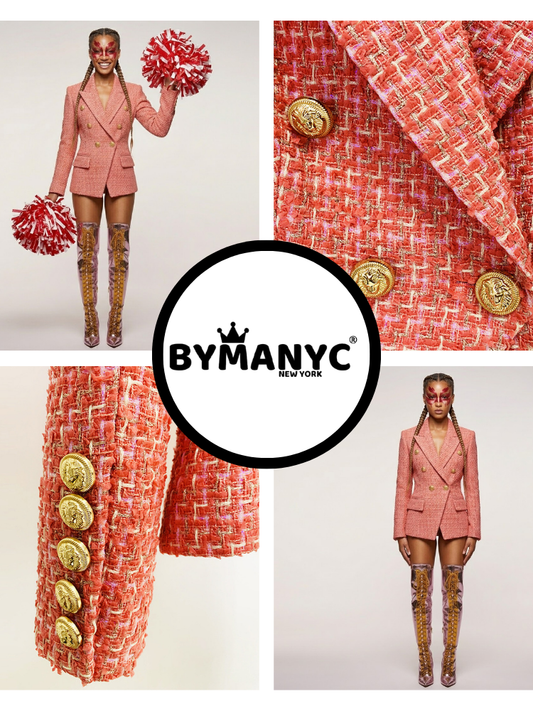
Tweed Double-Breasted Blazer Coral Cream
Vendor:BYMANYC ® New YorkRegular price $400.95 USDRegular price -
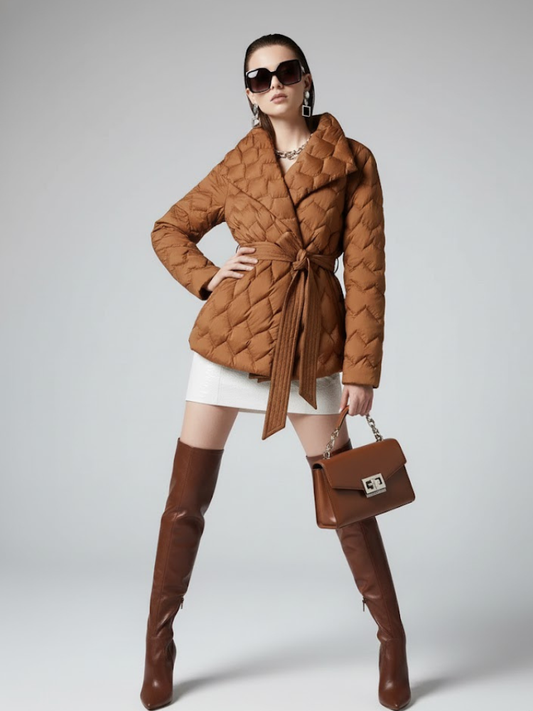
Women's Belted Puffer Jacket Tobacco Diamond Quilt
Vendor:BYMANYC ® New YorkRegular price $400.95 USDRegular price -
Women's Black Blazer with Side Ruffle Bow
Vendor:Gracia FashionRegular price $299.95 USDRegular price -
Women's Black Cropped Utility Jacket with High Neck
Vendor:Gracia FashionRegular price $273.95 USDRegular price -
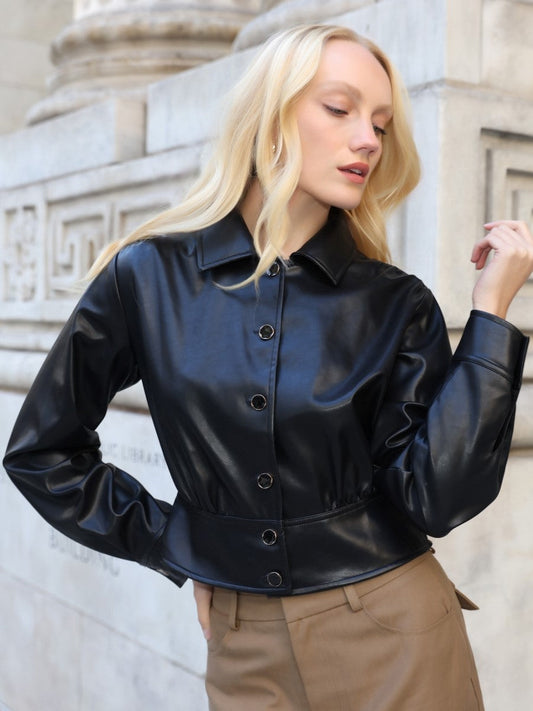
Women's Black Faux Leather Cropped Jacket with Collar
Vendor:Gracia FashionRegular price $273.95 USDRegular price -
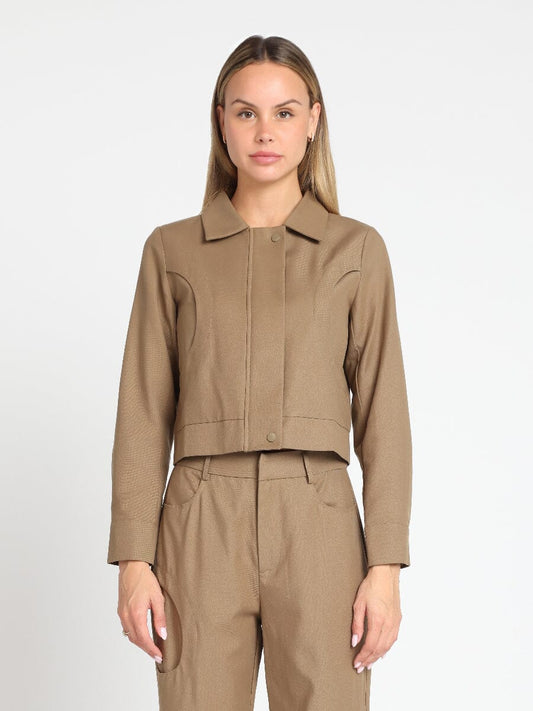
Women's Brown Cropped Jacket with Collar and Curved Seams
Vendor:Gracia FashionRegular price $263.95 USDRegular price -
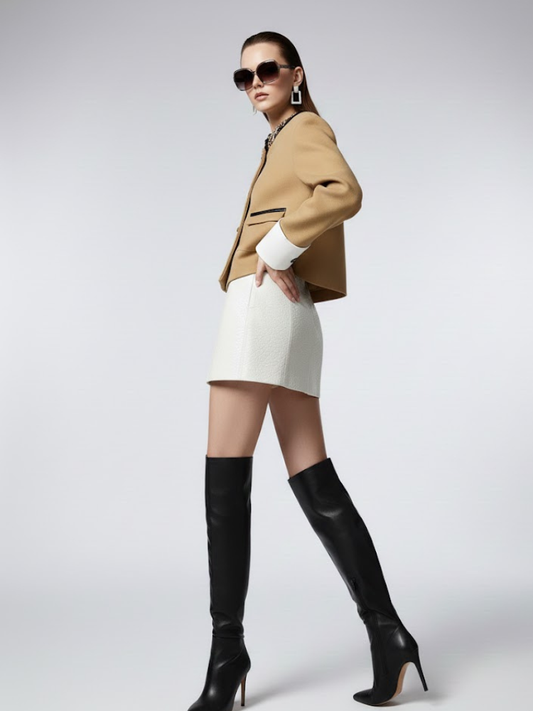
Women's Cropped Jacket in Camel with Black and White Cuffs
Vendor:BYMANYC ® New YorkRegular price $387.95 USDRegular price -
Women's Double-Breasted Knit Jacket in Lime
Vendor:BYMANYC ® New YorkRegular price $322.95 USDRegular price -
Women's High-Gloss Double-Breasted Blazer with Gold Buttons
Vendor:BYMANYC ® New YorkRegular price $465.95 USDRegular price -
Women's Oversize Jacket in Metallic Silver Gray
Vendor:BYMANYC ® New YorkRegular price $413.95 USDRegular price -
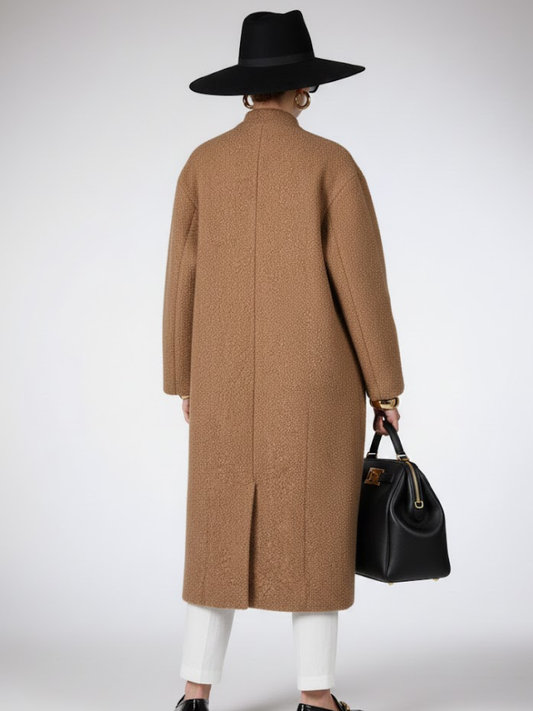
Women's Oversize Longline Jacket in Camel
Vendor:BYMANYC ® New YorkRegular price $504.95 USDRegular price -
Women's Oversize Short Jacket in Bright Green
Vendor:BYMANYC ® New YorkRegular price $659.95 USDRegular price -
Women's Short Asymmetric Jacket in White Vegan Leather
Vendor:BYMANYC ® New YorkRegular price $361.95 USDRegular price -
Women's Cropped Two-Tone Denim Jacket in Blue
Vendor:Threaded PearRegular price $64.95 USDRegular price -
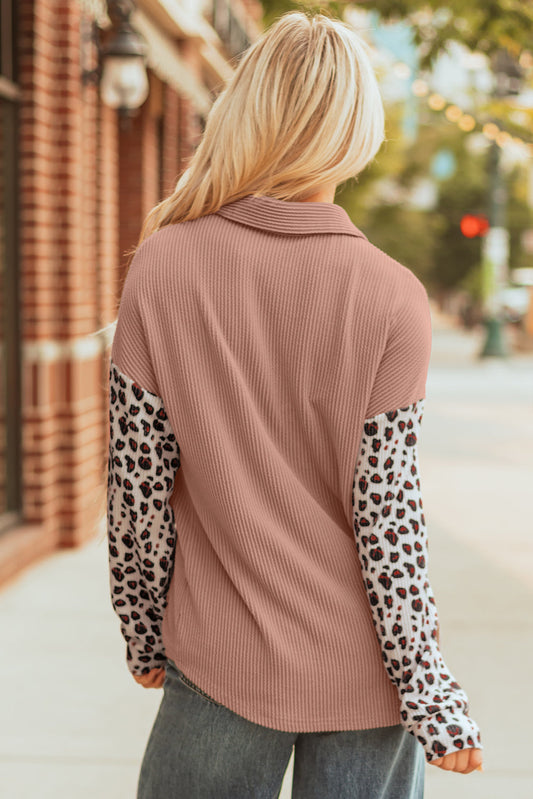
Women's Ribbed Shacket with Leopard Sleeves in Mauve
Vendor:Threaded PearRegular price $52.95 USDRegular price





















Guides for Apparel
View all-

How to Style a Cropped Jacket So Your Legs Look Longer
Where a short jacket stops decides everything. Match its hem to a high waistband and your legs suddenly look a mile long, whether you wear jeans or a midi dress.
How to Style a Cropped Jacket So Your Legs Look Longer
Where a short jacket stops decides everything. Match its hem to a high waistband and your legs suddenly look a mile long, whether you wear jeans or a midi dress.
-

How to Build a Capsule Wardrobe That Works
A packed closet and nothing to wear is a coherence problem, not a shortage one. A capsule wardrobe fixes it with a smaller set of pieces that all work together,...
How to Build a Capsule Wardrobe That Works
A packed closet and nothing to wear is a coherence problem, not a shortage one. A capsule wardrobe fixes it with a smaller set of pieces that all work together,...
-

Guide to Everyday Clothing That Balances Style, Comfort, and Longevity
Modern apparel is about versatility, comfort, and longevity. This guide explores how everyday clothing can support personal style, adapt to modern lifestyles, and deliver long term value without relying on...
Guide to Everyday Clothing That Balances Style, Comfort, and Longevity
Modern apparel is about versatility, comfort, and longevity. This guide explores how everyday clothing can support personal style, adapt to modern lifestyles, and deliver long term value without relying on...
- More from the blog, not specific to this page.

How to Remove Gel Nail Polish at Home Without Peeling
A lifted corner is not an invitation to pull. The acetone soak, a wrap-time table for each gel type and a calm week of cuticle care keep the nail you...
How to Remove Gel Nail Polish at Home Without Peeling
A lifted corner is not an invitation to pull. The acetone soak, a wrap-time table for each gel type and a calm week of cuticle care keep the nail you...


