
A coat is defined by what it has to fit over rather than by how it fits you, which is what separates it from a jacket in every practical sense. That means sizing with the bulkiest thing you will wear underneath already on, checking that the shoulders sit clear of a blazer's shoulders, and choosing a length that covers the hem of whatever it is protecting. The range here runs from belted trench shapes through long silhouettes to vegan leather and ruffled evening styles, and the layering question decides between them before style ever does.
-
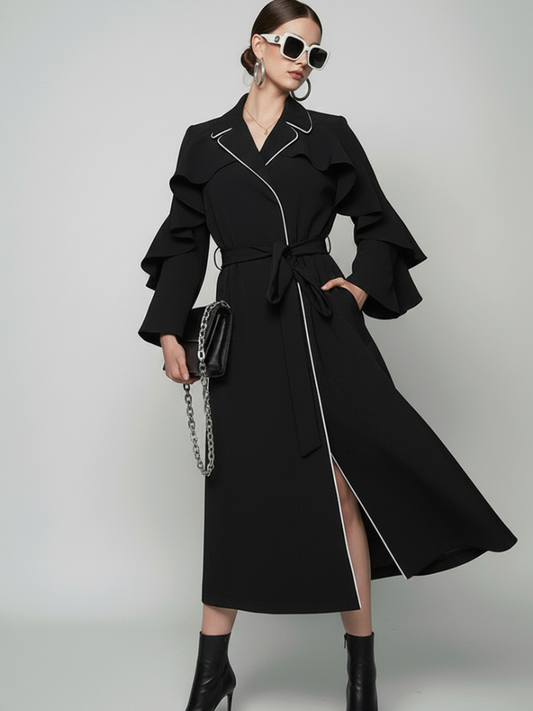
Ruffle Long Coat with Contrast Piping
Vendor:BYMANYC ® New YorkRegular price $387.95 USDRegular price -
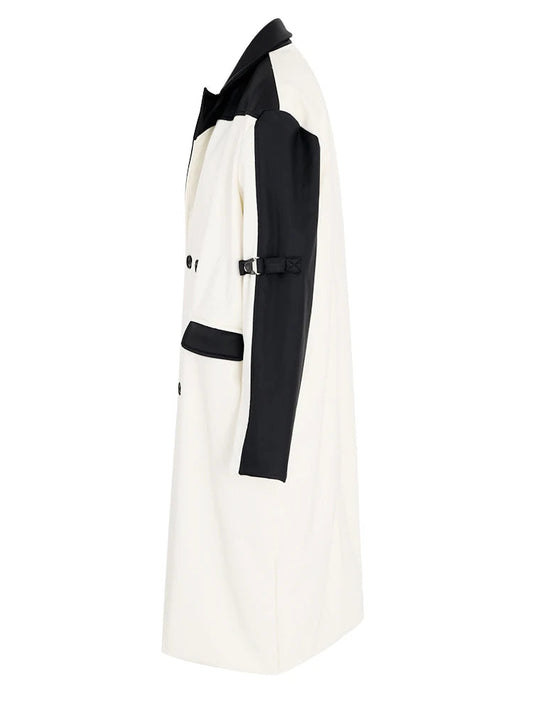
Women's Faux Leather Color-Splicing Trench Coat
Vendor:BYMANYC ® New YorkRegular price $322.95 USDRegular price -
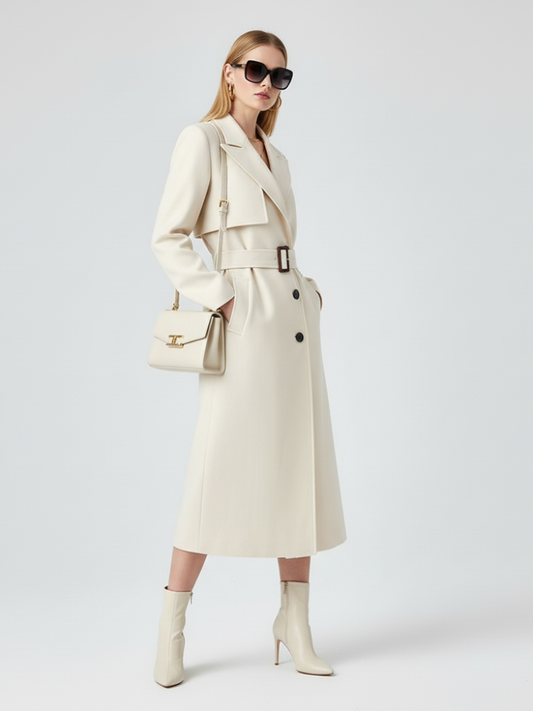
Women's Maxi Trench Coat in Cream with Belted Waist
Vendor:BYMANYC ® New YorkRegular price $482.95 USDRegular price -
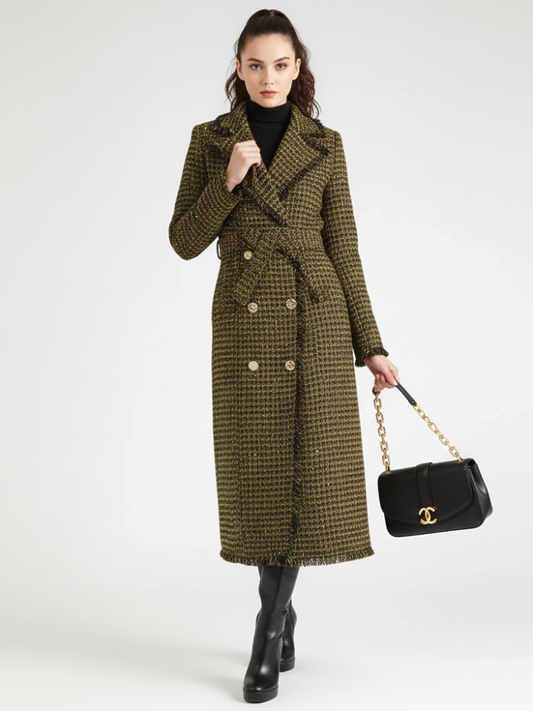
Women's Plaid Trench Coat Golden Olive Frayed Hem
Vendor:BYMANYC ® New YorkRegular price From $385.95 USDRegular price -
Women's Longline Asymmetric Coat in White Vegan Leather
Vendor:BYMANYC ® New YorkRegular price $347.95 USDRegular price -
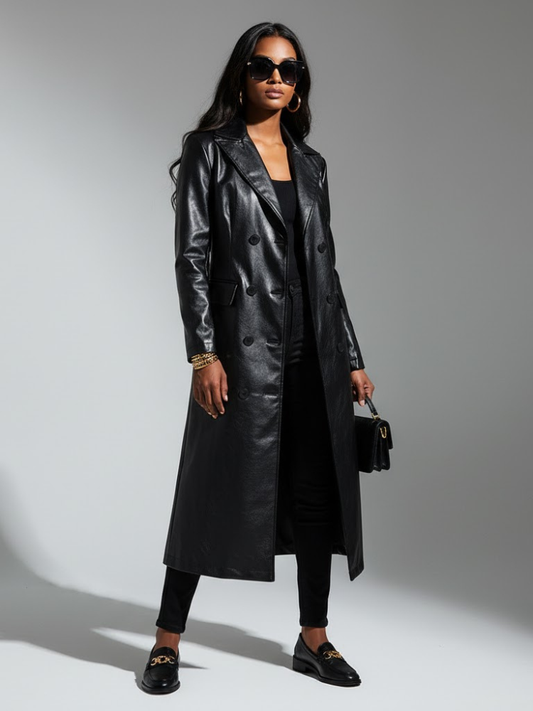
Women's Vegan Leather Maxi Trench Coat Black
Vendor:BYMANYC ® New YorkRegular price $374.95 USDRegular price






Guides for Apparel
View all-

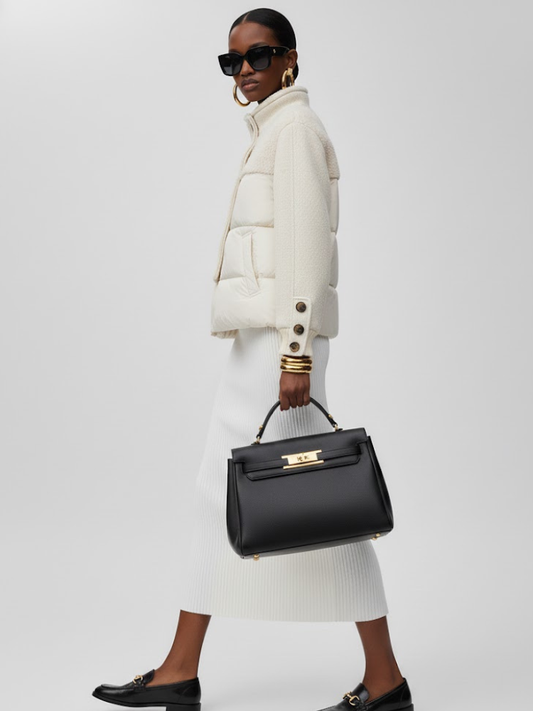
How to Style a Cropped Jacket So Your Legs Look Longer
Where a short jacket stops decides everything. Match its hem to a high waistband and your legs suddenly look a mile long, whether you wear jeans or a midi dress.
How to Style a Cropped Jacket So Your Legs Look Longer
Where a short jacket stops decides everything. Match its hem to a high waistband and your legs suddenly look a mile long, whether you wear jeans or a midi dress.
-

How to Build a Capsule Wardrobe That Works
A packed closet and nothing to wear is a coherence problem, not a shortage one. A capsule wardrobe fixes it with a smaller set of pieces that all work together,...
How to Build a Capsule Wardrobe That Works
A packed closet and nothing to wear is a coherence problem, not a shortage one. A capsule wardrobe fixes it with a smaller set of pieces that all work together,...
-

Guide to Everyday Clothing That Balances Style, Comfort, and Longevity
Modern apparel is about versatility, comfort, and longevity. This guide explores how everyday clothing can support personal style, adapt to modern lifestyles, and deliver long term value without relying on...
Guide to Everyday Clothing That Balances Style, Comfort, and Longevity
Modern apparel is about versatility, comfort, and longevity. This guide explores how everyday clothing can support personal style, adapt to modern lifestyles, and deliver long term value without relying on...
- More from the blog, not specific to this page.

How to Remove Gel Nail Polish at Home Without Peeling
A lifted corner is not an invitation to pull. The acetone soak, a wrap-time table for each gel type and a calm week of cuticle care keep the nail you...
How to Remove Gel Nail Polish at Home Without Peeling
A lifted corner is not an invitation to pull. The acetone soak, a wrap-time table for each gel type and a calm week of cuticle care keep the nail you...


