
Strip a garment down to two shoulder straps and a body and there is nothing left to carry a design except the print itself. No collar, no cuffs, no placket, no buttons; the artwork is the entire visual content of the piece. That makes placement the thing to look at before anything else, because on a tank a print that sits two inches too low or too wide changes the garment completely.
-
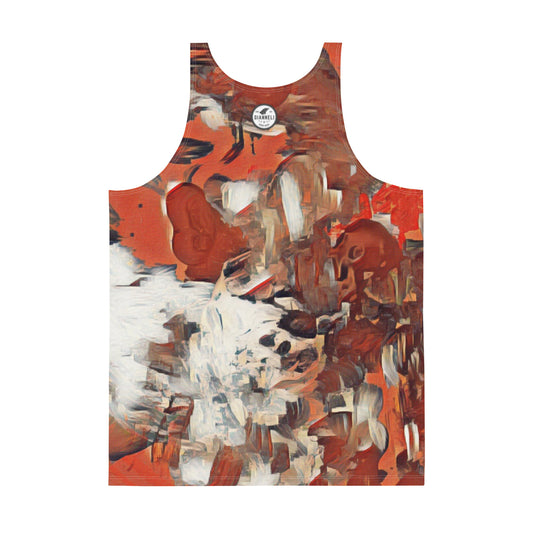
Anadysis Unisex Stretch Tank Top
Vendor:Good Doer by GianneliRegular price $103.95 USDRegular price -
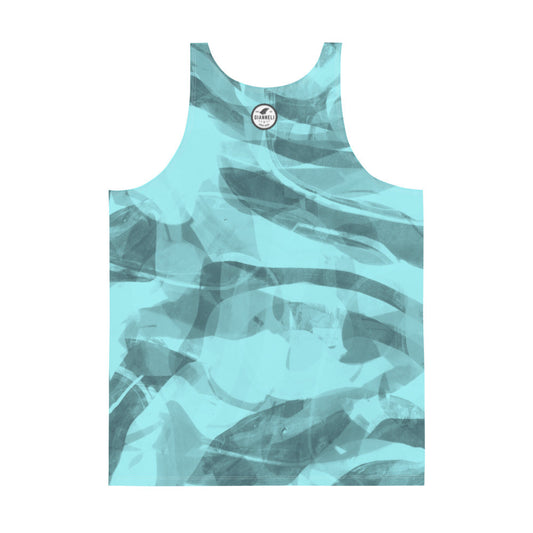
Astypalaia Unisex Tank Top
Vendor:Good Doer by GianneliRegular price $86.95 USDRegular price -
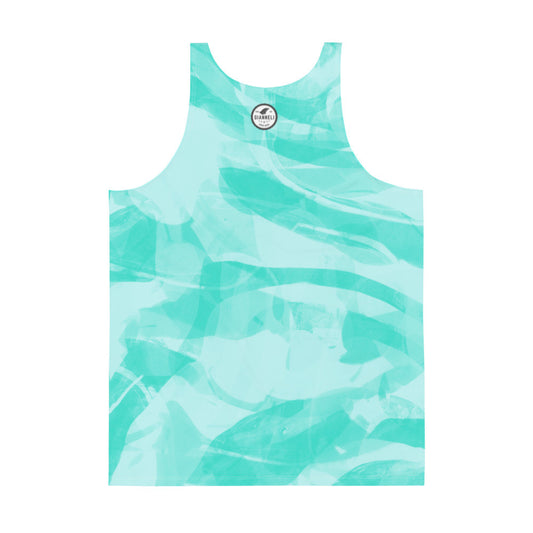
Erikousa Unisex Tank Top
Vendor:Good Doer by GianneliRegular price $86.95 USDRegular price -
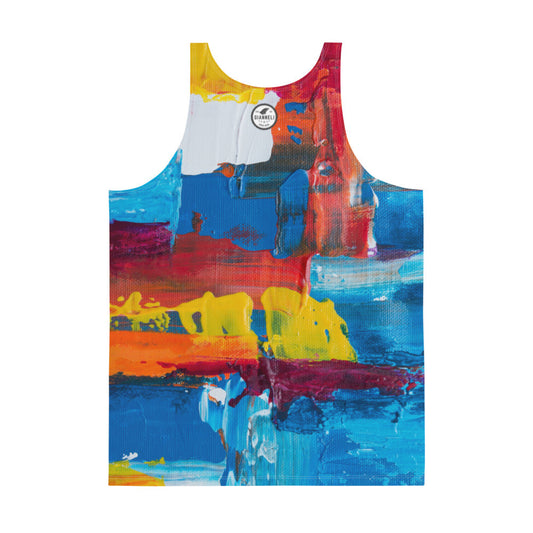
Gianneli Colours Blue and Red Unisex Tank Top
Vendor:Good Doer by GianneliRegular price $85.95 USDRegular price -
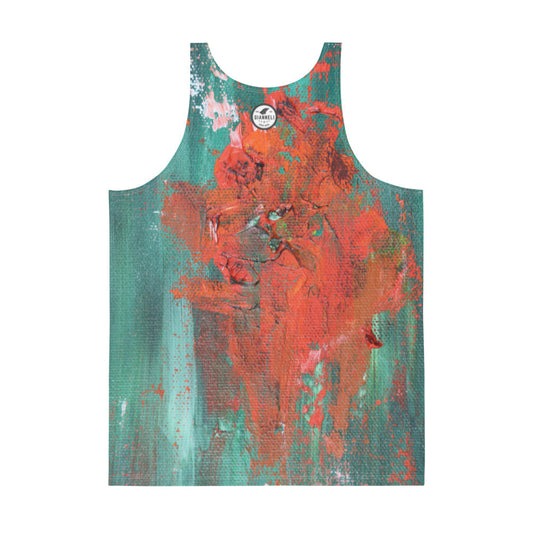
Gianneli Colours Teal and Red Unisex Tank Top
Vendor:Good Doer by GianneliRegular price $85.95 USDRegular price -
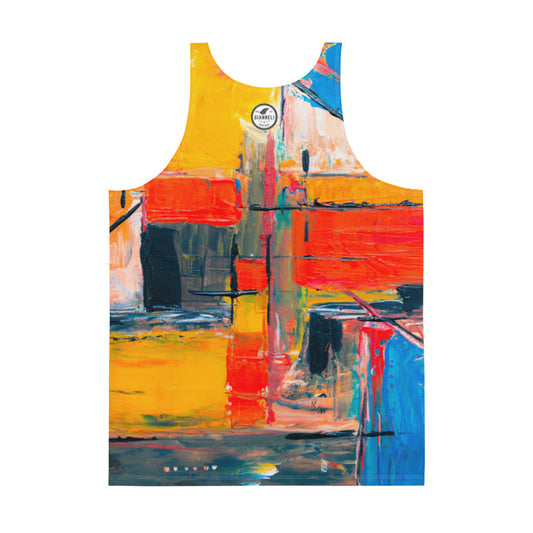
Gianneli Colours Yellow and Red Unisex Tank Top
Vendor:Good Doer by GianneliRegular price $85.95 USDRegular price -
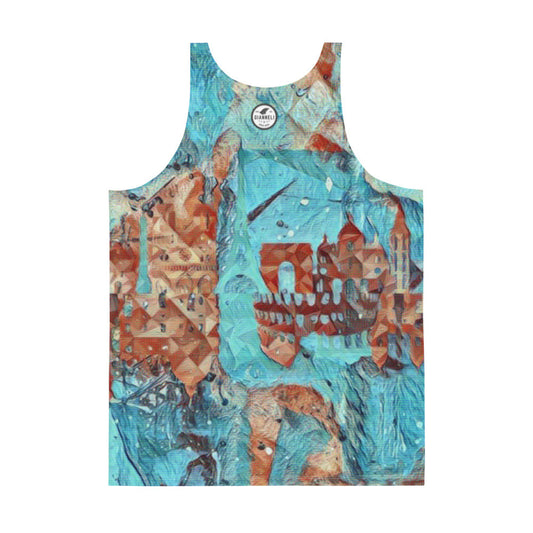
Sottosopra Art Print Unisex Tank Top
Vendor:Good Doer by GianneliRegular price $93.95 USDRegular price







Guides for Apparel
View all-

How to Build a Capsule Wardrobe That Works
A packed closet and nothing to wear is a coherence problem, not a shortage one. A capsule wardrobe fixes it with a smaller set of pieces that all work together,...
How to Build a Capsule Wardrobe That Works
A packed closet and nothing to wear is a coherence problem, not a shortage one. A capsule wardrobe fixes it with a smaller set of pieces that all work together,...
-

Guide to Everyday Clothing That Balances Style, Comfort, and Longevity
Modern apparel is about versatility, comfort, and longevity. This guide explores how everyday clothing can support personal style, adapt to modern lifestyles, and deliver long term value without relying on...
Guide to Everyday Clothing That Balances Style, Comfort, and Longevity
Modern apparel is about versatility, comfort, and longevity. This guide explores how everyday clothing can support personal style, adapt to modern lifestyles, and deliver long term value without relying on...
- More from the blog, not specific to this page.

Reading a Dog Sweater Size Chart Starts at the Ribcage
Two dogs can weigh the same and still be inches apart around the ribs, which is why a scale makes a poor tailor. A soft tape and three minutes tell...
Reading a Dog Sweater Size Chart Starts at the Ribcage
Two dogs can weigh the same and still be inches apart around the ribs, which is why a scale makes a poor tailor. A soft tape and three minutes tell...
- More from the blog, not specific to this page.

How to Remove Gel Nail Polish at Home Without Peeling
A lifted corner is not an invitation to pull. The acetone soak, a wrap-time table for each gel type and a calm week of cuticle care keep the nail you...
How to Remove Gel Nail Polish at Home Without Peeling
A lifted corner is not an invitation to pull. The acetone soak, a wrap-time table for each gel type and a calm week of cuticle care keep the nail you...


