
A heavyweight hoodie is measured by the weight of its cloth, and the class starts around 300 gsm, roughly twice an ordinary sweatshirt. At that weight the hoodie stops being a layer you cover up and becomes the coat on a cool, dry day. Choose one when you want a single warm piece instead of a stack of layers.
-
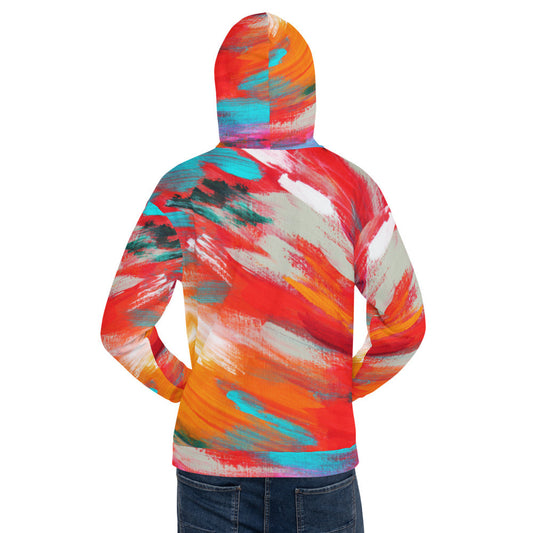
Gianneli Colours Coral Unisex Fleece Hoodie
Vendor:Good Doer by GianneliRegular price $128.95 USDRegular price -
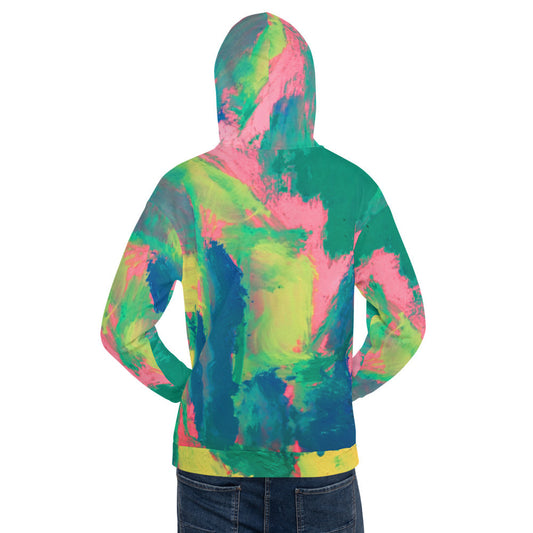
Gianneli Colours Green and Pink Fleece Hoodie
Vendor:Good Doer by GianneliRegular price $130.95 USDRegular price -
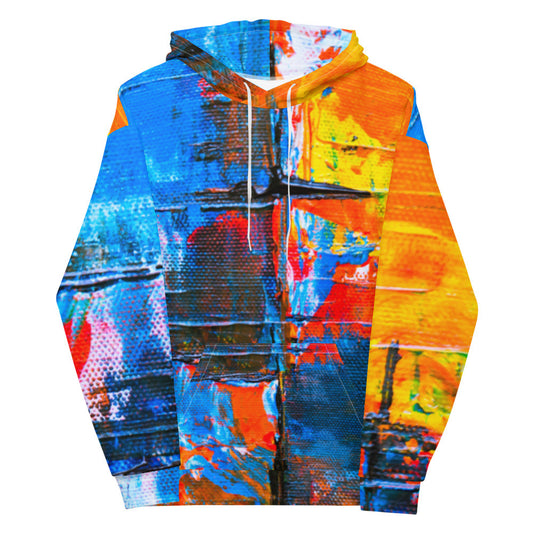
Gianneli Colours Orange and Blue Fleece Hoodie
Vendor:Good Doer by GianneliRegular price $156.95 USDRegular price -
Gianneli Colours Yellow and Pink Fleece Hoodie
Vendor:Good Doer by GianneliRegular price From $128.95 USDRegular price -
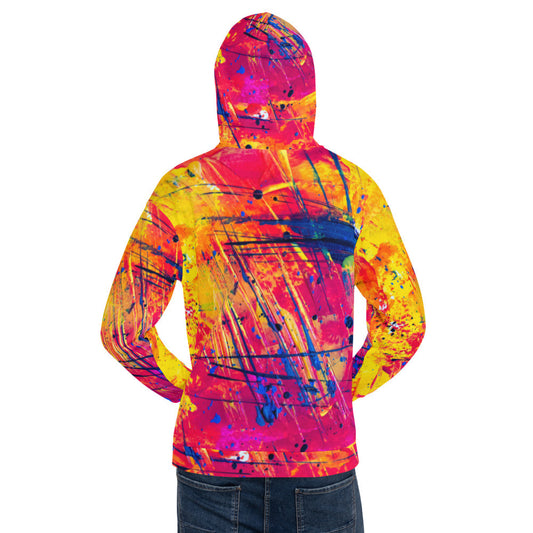
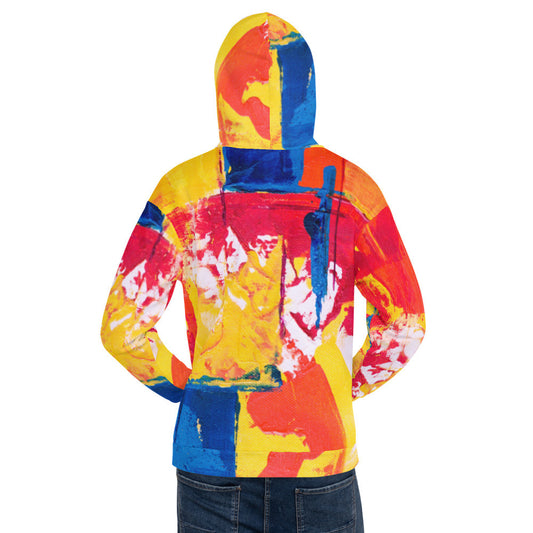
Gianneli Colours Yellow and Red Fleece Hoodie
Vendor:Good Doer by GianneliRegular price $121.95 USDRegular price -
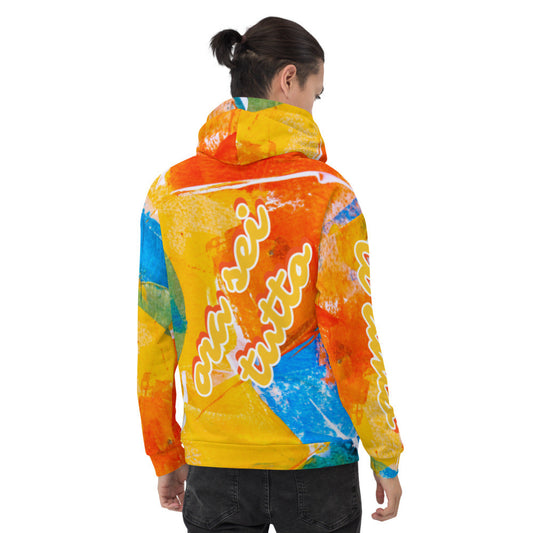
Tutto Unisex Fleece Hoodie
Vendor:Good Doer by GianneliRegular price $142.95 USDRegular price






Guides for Apparel
View all-

How to Wash a Hoodie So It Stays Soft and Bright
Your favorite hoodie can stay soft, bright and the right length for years. It mostly comes down to cold water, a little patience and one bottle you should leave on...
How to Wash a Hoodie So It Stays Soft and Bright
Your favorite hoodie can stay soft, bright and the right length for years. It mostly comes down to cold water, a little patience and one bottle you should leave on...
-

How to Build a Capsule Wardrobe That Works
A packed closet and nothing to wear is a coherence problem, not a shortage one. A capsule wardrobe fixes it with a smaller set of pieces that all work together,...
How to Build a Capsule Wardrobe That Works
A packed closet and nothing to wear is a coherence problem, not a shortage one. A capsule wardrobe fixes it with a smaller set of pieces that all work together,...
-

Guide to Everyday Clothing That Balances Style, Comfort, and Longevity
Modern apparel is about versatility, comfort, and longevity. This guide explores how everyday clothing can support personal style, adapt to modern lifestyles, and deliver long term value without relying on...
Guide to Everyday Clothing That Balances Style, Comfort, and Longevity
Modern apparel is about versatility, comfort, and longevity. This guide explores how everyday clothing can support personal style, adapt to modern lifestyles, and deliver long term value without relying on...
- More from the blog, not specific to this page.

How to Remove Gel Nail Polish at Home Without Peeling
A lifted corner is not an invitation to pull. The acetone soak, a wrap-time table for each gel type and a calm week of cuticle care keep the nail you...
How to Remove Gel Nail Polish at Home Without Peeling
A lifted corner is not an invitation to pull. The acetone soak, a wrap-time table for each gel type and a calm week of cuticle care keep the nail you...


