Minimal apparel trends are redefining modern fashion by prioritizing simplicity, versatility, and longevity. Discover why clean, timeless clothing is becoming the foundation of everyday wardrobes worldwide.
912 words,
4 minutes read time.
Last edited .
Fashion trends change rapidly, yet one movement continues to grow stronger with time: minimal apparel. In contrast to bold patterns, fast cycles, and short-lived statements, minimal clothing focuses on simplicity, balance, and longevity. This approach to apparel is no longer a niche preference it has become a dominant force in modern fashion.
Minimal apparel is not about wearing less, but about wearing better. Clean lines, neutral tones, and versatile silhouettes now define how people build everyday wardrobes. As lifestyles become more dynamic and intentional, simple clothing offers clarity, comfort, and consistency.
What Minimal Apparel Really Means
Minimal apparel goes beyond aesthetics. At its core, it is a philosophy that values function, adaptability, and timeless appeal. Minimal clothing avoids excessive detailing and trend-driven elements, instead focusing on essential shapes and thoughtful construction.
This style allows garments to remain relevant regardless of season or occasion. By removing visual noise, minimal apparel highlights quality, fit, and fabric the elements that truly matter in long-term wear.
Rather than limiting expression, minimal clothing creates space for individuality through subtle choices and personal styling.
Why Simplicity Is Winning in Modern Fashion
Modern life is fast-paced, multi-functional, and increasingly digital. Clothing needs to adapt seamlessly across different environments. Minimal apparel supports this shift by offering pieces that transition effortlessly from one context to another.
Simple clothing reduces decision fatigue. When apparel works together naturally, getting dressed becomes easier and more intuitive. This is why minimal fashion aligns so well with modern lifestyles it brings structure and ease into daily routines.
Simplicity also resonates with changing values. Consumers are becoming more mindful about consumption, seeking clothing that lasts longer and delivers real value over time.
The Role of Versatility in Minimal Apparel
Versatility is one of the strongest advantages of minimal clothing. Apparel designed with simplicity in mind can be styled in multiple ways without losing its identity.
A neutral-toned top can be worn alone, layered, or paired with various bottoms. Clean silhouettes allow garments to fit different occasions with minor adjustments. This adaptability increases the usefulness of each piece and strengthens the overall wardrobe.
Minimal apparel supports a mix-and-match approach, where fewer items create more outfit combinations. This not only saves time but also encourages smarter wardrobe building.
Minimal Apparel and Everyday Comfort
Comfort is central to the rise of minimal clothing. Simple designs often prioritize movement, breathability, and natural fits. Without restrictive elements or unnecessary structure, apparel feels more wearable throughout the day.
Comfortable clothing improves confidence. When apparel feels good on the body, it naturally looks better. Minimal fashion recognizes that true style begins with ease and functionality.
As remote work and flexible lifestyles become more common, comfort-focused apparel has shifted from a luxury to a necessity.
Why Neutral Colors Dominate Minimal Fashion
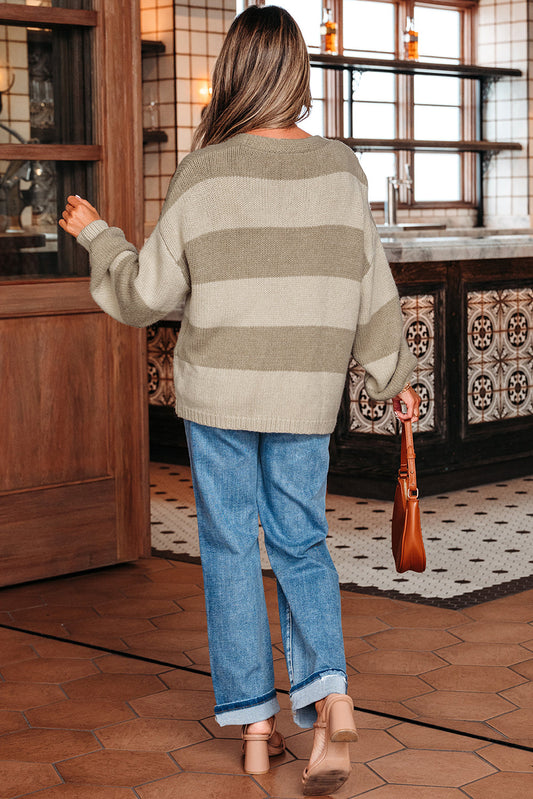
Neutral colors are a defining feature of minimal apparel. Shades like beige, white, black, grey, and soft earth tones create harmony within a wardrobe. These colors allow garments to blend effortlessly, increasing styling options.
Neutral palettes also age better than trend-driven colors. They remain relevant across seasons and years, making them ideal for long-term use. This color strategy supports a wardrobe built on consistency rather than constant renewal.
Minimal apparel uses color strategically not to attract attention, but to support balance and cohesion.
Quality Over Trends
Minimal fashion naturally places emphasis on quality over quantity. When clothing relies on simplicity, craftsmanship becomes more visible. Fabric texture, stitching, and fit take center stage.
High-quality minimal apparel maintains its form and appeal over time. Without heavy embellishments or trend-specific features, garments are less likely to feel outdated. This makes minimal clothing a smarter investment in the long run.
Choosing fewer, well-made pieces leads to a more reliable and refined wardrobe.
How Minimal Apparel Shapes a Sustainable Mindset
Sustainability and minimal fashion are closely connected. Simple clothing encourages thoughtful consumption and longer product lifecycles. By reducing the desire for frequent replacements, minimal apparel supports more responsible wardrobe habits.
A wardrobe built on essentials reduces waste and promotes intentional purchasing. Each item serves a clear purpose, minimizing redundancy.
Minimal fashion aligns with the growing desire for conscious living — where style, ethics, and practicality intersect.
Minimal Apparel Across Different Lifestyles
One of the reasons minimal apparel continues to dominate is its universal appeal. Simple clothing adapts easily to different lifestyles, professions, and personal preferences.
For active days, minimal apparel offers comfort and flexibility. For more refined settings, clean lines and structured basics provide understated elegance. This adaptability allows individuals to express themselves without relying on dramatic fashion statements.
Minimal clothing works with life, not against it.
Building a Minimal Apparel Wardrobe
Creating a minimal wardrobe starts with identifying essential pieces that work together naturally. Instead of focusing on trends, the goal is to build a collection of clothing that feels cohesive and dependable.
Start by choosing versatile items with neutral tones and classic cuts. Prioritize comfort and quality. Over time, the wardrobe becomes easier to manage, more functional, and more personal.
Minimal apparel does not limit choice, it refines it.
Why Minimal Fashion Is Here to Stay
Minimal apparel is not a passing trend. Its growth reflects deeper shifts in lifestyle, values, and consumption habits. As people seek simplicity, balance, and longevity in all aspects of life, clothing naturally follows the same direction.
Simple apparel offers freedom from excess, clarity in personal style, and confidence through consistency. This is why minimal fashion continues to dominate modern wardrobes, not because it demands attention, but because it delivers lasting relevance.
A packed closet and nothing to wear is a coherence problem, not a shortage one. A capsule wardrobe fixes it with a smaller set of pieces that all work together,...
A packed closet and nothing to wear is a coherence problem, not a shortage one. A capsule wardrobe fixes it with a smaller set of pieces that all work together,...
Modern apparel is about versatility, comfort, and longevity. This guide explores how everyday clothing can support personal style, adapt to modern lifestyles, and deliver long term value without relying on...
Modern apparel is about versatility, comfort, and longevity. This guide explores how everyday clothing can support personal style, adapt to modern lifestyles, and deliver long term value without relying on...
Styling apparel is about adaptability, not excess. Learn how to transform everyday clothing into outfits suitable for different occasions while maintaining comfort, balance, and personal style.
Styling apparel is about adaptability, not excess. Learn how to transform everyday clothing into outfits suitable for different occasions while maintaining comfort, balance, and personal style.
Everyday apparel essentials form the foundation of a functional wardrobe. Discover which clothing pieces deliver comfort, style, and versatility while supporting modern daily lifestyles.
Everyday apparel essentials form the foundation of a functional wardrobe. Discover which clothing pieces deliver comfort, style, and versatility while supporting modern daily lifestyles.