
Shea reaches a jar in one of two states, and they are not interchangeable. Unrefined shea is ivory to pale yellow, smells nutty and slightly smoky, and keeps the minor compounds that give it its reputation. Refined shea is white, odorless and easier to formulate with, having had most of those compounds removed along the way.
-
Birthday Cake Sugar Scrub with a Vanilla Cake Scent
Vendor:AMINNAHRegular price $44.95 USDRegular price -
Body Butter Trio in Unicorn Dreams Frut Loops and Cake
Vendor:AMINNAHRegular price $112.95 USDRegular price -
Brown Sugar Body Scrub with Shea and Lanolin
Vendor:AMINNAHRegular price $60.95 USDRegular price -
Coconut Milk Body Lotion with Shea Butter and Vitamin E
Vendor:Glimmer GoddessRegular price $34.95 USDRegular price -
Essential Oil Body Wash with Coconut and Olive Oil, 8 oz
Vendor:Orion WellnessRegular price $26.95 USDRegular price -
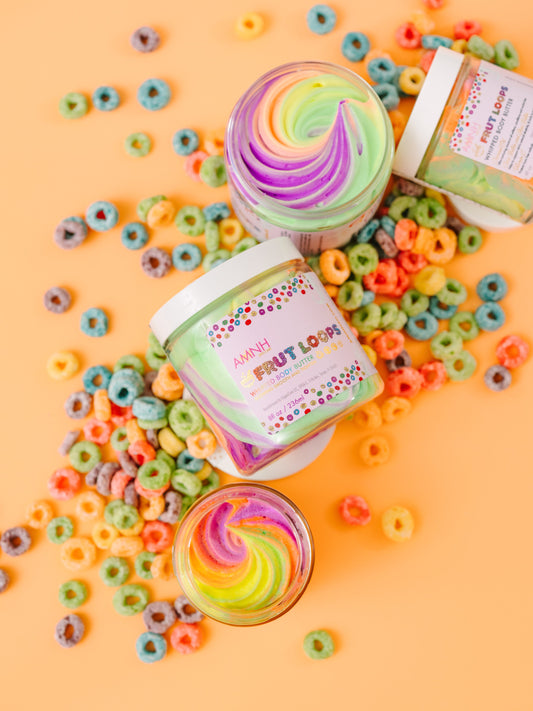
Frut Loops Sugar Scrub Made with Real Sugar
Vendor:AMINNAHRegular price $44.95 USDRegular price -
Galaxy Sugar Scrub with Himalayan Salt and Shea
Vendor:AMINNAHRegular price $44.95 USDRegular price -
Gentle Shea and Lanolin Body Cleanser for Dry Skin
Vendor:AMINNAHRegular price $74.95 USDRegular price -
Golden Sunshine Babe Sugar Scrub with 24k Gold Shimmer
Vendor:AMINNAHRegular price $48.95 USDRegular price -
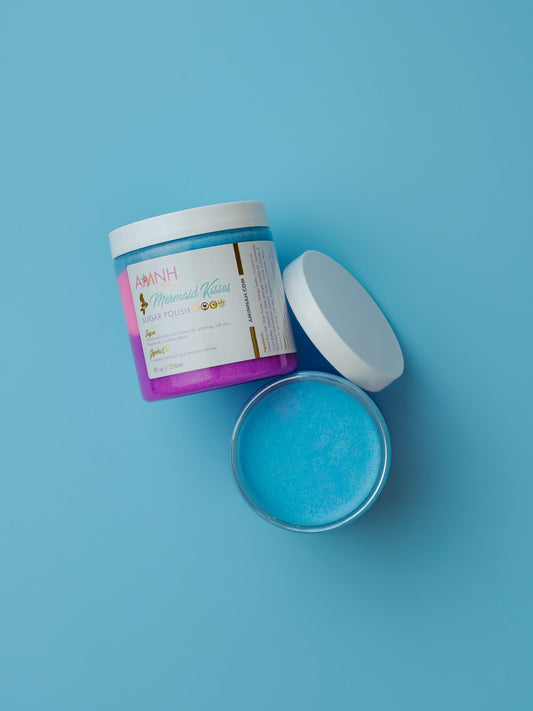
Mermaid Kisses Sugar Scrub with Lavender Water Extract
Vendor:AMINNAHRegular price $44.95 USDRegular price -
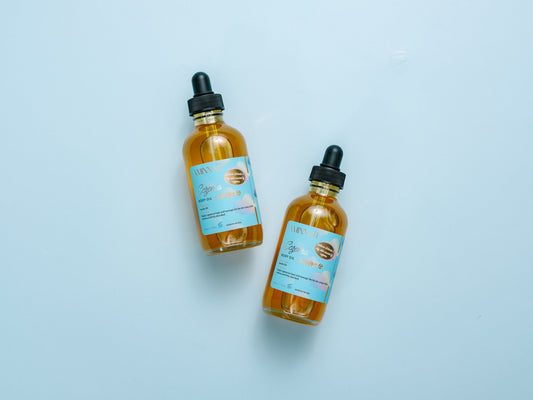
Shea and Lanolin Body Oil for Dry, Sensitive Skin
Vendor:AMINNAHRegular price $54.95 USDRegular price -
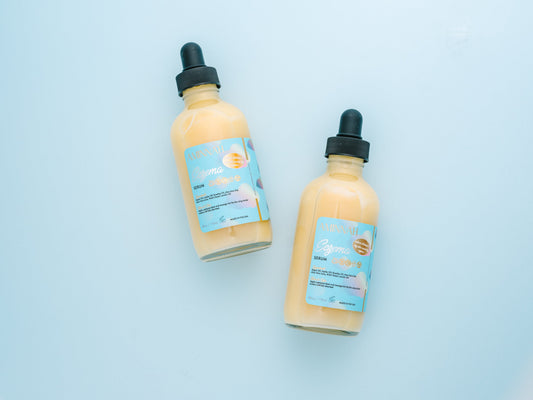
Shea and Lanolin Body Serum for Dry, Rough Patches
Vendor:AMINNAHRegular price $54.95 USDRegular price -
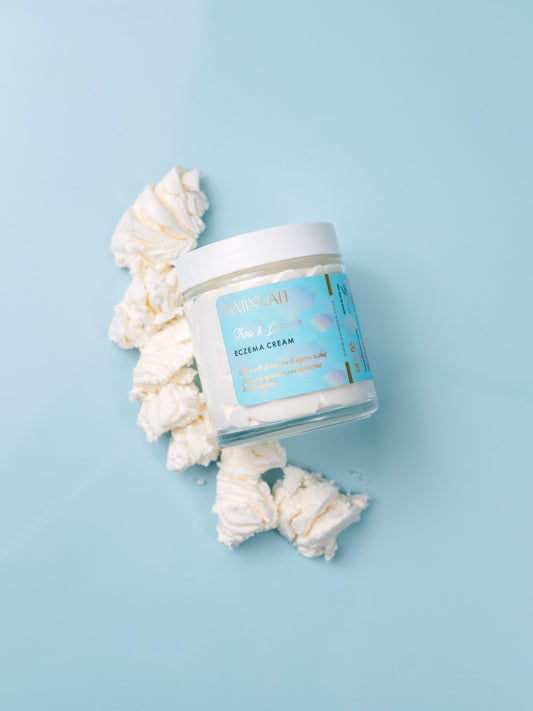
Shea and Lanolin Cream for Dry, Sensitive Skin
Vendor:AMINNAHRegular price $44.95 USDRegular price -
Sugar Scrub Trio in Birthday Cake Frut Loops and Peach
Vendor:AMINNAHRegular price $112.95 USDRegular price -
Sulfate-Free Body Wash with Shea Butter and Aloe Vera
Vendor:Glimmer GoddessRegular price $31.95 USDRegular price -
Toasted Marshmallow Sugar Scrub with 24k Gold Dust
Vendor:AMINNAHRegular price $44.95 USDRegular price -
Unicorn Dreams Plumping Lip Mask with Peppermint Oil
Vendor:AMINNAHRegular price $27.95 USDRegular price -
Unicorn Dreams Sugar Scrub with Strawberry Extract
Vendor:AMINNAHRegular price $44.95 USDRegular price -
XOXO Sugar Scrub with Aloe Vera and Jojoba Oil
Vendor:AMINNAHRegular price $44.95 USDRegular price









Guides for Beauty
View all-

How to Use Body Scrub Without Overdoing It
Wash, scrub, rinse, done? Almost. The order, the water temperature and one small pause decide whether your legs feel like silk or sting for two days.
How to Use Body Scrub Without Overdoing It
Wash, scrub, rinse, done? Almost. The order, the water temperature and one small pause decide whether your legs feel like silk or sting for two days.
-

Body Butter or Body Oil? Choose by the Finish You Want
A jar, a bottle, and a surprisingly personal decision. From a soft scoop to a subtle sheen, the details that make a moisturizer feel right are smaller than the label...
Body Butter or Body Oil? Choose by the Finish You Want
A jar, a bottle, and a surprisingly personal decision. From a soft scoop to a subtle sheen, the details that make a moisturizer feel right are smaller than the label...
-

How Long Should a Perfume Last?
Perfume that disappears within two hours is one of the most common fragrance frustrations, and it is almost always fixable. This guide breaks down every factor that affects how long...
How Long Should a Perfume Last?
Perfume that disappears within two hours is one of the most common fragrance frustrations, and it is almost always fixable. This guide breaks down every factor that affects how long...
-

What Fragrance Notes Actually Mean
Most people have seen fragrance note lists but few know what they actually mean in practice. This guide explains how top, heart and base notes work, what the most important...
What Fragrance Notes Actually Mean
Most people have seen fragrance note lists but few know what they actually mean in practice. This guide explains how top, heart and base notes work, what the most important...


