Body Butter or Body Oil? Choose by the Finish You Want
Aysire Editorial
Share
A jar, a bottle, and a surprisingly personal decision. From a soft scoop to a subtle sheen, the details that make a moisturizer feel right are smaller than the label suggests.
1513 words,
7 minutes read time.
Last edited .
Body butter suits the person who likes to scoop, smooth, and spend a little time on elbows and shins. Body oil suits the person who prefers a pourable texture that glides across a larger area. Either can leave a noticeable finish. The useful question is what you want on your skin when the towel comes off and the clothes go on.
Choosing body butter vs body oil starts with the formula, the finish, and how you get dressed. A fluffy jar does not promise a weightless result, and a runny oil is not automatically the quicker option. Your bathroom shelf can hold a perfectly sensible choice that still feels wrong under your favorite jeans.
What is the point of body butter?
Body butter gives you a scoopable moisturizer that you can place exactly where you want it. Many formulas combine solid plant butters with liquid oils, creating a texture you work between your palms before spreading. That makes a jar appealing if you enjoy a slower application or prefer to concentrate on a few areas.
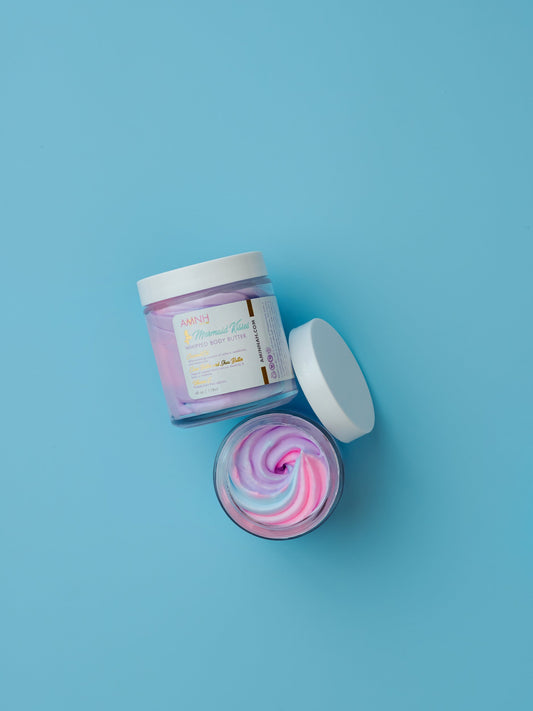
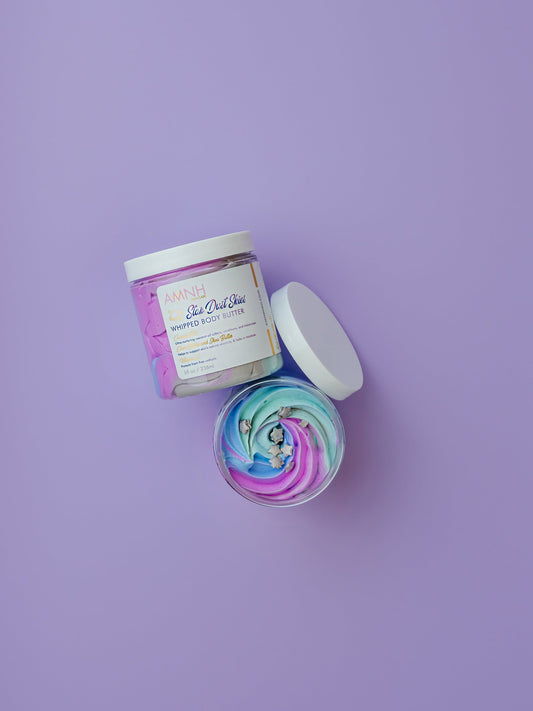
Compare the textures and ingredient details in the body butter collection with your own routine in mind. A dense balm and a whipped butter can share ingredients while feeling different as you scoop them. The whipped appearance describes the presentation; it does not tell you how much residue will remain after application.
A body oil dispenses as a liquid, so it asks for a different kind of control. Pouring directly down your leg can deliver more than you intended. Dispensing into your palm lets you spread a thin layer first and add more where needed. A bottle may feel convenient to one person and fiddly to someone handling a loose cap with slippery fingers.
Neither texture wins for everyone. If you like applying a small amount to your knees while sitting on the bed, a jar fits the moment. If your favorite part of the routine is a smooth sweep over your arms, a liquid may be more satisfying.
The ingredient list can overturn the name
Body butter is a product name, not a complete description of its contents. Some versions are blends of oils and butters with no water listed. Others include water and ingredients that combine it with oils. You cannot reliably sort those two formulas by the photograph of the jar.
Look for water, sometimes listed as aqua, then read the rest of the label. Shea, cocoa, and mango identify different plant butters. Jojoba and sunflower identify oils. Their presence helps you understand the mixture, but an ingredient list alone cannot tell you exactly how it will feel on your arm.
A water-free butter and a body oil can have more in common than their containers suggest. Both may center on oily ingredients, despite one standing in a soft peak and the other moving around inside a bottle. That is why adding the second product does not automatically fill a missing step.
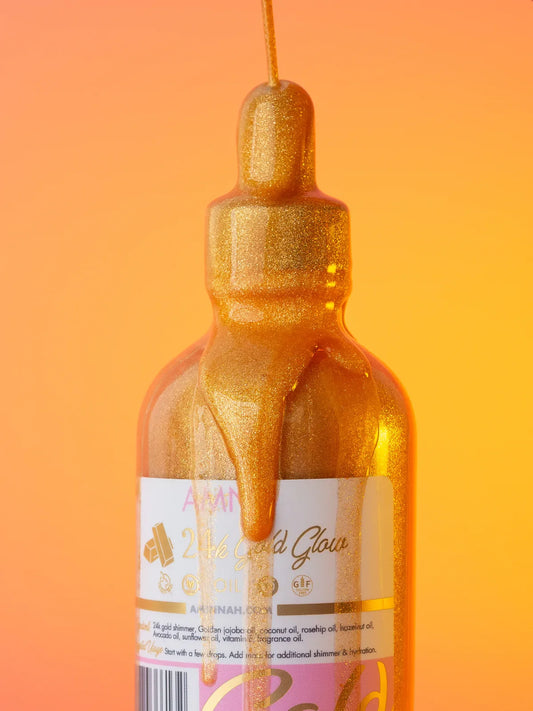
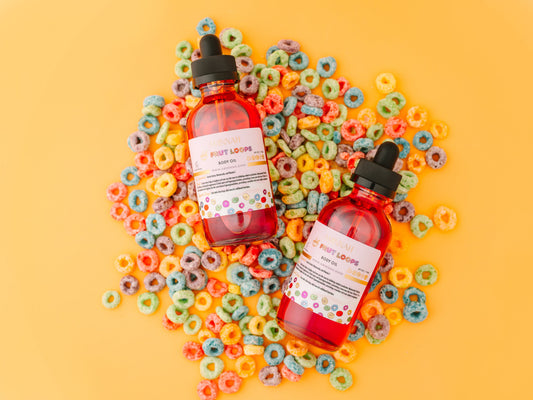
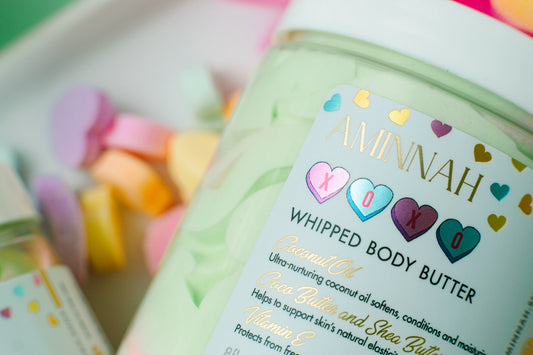
The same restraint applies to scent names and color. A dessert name describes an experience; it does not establish a moisturizing advantage. Shimmer is another separate decision. If you want light-catching particles, check that they are part of the formula. If you want a quiet finish under clothes, look beyond a sparkling product photograph.
Choose the finish that fits your clothes
Your next outfit is a useful way to choose between textures. A visible sheen can be part of the appeal on bare shoulders. Under fitted pants, you may care more about whether fabric moves comfortably over your legs. The exact formula and the amount you apply influence both results.
Your preference
A useful starting point
What to check
A scoop you can place on elbows or shins
Body butter
How easily a small amount spreads
A smooth liquid for arms and legs
Body oil
Whether the dispenser gives you control
Visible shine on exposed skin
An oil with the finish you prefer
Plain sheen versus added shimmer
A comfortable feel under close-fitting clothing
Either, depending on the formula
Residual slip after a modest application
When you already own both formats, compare them on separate occasions with the same kind of outfit. Begin with a small amount each time. Notice the skin feel before dressing, then again after you have moved around. A product can look absorbed in the mirror while still feeling too slippery for the clothes you chose.
Avoid turning someone else's claimed absorption time into a deadline. There is no useful universal countdown for every oil and butter. If you have to leave quickly, use the product and amount you already know. Save the unfamiliar jar for an evening when your waistband is not judging it.
Do you use body butter first or body oil?
The formula matters more than the order printed in a social media routine. If the butter is a water-containing moisturizer, applying it before an optional oil layer is a reasonable starting point, unless its directions say otherwise. If both products are water-free blends, there is no universal butter-first rule that makes the pair necessary.
Start with one product and decide whether you want anything else. You might enjoy butter on your elbows and oil on your arms without stacking them on the same skin. That lets each texture do a job you actually value, instead of turning a two-product purchase into a compulsory two-step ritual.
For the ingredient distinction behind water-based hydration, our guide to how humectants work explains that part of the routine. Here, the shopping decision is simpler: does the second layer improve the feel enough that you want to keep using it?
If you do layer, use less of each than you would when wearing either alone. Assess the combined finish before adding another handful. Keep the products in their original containers and follow their individual instructions, rather than making a new mixture inside the jar.
Do you rinse off body butter?
Ordinary leave-on body butter stays on the skin after application. Rinsing it away would remove the product you just applied. Check the directions, though: a buttery-looking scrub, cleansing butter, or in-shower product may belong to a different category with a rinse-off step.
The American Academy of Dermatology recommends moisturizing after bathing, before skin has dried completely. That timing helps retain water and makes thicker textures easier to distribute. Follow the specific product's directions if they call for a different application.
For a leave-on butter, try a modest scoop, soften it between your hands, and spread it across the area you want to moisturize. With oil, begin in your palm so you can judge the amount before it reaches your skin. Add gradually instead of trying to use up whatever escaped the bottle.
The whipped body butter selection is a useful place to compare a softer scoop with denser textures you may have used before. Read the application instructions along with the ingredients. A decorative swirl tells you how the product looks, while those details tell you how it belongs in your bathroom.
Should you use body butter every day?
A plain moisturizing body butter can fit a daily routine when its directions allow it and your skin tolerates it. Daily use is not a reason to apply a thick coat everywhere. Choose the amount and areas that leave you comfortable, then adjust as your routine changes.
Read more carefully when a butter includes ingredients such as retinol or exfoliating acids. The word butter does not override their instructions. Fragrance matters, too. The American Academy of Dermatology advises fragrance-free products for dry, sensitive skin. Persistent irritation belongs in a conversation with a dermatologist, rather than an experiment with another scented layer.
You can also use butter instead of lotion if the product suits your needs and feels comfortable. There is no requirement to keep every moisturizer format in rotation. Equally, enjoying lotion does not oblige you to replace it. Oil or butter might be an occasional finishing touch, a choice for certain areas, or your preferred everyday texture.
Let the routine stay manageable. Keep the jar where you normally moisturize, close it after use, and follow the storage directions. The product you can reach easily has a practical advantage over the one tucked behind three bottles you rarely open.
Shop for the finish you want to wear
Choose butter when a scoopable texture makes application more enjoyable or easier to control. Choose oil when you prefer spreading a liquid and like its particular finish. Neither choice requires a matching partner, and neither name guarantees how quickly you can pull on a sleeve.
Before selecting a scent, settle the smaller details: a jar or dispenser, plain finish or shimmer, full-body application or a few chosen areas. Those decisions make the difference between a product that looks appealing online and one that earns a regular place beside your towel.
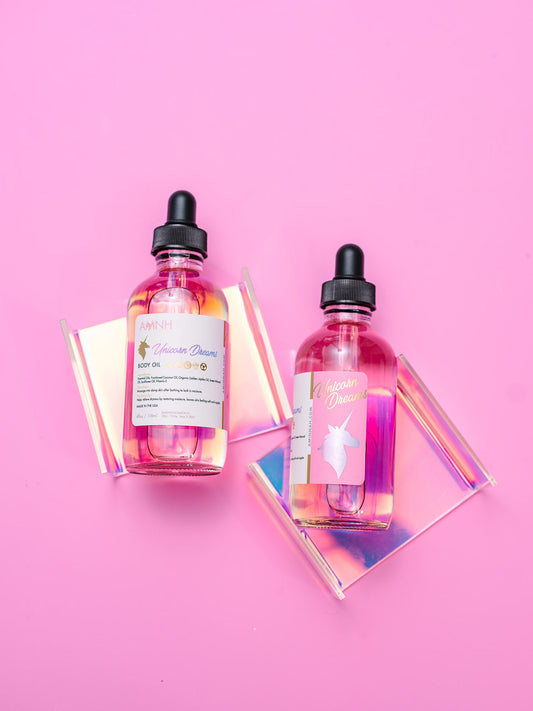
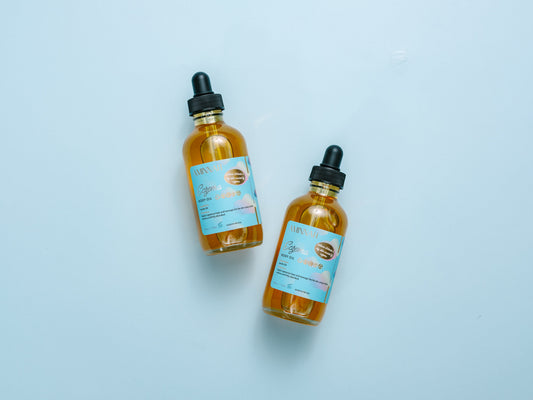
If a pourable texture sounds right, explore the body oil collection with that finish in mind. Pick the formula whose directions, ingredients, and presentation suit your morning or evening. The nicest part of a body-care routine should be how it feels to wear it.
A pillow should earn its place when someone sits down. Compare square and lumbar shapes, check what comes in the package, and find a scale that works with your furniture.
A pillow should earn its place when someone sits down. Compare square and lumbar shapes, check what comes in the package, and find a scale that works with your furniture.
Seven items cover a week anywhere with a shower. The full dopp kit list in four groups, the airport rule that decides half of it, and the edit after every...
Seven items cover a week anywhere with a shower. The full dopp kit list in four groups, the airport rule that decides half of it, and the edit after every...
Chains knot in the first hour and rings vanish before sunscreen. Where jewelry flies, how each piece is packed, and the five things a travel case has to do.
Chains knot in the first hour and rings vanish before sunscreen. Where jewelry flies, how each piece is packed, and the five things a travel case has to do.
Pack for the next change, feed, and clothing mishap, with a little room for delays. A practical checklist and pocket plan make a day out easier to manage.
Pack for the next change, feed, and clothing mishap, with a little room for delays. A practical checklist and pocket plan make a day out easier to manage.