
A polyester elastane blend is two fibers doing two entirely separate jobs in the same cloth. The polyester is the structure, holding the color, taking the abrasion and giving the fabric its strength, while the elastane, usually a small percentage, is the recovery that pulls the knit back to shape after stretching. Knowing which fiber does what explains almost everything about how the garment behaves.
-
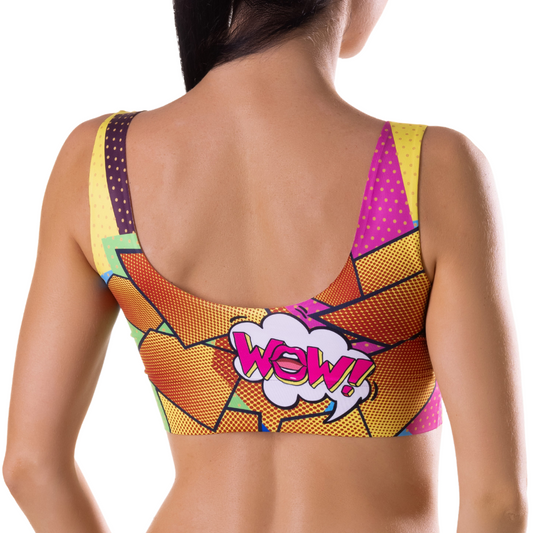
Comics Hot Crop Top for Women in Stretch Polyester Knit
Vendor:MememeRegular price $46.95 USDRegular price -
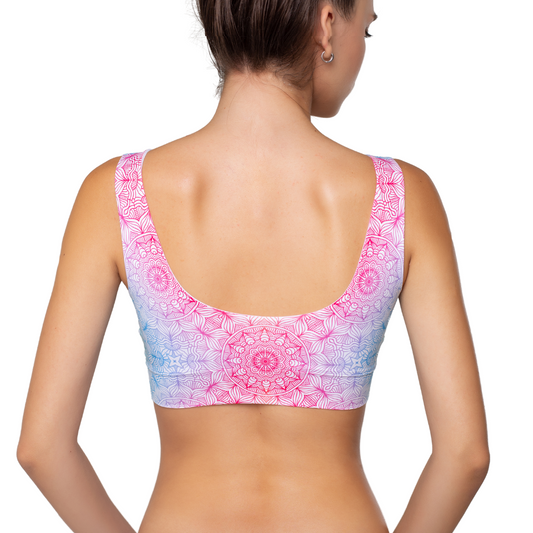
Mandala Happiness Crop Top for Women in Stretch Knit
Vendor:MememeRegular price $46.95 USDRegular price -
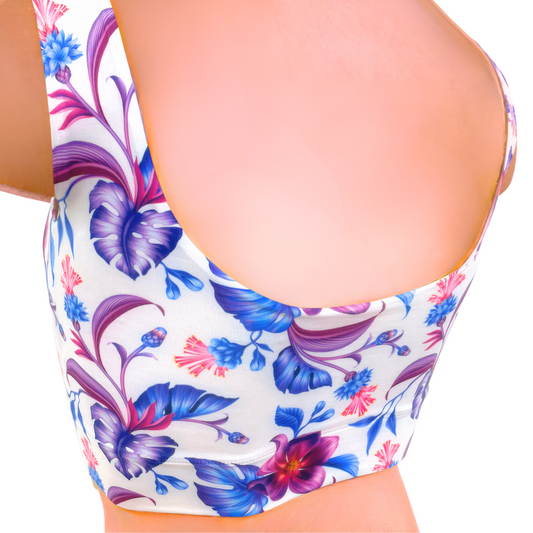
Spring Purple Bloom Crop Top for Women, Floral Print
Vendor:MememeRegular price $46.95 USDRegular price -
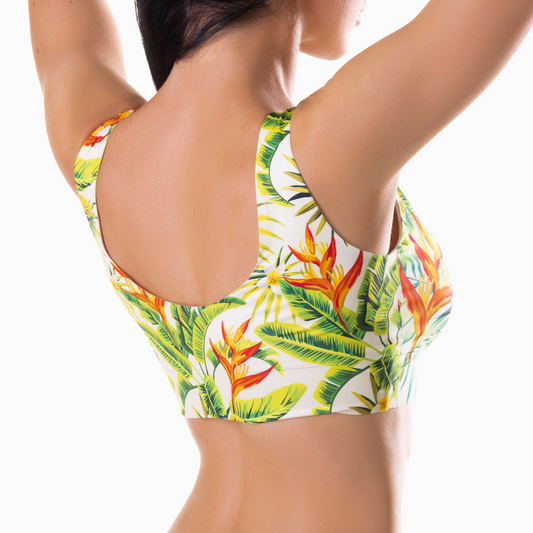
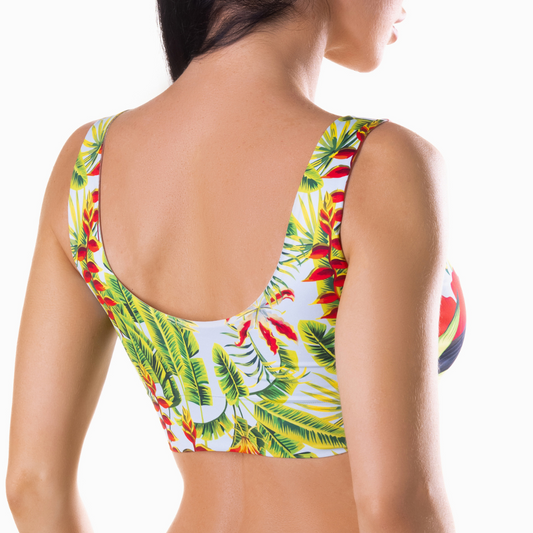
Tropical Island Crop Top for Women, Matching Panty Print
Vendor:MememeRegular price $46.95 USDRegular price -
Tropical Toucan Crop Top for Women, Stretch Knit and Flat Seams
Vendor:MememeRegular price $46.95 USDRegular price -
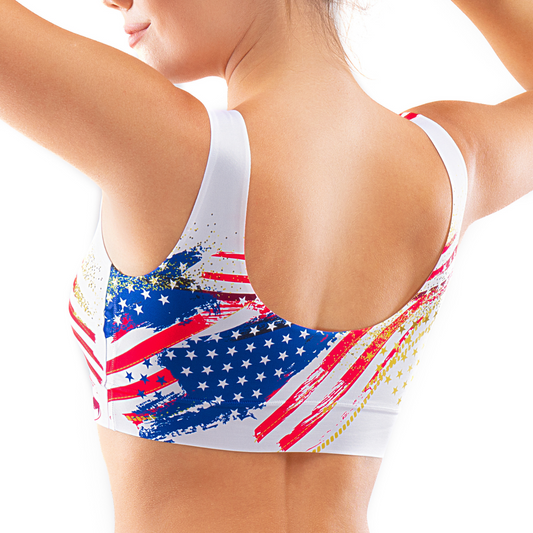
USA Aged Crop Top for Women, Stretch Knit and Flat Seams
Vendor:MememeRegular price $46.95 USDRegular price -
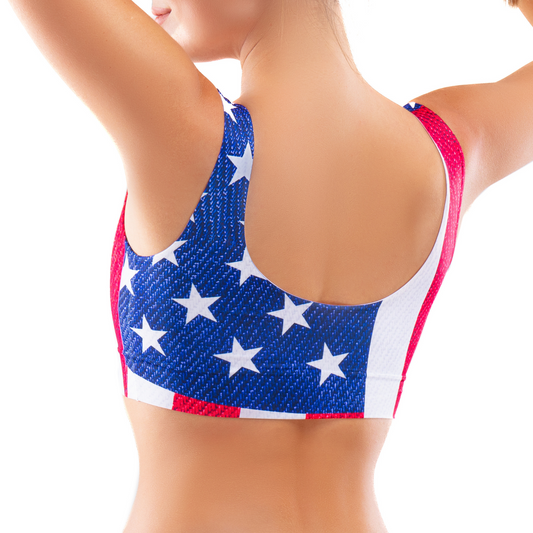
USA Legend Crop Top for Women, Flat Seams and Stretch
Vendor:MememeRegular price $46.95 USDRegular price







Guides for Apparel
View all-

How to Build a Capsule Wardrobe That Works
A packed closet and nothing to wear is a coherence problem, not a shortage one. A capsule wardrobe fixes it with a smaller set of pieces that all work together,...
How to Build a Capsule Wardrobe That Works
A packed closet and nothing to wear is a coherence problem, not a shortage one. A capsule wardrobe fixes it with a smaller set of pieces that all work together,...
-

Guide to Everyday Clothing That Balances Style, Comfort, and Longevity
Modern apparel is about versatility, comfort, and longevity. This guide explores how everyday clothing can support personal style, adapt to modern lifestyles, and deliver long term value without relying on...
Guide to Everyday Clothing That Balances Style, Comfort, and Longevity
Modern apparel is about versatility, comfort, and longevity. This guide explores how everyday clothing can support personal style, adapt to modern lifestyles, and deliver long term value without relying on...
- More from the blog, not specific to this page.

How to Remove Gel Nail Polish at Home Without Peeling
A lifted corner is not an invitation to pull. The acetone soak, a wrap-time table for each gel type and a calm week of cuticle care keep the nail you...
How to Remove Gel Nail Polish at Home Without Peeling
A lifted corner is not an invitation to pull. The acetone soak, a wrap-time table for each gel type and a calm week of cuticle care keep the nail you...
- More from the blog, not specific to this page.

Throw Blanket Size: Which One Covers You, Your Sofa and Your Bed
Most people buy a throw by guess and find out at the toes. One multiplication gives the length that really covers you, and a chart does the rest.
Throw Blanket Size: Which One Covers You, Your Sofa and Your Bed
Most people buy a throw by guess and find out at the toes. One multiplication gives the length that really covers you, and a chart does the rest.


