Eau de parfum is a ratio rather than a rank. It states how much aromatic concentrate has been dissolved into the alcohol, which is a formulation decision and not a mark of quality. That single number is where the practical differences start, and everything below follows from it.
Eau de Parfum
-
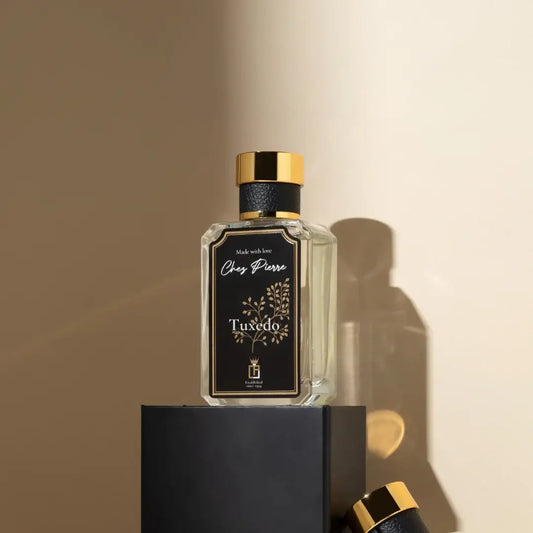
Tuxedo Eau de Parfum for Men Crisp Apple Bergamot 50ml
Vendor:Chez PierreRegular price $62.95 USDRegular priceSale price $62.95 USD -
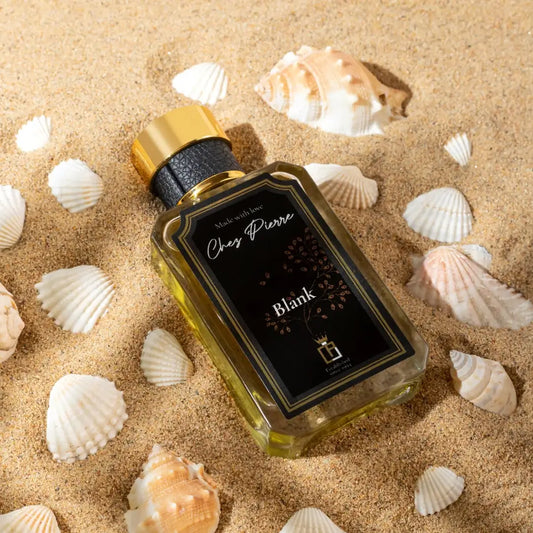
Unisex Eau de Parfum Citrus Floral Coconut 50ml
Vendor:Chez PierreRegular price $62.95 USDRegular priceSale price $62.95 USD -
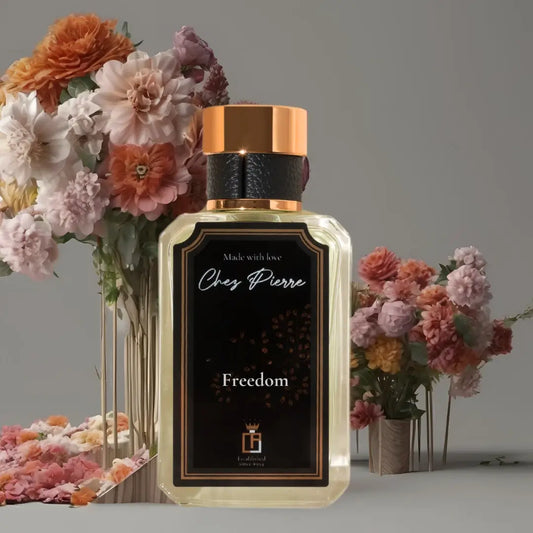
Women's Eau de Parfum Bergamot Jasmine Vanilla 50ml
Vendor:Chez PierreRegular price $62.95 USDRegular priceSale price $62.95 USD
The number behind the name
The concentrate in an eau de parfum generally sits somewhere around fifteen to twenty percent of the liquid, against roughly five to fifteen for an eau de toilette. The remainder is alcohol, which carries the material onto skin and then leaves. Two to three times as much material per press is the entire mechanical difference, and it is worth knowing that the term is an industry convention rather than a legally fixed percentage, so one house's version is not obliged to match another's.
- A ratio, not a grade. A delicate composition can be issued at the higher concentration and a loud one at the lower; the class says nothing about the character.
- Alcohol is the delivery system. It flashes off within seconds and leaves the concentrate behind, which is why a spray feels cold going on.
- Compare within a house, not across them. Percentages are not standardized between brands, so the label is most reliable as a relative signal.
Dose down rather than up
The most common error with a higher concentration is applying it the way you would apply a lighter one, and the reason the error persists is physiological. A nose stops registering a constant smell within a few minutes, so the wearer is the one person in the room who cannot tell how much is there. Everyone else has no such adaptation. Start below what feels sufficient and let another person calibrate it for you.
- Two presses is a sensible opening bid. Add a third only after somebody who will be honest tells you it is needed.
- You are the worst judge of your own dose. Twenty minutes in, you will smell almost nothing and reach for the bottle again.
- Adjust on the next day, not the same hour. Topping up mid morning is how a measured two sprays becomes an unintended five.
- Close quarters change the answer. A car, an elevator and a shared desk are all one arm's length, which is why office perfume scents reward restraint more than evening ones do.
What fifty milliliters actually buys
A standard atomizer delivers in the region of a tenth of a milliliter per press, which puts a 50ml bottle at roughly five hundred sprays. Worn twice a day that is about eight months. Worn on Fridays and Saturdays it is several years. Running that arithmetic before you buy changes the question being asked, because the issue is never whether the bottle is large enough. It is whether you will still want this particular scent by the time the bottle is empty.
- Around five hundred presses per bottle. That figure is stable enough to plan with, whatever the fragrance.
- Daily wear finishes it inside a year. Buy the one you can stand hearing about from colleagues for eight months.
- Occasional wear stretches to years. Which is the argument for something distinctive rather than something safe in the evening perfume bracket.
- Finish one before opening the next. Three bottles in rotation each take three times as long to empty, and the oldest ages while it waits its turn.
It is not a lighter fragrance made heavier
When a house releases one composition at two concentrations, the stronger one is normally rebalanced rather than simply topped up. Light citrus and green materials are volatile and heavy woods, resins and musks are not, so raising the concentrate raises the heavy end disproportionately. An eau de parfum of something you know in a lighter form will usually come across rounder and warmer than the memory you brought with you, and occasionally it reads as a different fragrance wearing the same name.
- A sample of one version does not describe the other. Treat them as related products rather than as the same product at two strengths.
- Warmth is the direction of travel. The base materials gain the most from the extra percentage.
- Choose the profile first. Decide whether you want the citrus opening or the woody one, then treat the concentration as a dosing instruction.
Storing something you will own for months
A high concentration offers no protection against the two things that actually spoil a bottle, which are light and heat. Both accelerate oxidation, and the damage appears at the heavy end first: the liquid darkens and the first thirty seconds after a spray turn sharp and slightly sour. The worst place in most homes is the bathroom shelf, because the temperature there swings every time somebody runs a shower.
- Off the windowsill. Daylight through glass does more damage in a summer than a year of ordinary use.
- Out of the bathroom. Repeated heating and cooling is harder on a fragrance than a steady warm room.
- Keep the carton. It is a light shield that most people throw away on the first day.
- Trust the color over the calendar. A noticeably darker liquid and a harsh opening tell you more than any printed period after opening.
Guides for Beauty
View all-
How Long Should a Perfume Last?
Perfume that disappears within two hours is one of the most common fragrance frustrations, and it is almost always fixable. This guide breaks down every factor that affects how long...
How Long Should a Perfume Last?
Perfume that disappears within two hours is one of the most common fragrance frustrations, and it is almost always fixable. This guide breaks down every factor that affects how long...
-
What Fragrance Notes Actually Mean
Most people have seen fragrance note lists but few know what they actually mean in practice. This guide explains how top, heart and base notes work, what the most important...
What Fragrance Notes Actually Mean
Most people have seen fragrance note lists but few know what they actually mean in practice. This guide explains how top, heart and base notes work, what the most important...
-
How to Find Your Signature Scent
A signature scent is one of the few elements of personal style that operates below the level of conscious decision-making, leaving an impression before you have said a word. This...
How to Find Your Signature Scent
A signature scent is one of the few elements of personal style that operates below the level of conscious decision-making, leaving an impression before you have said a word. This...
-
Skin First, Makeup Second: Why Minimalist Beauty Is Winning
Minimalist beauty is not a trend. It is a reorientation, driven by a generation that has developed a sophisticated appetite for something more real. This guide makes the case for...
Skin First, Makeup Second: Why Minimalist Beauty Is Winning
Minimalist beauty is not a trend. It is a reorientation, driven by a generation that has developed a sophisticated appetite for something more real. This guide makes the case for...
1
/
of
4