
-
Atlas Bloodstone Beaded Bracelet with Black Lava Rock
Vendor:Everwood OriginalRegular price $70.95 USDRegular price -
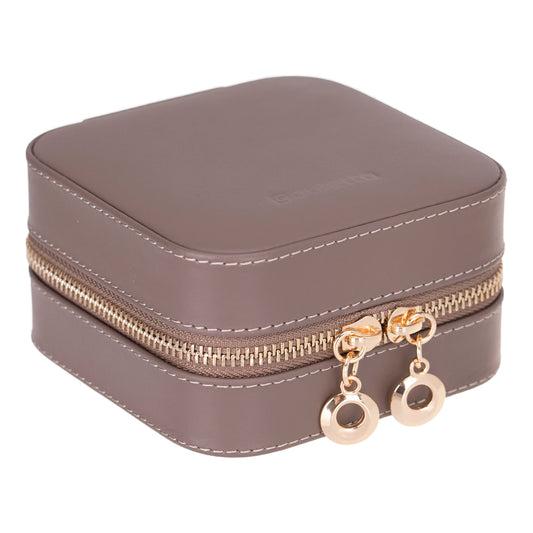
Leather Travel Jewelry Box with Velvet Lining in Two Sizes
Vendor:TORONATARegular price From $104.95 USDRegular price -
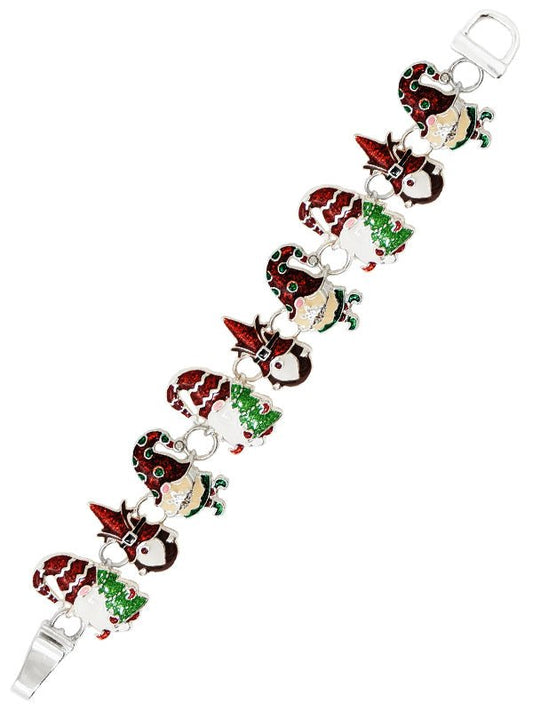
Christmas Gnome Charm Bracelet Silver Tone Magnetic
Vendor:Fashion Hut JewelryRegular price $50.95 USDRegular price -
14K Yellow Gold Opal Clicker Ring
Vendor:Fashion Hut JewelryRegular price $276.95 USDRegular price -
Adjustable Star Ring Rainbow Crystal Blue Accents
Vendor:Fashion Hut JewelryRegular price $62.95 USDRegular price -
14K Yellow Gold Navel Ring with 5 Round Gems
Vendor:Fashion Hut JewelryRegular price $576.95 USDRegular price -
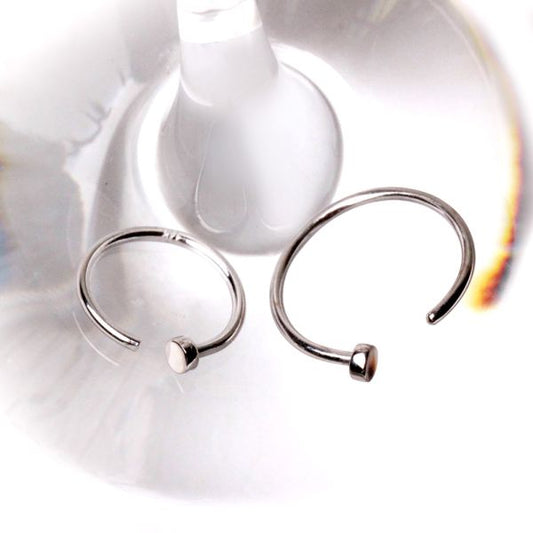
14K White Gold Nose Hoop Ring with 2mm Ball End
Vendor:Fashion Hut JewelryRegular price From $123.95 USDRegular price -
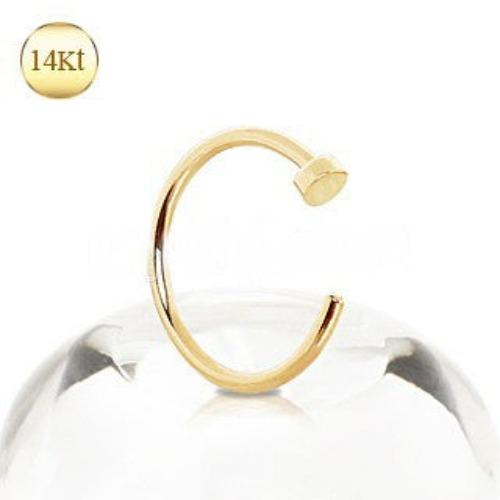
14K Yellow Gold Seamless Nose Hoop with 2mm Ball
Vendor:Fashion Hut JewelryRegular price From $122.95 USDRegular price -
Sparkly Pave Starfish Anklet Silver Beads
Vendor:Fashion Hut JewelryRegular price $59.95 USDRegular price -
Beaded Heart Anklet Colorful Gemstones 9 Inch
Vendor:Fashion Hut JewelryRegular price $47.95 USDRegular price -
14K Yellow Gold Multi-Jeweled Nose Hoop
Vendor:Fashion Hut JewelryRegular price $111.95 USDRegular price









Guides for Jewelry
View all-

How to Measure Bracelet Size for a Comfortable Fit
Two bracelets labeled the same size can feel surprisingly different. Which measurement explains the difference, and what should you check before choosing yours?
How to Measure Bracelet Size for a Comfortable Fit
Two bracelets labeled the same size can feel surprisingly different. Which measurement explains the difference, and what should you check before choosing yours?
-

How to Pack Jewelry for Travel Without Tangles or Loss
Chains knot in the first hour and rings vanish before sunscreen. Where jewelry flies, how each piece is packed, and the five things a travel case has to do.
How to Pack Jewelry for Travel Without Tangles or Loss
Chains knot in the first hour and rings vanish before sunscreen. Where jewelry flies, how each piece is packed, and the five things a travel case has to do.
-

Building a Jewelry Collection You Actually Wear
Most people own more jewelry than they wear. This guide explains how to build a collection that actually fits your wardrobe, your lifestyle, and your mornings, covering everyday essentials, layering...
Building a Jewelry Collection You Actually Wear
Most people own more jewelry than they wear. This guide explains how to build a collection that actually fits your wardrobe, your lifestyle, and your mornings, covering everyday essentials, layering...
- More from the blog, not specific to this page.

How to Remove Gel Nail Polish at Home Without Peeling
A lifted corner is not an invitation to pull. The acetone soak, a wrap-time table for each gel type and a calm week of cuticle care keep the nail you...
How to Remove Gel Nail Polish at Home Without Peeling
A lifted corner is not an invitation to pull. The acetone soak, a wrap-time table for each gel type and a calm week of cuticle care keep the nail you...


