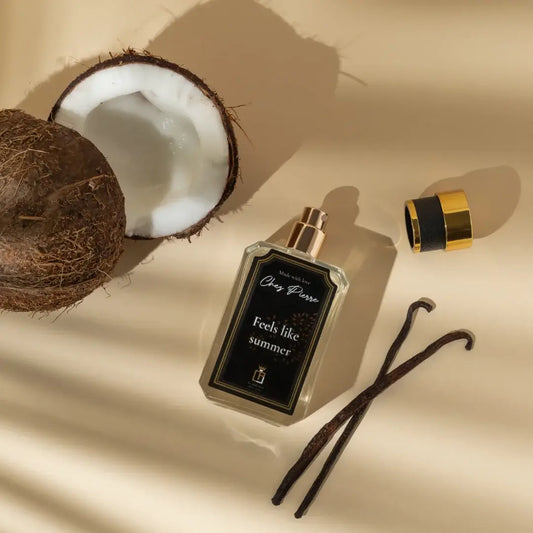
Vanilla is a material, not a style, and the word on a label tells you nothing about how sweet the result will be. Pushed one way it becomes a dessert; pushed another it becomes smoke, or powder, or something almost cool. The bottles on this page take the same material in different directions.
-
Aquatic Citrus Eau de Parfum Vanilla Musk 50ml
Vendor:Chez PierreRegular price $62.95 USDRegular price -
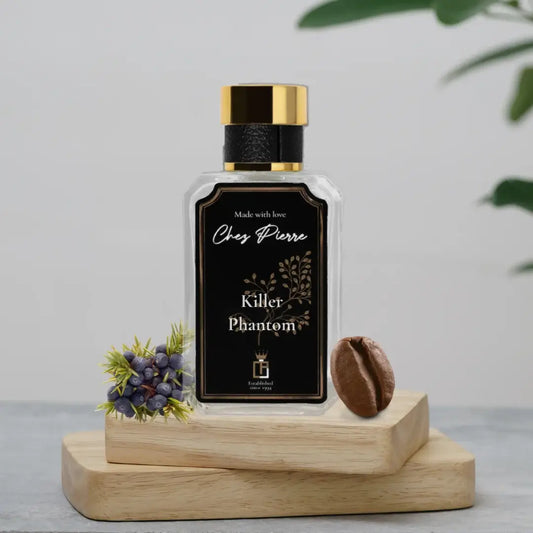
Killer Phantom Eau de Parfum for Men 50ml
Vendor:Chez PierreRegular price $62.95 USDRegular price -
Men's Warm Spicy Vanilla Eau de Parfum 50ml
Vendor:Chez PierreRegular price $62.95 USDRegular price -
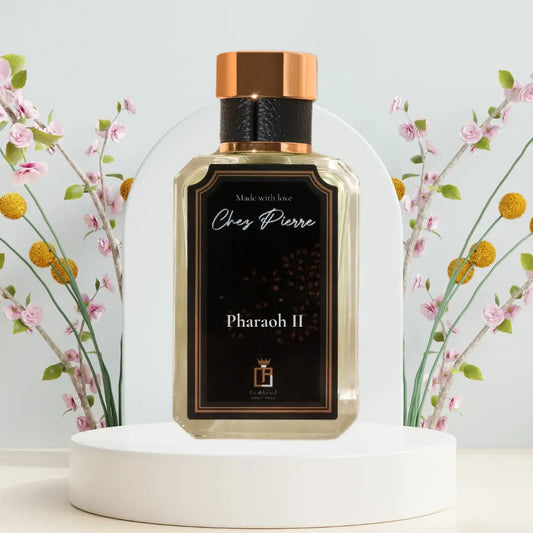
Pharaoh II Eau de Parfum Oud Sandalwood 50ml
Vendor:Chez PierreRegular price $62.95 USDRegular price -
Tobacco Vanilla Eau de Parfum for Men 50ml
Vendor:Chez PierreRegular price $62.95 USDRegular price -
Women's Eau de Parfum Bergamot Jasmine Vanilla 50ml
Vendor:Chez PierreRegular price $62.95 USDRegular price






Guides for Beauty
View all-

How Long Should a Perfume Last?
Perfume that disappears within two hours is one of the most common fragrance frustrations, and it is almost always fixable. This guide breaks down every factor that affects how long...
How Long Should a Perfume Last?
Perfume that disappears within two hours is one of the most common fragrance frustrations, and it is almost always fixable. This guide breaks down every factor that affects how long...
-

What Fragrance Notes Actually Mean
Most people have seen fragrance note lists but few know what they actually mean in practice. This guide explains how top, heart and base notes work, what the most important...
What Fragrance Notes Actually Mean
Most people have seen fragrance note lists but few know what they actually mean in practice. This guide explains how top, heart and base notes work, what the most important...
-

How to Find Your Signature Scent
A signature scent is one of the few elements of personal style that operates below the level of conscious decision-making, leaving an impression before you have said a word. This...
How to Find Your Signature Scent
A signature scent is one of the few elements of personal style that operates below the level of conscious decision-making, leaving an impression before you have said a word. This...
-

Skin First, Makeup Second: Why Minimalist Beauty Is Winning
Minimalist beauty is not a trend. It is a reorientation, driven by a generation that has developed a sophisticated appetite for something more real. This guide makes the case for...
Skin First, Makeup Second: Why Minimalist Beauty Is Winning
Minimalist beauty is not a trend. It is a reorientation, driven by a generation that has developed a sophisticated appetite for something more real. This guide makes the case for...


