Quartz watches run on a sliver of crystal and a small battery, and here that movement sits inside walnut, zebrawood or bamboo. It keeps accurate time with no winding, which suits anyone who wants a watch that simply works whether it is worn daily or once a week. Choose the case and strap you like and let the movement take care of itself; the notes below explain what it needs from you.
-
Inverness Bamboo Wooden Watch with Black Dial and Black Strap
Vendor:Everwood OriginalRegular price $100.95 USDRegular price -
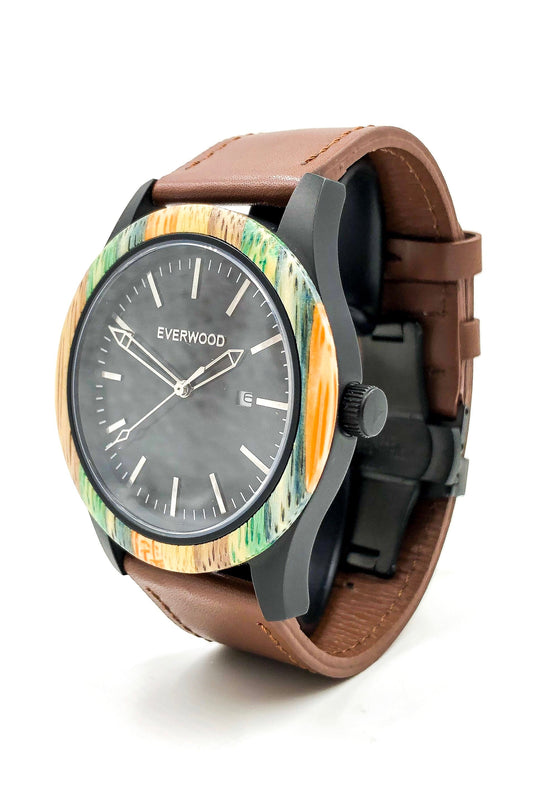
Inverness Bamboo Wooden Watch with Black Dial and Brown Strap
Vendor:Everwood OriginalRegular price $100.95 USDRegular price -
Inverness Bamboo Wooden Watch with White Dial and Black Strap
Vendor:Everwood OriginalRegular price $100.95 USDRegular price -
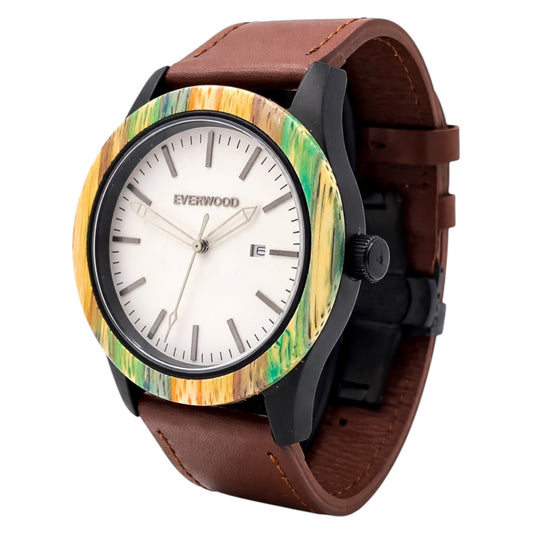
Inverness Bamboo Wooden Watch with White Dial and Brown Strap
Vendor:Everwood OriginalRegular price $100.95 USDRegular price -
Inverness Walnut Wooden Watch with Black Dial and Black Strap
Vendor:Everwood OriginalRegular price $100.95 USDRegular price -
Inverness Walnut Wooden Watch with Black Dial and Brown Strap
Vendor:Everwood OriginalRegular price $100.95 USDRegular price -
Inverness Walnut Wooden Watch with White Dial and Black Strap
Vendor:Everwood OriginalRegular price $100.95 USDRegular price -
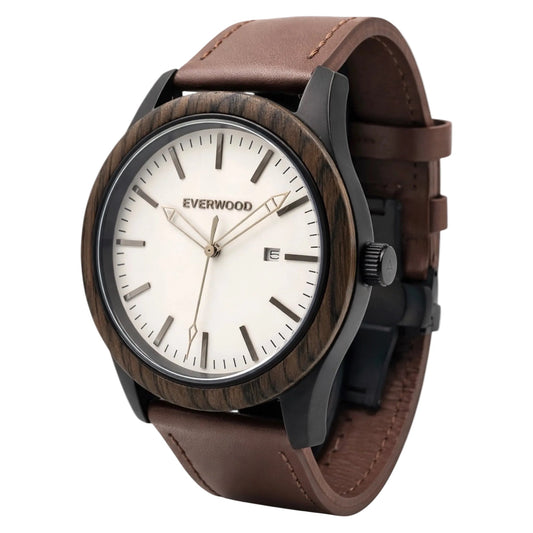
Inverness Walnut Wooden Watch with White Dial and Brown Strap
Vendor:Everwood OriginalRegular price $100.95 USDRegular price -
Inverness Zebrawood Wooden Watch with Black Dial and Black Strap
Vendor:Everwood OriginalRegular price $100.95 USDRegular price -
Inverness Zebrawood Wooden Watch with Black Dial and Brown Strap
Vendor:Everwood OriginalRegular price $100.95 USDRegular price -
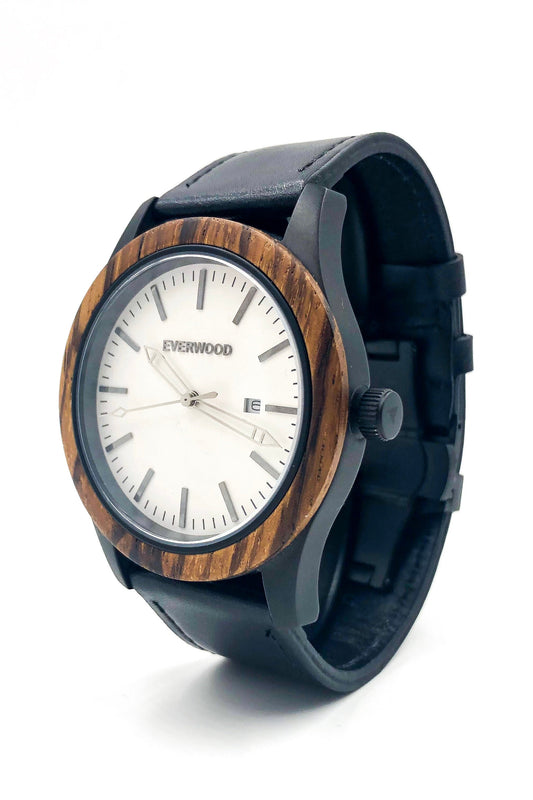
Inverness Zebrawood Wooden Watch with White Dial and Black Strap
Vendor:Everwood OriginalRegular price $100.95 USDRegular price -
Inverness Zebrawood Wooden Watch with White Dial and Brown Strap
Vendor:Everwood OriginalRegular price $100.95 USDRegular price -
Kylemore All Bamboo Wooden Watch with Bamboo Link Band
Vendor:Everwood OriginalRegular price $70.95 USDRegular price -
Kylemore Bamboo Wooden Watch with Black Leather Strap
Vendor:Everwood OriginalRegular price $64.95 USDRegular price -
Kylemore Bamboo Wooden Watch with Brown Leather Strap
Vendor:Everwood OriginalRegular price $70.95 USDRegular price










Guides for Accessories
View all-

How to Choose a Leather Desk Pad That Fits Your Desk
Measure the mouse sweep before the desk. Which size, why leather for a workday desk, what OSHA says about wrist rests, and a size chart that fits on a phone.
How to Choose a Leather Desk Pad That Fits Your Desk
Measure the mouse sweep before the desk. Which size, why leather for a workday desk, what OSHA says about wrist rests, and a size chart that fits on a phone.
-

What Goes in a Dopp Kit, and What Stays Home
Seven items cover a week anywhere with a shower. The full dopp kit list in four groups, the airport rule that decides half of it, and the edit after every...
What Goes in a Dopp Kit, and What Stays Home
Seven items cover a week anywhere with a shower. The full dopp kit list in four groups, the airport rule that decides half of it, and the edit after every...
-

How to Pack Jewelry for Travel Without Tangles or Loss
Chains knot in the first hour and rings vanish before sunscreen. Where jewelry flies, how each piece is packed, and the five things a travel case has to do.
How to Pack Jewelry for Travel Without Tangles or Loss
Chains knot in the first hour and rings vanish before sunscreen. Where jewelry flies, how each piece is packed, and the five things a travel case has to do.
-

How to Measure Your Belt Size at Home
Two belts can carry the same size and fasten differently. Find the measurement detail to check before you choose, plus the shortcut that needs a second look.
How to Measure Your Belt Size at Home
Two belts can carry the same size and fasten differently. Find the measurement detail to check before you choose, plus the shortcut that needs a second look.


