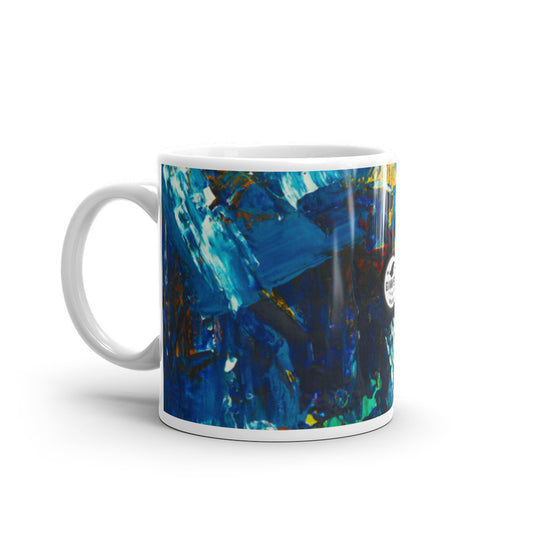
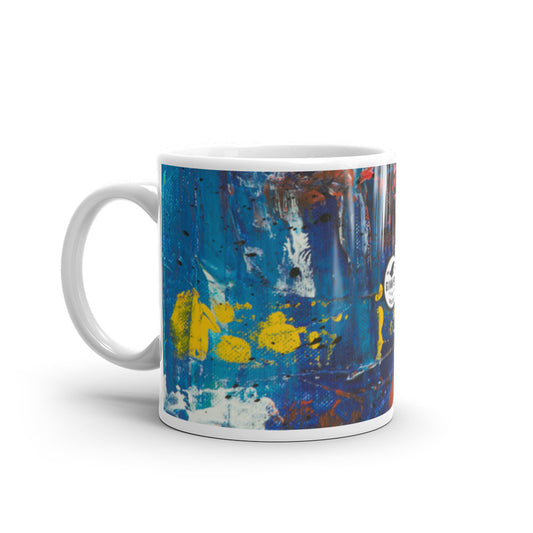
A mug is a cylinder with a handle stuck to one side, which means a printed design is never seen all at once and part of it is always facing away. Where the artwork sits relative to that handle is the detail worth checking: a design centered opposite the handle faces whoever is sitting across the table, while one that wraps continuously reads from every angle but has no single best view. Right-handed and left-handed drinkers see opposite faces of the same mug, so a one-sided print shows to the room rather than to the person holding it.
-
Gianneli Colours Blue Abstract Ceramic Mug
Vendor:Good Doer by GianneliRegular price $58.95 USDRegular price -
Gianneli Colours Red and Yellow Ceramic Mug
Vendor:Good Doer by GianneliRegular price $58.95 USDRegular price -
Having Kids Is Like Having Little Broke Friends Mug
Vendor:Merch MallowRegular price $24.95 USDRegular price -
I Mean To Exercise Then I Remember Wine Mug
Vendor:Merch MallowRegular price $24.95 USDRegular price -
If It Involves True Crime Count Me In Mug
Vendor:Merch MallowRegular price $24.95 USDRegular price -
Show Me Your Kitties Ceramic Coffee Mug 11oz
Vendor:Merch MallowRegular price $24.95 USDRegular price




Guides for Home & Decor
View all-

How to Set a Table for a Dinner Party
Every guide shows you where the fork goes. Almost none tells you what to own, which is the part that decides whether hosting feels calm or frantic.
How to Set a Table for a Dinner Party
Every guide shows you where the fork goes. Almost none tells you what to own, which is the part that decides whether hosting feels calm or frantic.
-

How to Refresh Your Living Space for the Season
Every room has a rhythm that drifts out of sync when the weather turns. Suddenly the space feels heavier or darker than it should, and the urge is to change...
How to Refresh Your Living Space for the Season
Every room has a rhythm that drifts out of sync when the weather turns. Suddenly the space feels heavier or darker than it should, and the urge is to change...
- More from the blog, not specific to this page.

How to Wear Platform Sneakers Without Looking Top-Heavy
Height without a heel, four hundred years old. The hem rule for jeans, the sock rule for dresses, platform against chunky, and the inch that keeps the walk.
How to Wear Platform Sneakers Without Looking Top-Heavy
Height without a heel, four hundred years old. The hem rule for jeans, the sock rule for dresses, platform against chunky, and the inch that keeps the walk.
- More from the blog, not specific to this page.

How to Choose a Leather Desk Pad That Fits Your Desk
Measure the mouse sweep before the desk. Which size, why leather for a workday desk, what OSHA says about wrist rests, and a size chart that fits on a phone.
How to Choose a Leather Desk Pad That Fits Your Desk
Measure the mouse sweep before the desk. Which size, why leather for a workday desk, what OSHA says about wrist rests, and a size chart that fits on a phone.


