Four-way stretch means the cloth gives along its length and its width, and comes back both ways. Two-way stretch gives in one direction only, which is why a shirt that stretches across the shoulders can still bind the moment you reach forward. Everything on this page moves in both directions and returns.
Four-Way Stretch
-
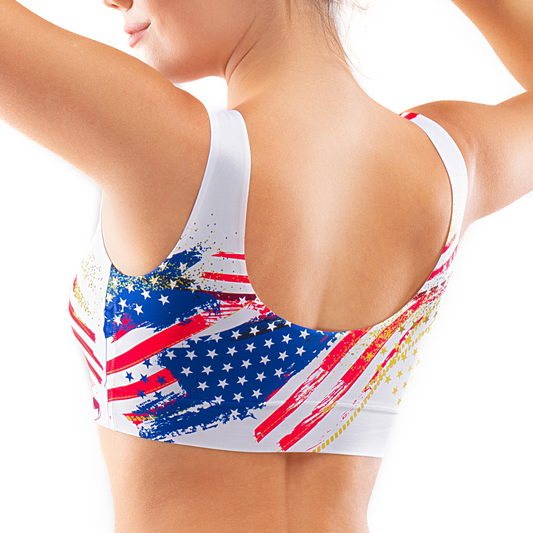
USA Aged Crop Top for Women, Stretch Knit and Flat Seams
Vendor:MememeRegular price $46.95 USDRegular priceSale price $46.95 USD -
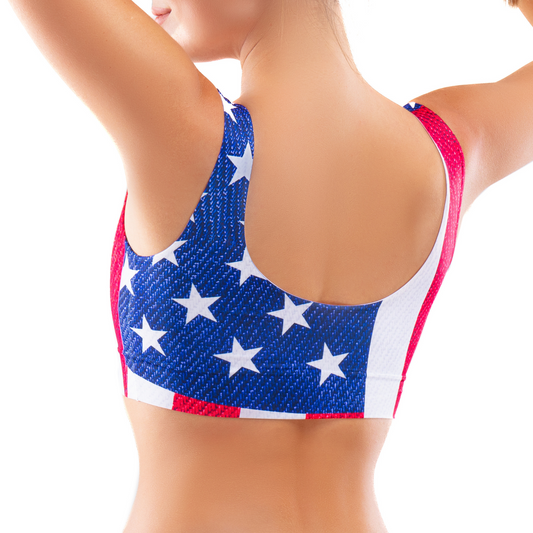
USA Legend Crop Top for Women, Flat Seams and Stretch
Vendor:MememeRegular price $46.95 USDRegular priceSale price $46.95 USD -
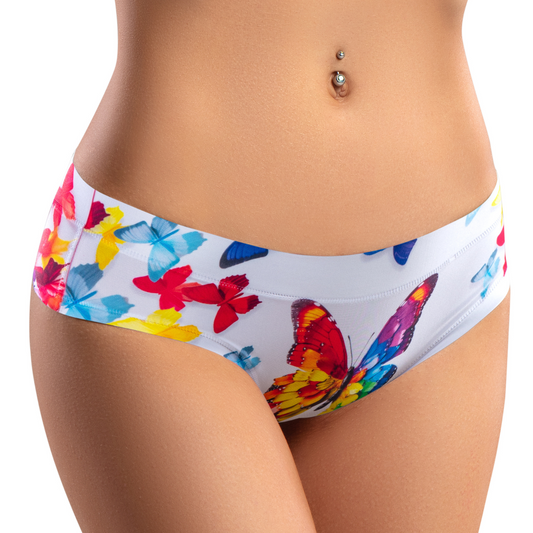
Vivid Life Creation Panties for Women, Cotton Gusset
Vendor:MememeRegular price $34.95 USDRegular priceSale price $34.95 USD -
Winter Joy Panties for Women in Slip and Thong Cuts
Vendor:MememeRegular price $34.95 USDRegular priceSale price $34.95 USD
What The Fabric Is Doing
- Gives in two directions. Length and width, so reaching, sitting and bending all pull against cloth that follows instead of resisting.
- Comes back after. Elastane returns the fiber to shape, which is what keeps elbows and seats from going soft after a few months.
- Print sits inside the fiber. Sublimation dyes the thread itself, so the design stretches with the cloth instead of cracking on top of it.
Recovery Is The Half That Decides
Any knit stretches if you pull hard enough. What separates a shirt that still fits in a year from one that does not is whether the fiber pulls back, and that is a different property with a different name. Elastane is the part that comes back. A shirt with permanent elbows did not fail at stretching; it stretched exactly as asked and then stayed there.
This is why the elastane percentage on a label is worth more attention than the word stretch on the front of it. A knit with no elastane can feel soft and give easily in the store and be shapeless by spring. The give is cheap to build and easy to feel in your hand. The return is the expensive part, and it is the part you only notice months later, which is exactly when it is too late to do anything about it.
Why It Matters More On A Printed Piece
Most of the prints here are sublimated, so the color lives inside the thread instead of resting on it. A screen-printed design is a thin skin laid over the cloth, and a skin cannot follow fabric that moves four ways. It splits at exactly the points that move most, which is why the chest of an old band tee looks like dried paint. On a sublimated piece the design moves because the fabric does, and the fabric moving is the whole premise.
The practical result is that these can be worn and washed on a normal cycle without the print becoming the thing that dates them. What wears out first is the fabric, not the graphic. It also means there is no raised patch to feel against the skin, which is the other thing a surface print gives you and the reason printed tees are often worn inside out at home.
Where The Fabric Turns Up Here
Underwear is where the stretch works hardest. A printed thong or brief spends the whole day sitting, walking and bending, and cloth that gives both ways follows each move instead of shifting with it, which is half of what keeps an outline smooth under clothes. The no visible panty line pages explain the other half, how the edges are finished so nothing shows through.
Above the waist the same give runs through crop tops, tank tops and tees, and a jersey t-shirt is the one to pick for a smoother hand and more drape. It carries on into fitted dresses, one-piece swimsuits, swim trunks and high-waisted leggings. A fitted dress is where four-way stretch does its most visible work, because a dress asks the cloth to move in more directions at once than a tee ever will, and leggings are where you feel the recovery most, at the knee after a long day.
Choosing A Size
- Between sizes, want it defined. Take the smaller and let the fabric accommodate. Four-way stretch reads as a closer fit without reading as tight.
- Between sizes, want it loose. Take the larger. Stretch will not add drape on its own; only more cloth does that.
- The print does not change the cut. Sublimated pieces run the same as plain ones, so a size that worked before still works.
Guides for Apparel
View all-
How to Build a Capsule Wardrobe That Works
A packed closet and nothing to wear is a coherence problem, not a shortage one. A capsule wardrobe fixes it with a smaller set of pieces that all work together,...
How to Build a Capsule Wardrobe That Works
A packed closet and nothing to wear is a coherence problem, not a shortage one. A capsule wardrobe fixes it with a smaller set of pieces that all work together,...
-
How to Build a Lingerie Wardrobe
Lingerie is the one part of the wardrobe most people think about last, but it shapes everything worn on top of it. This guide covers the key categories, what fabrics...
How to Build a Lingerie Wardrobe
Lingerie is the one part of the wardrobe most people think about last, but it shapes everything worn on top of it. This guide covers the key categories, what fabrics...
-
Guide to Everyday Clothing That Balances Style, Comfort, and Longevity
Modern apparel is about versatility, comfort, and longevity. This guide explores how everyday clothing can support personal style, adapt to modern lifestyles, and deliver long term value without relying on...
Guide to Everyday Clothing That Balances Style, Comfort, and Longevity
Modern apparel is about versatility, comfort, and longevity. This guide explores how everyday clothing can support personal style, adapt to modern lifestyles, and deliver long term value without relying on...
-
How to Style Apparel Pieces for Different Occasions
Styling apparel is about adaptability, not excess. Learn how to transform everyday clothing into outfits suitable for different occasions while maintaining comfort, balance, and personal style.
How to Style Apparel Pieces for Different Occasions
Styling apparel is about adaptability, not excess. Learn how to transform everyday clothing into outfits suitable for different occasions while maintaining comfort, balance, and personal style.
1
/
of
4