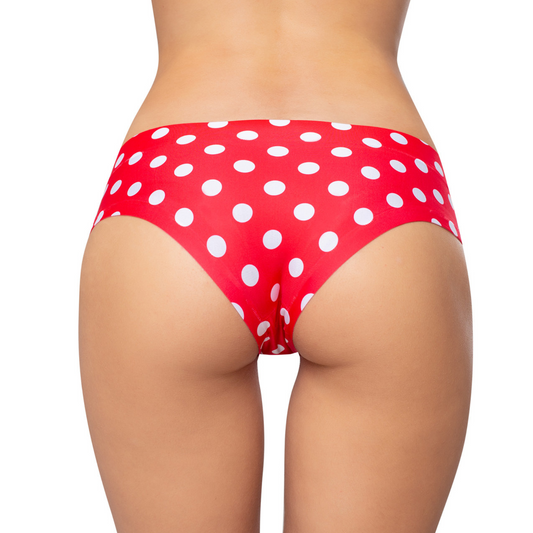
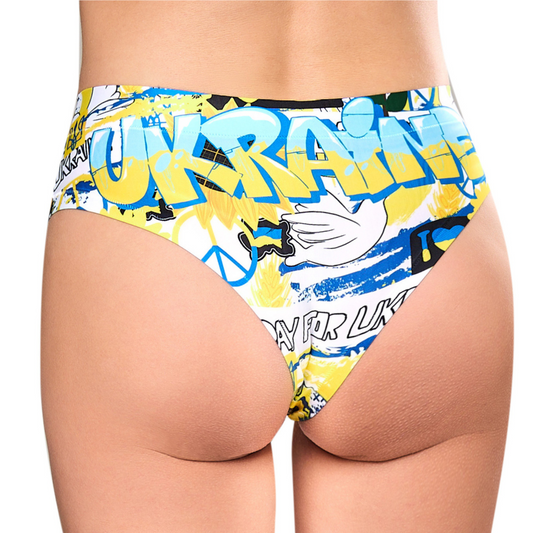
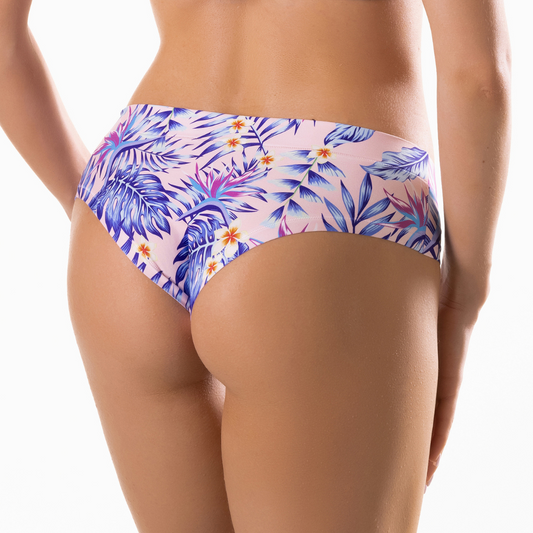
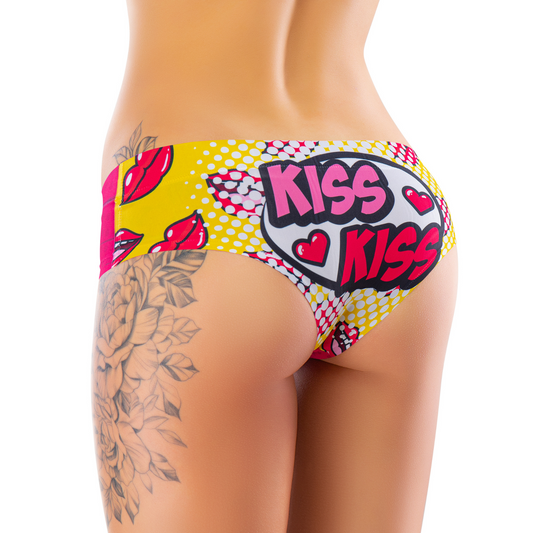
Lingerie is the one part of the wardrobe most people think about last, but it shapes everything worn on top of it. This guide covers the key categories, what fabrics actually feel like against the skin, how to find the right fit, and how to build a small collection that gets used every day.
1650 words,
8 minutes read time.
Last edited .
There is something most people never talk about when it comes to getting dressed: the part that happens first. Before the outfit, before the shoes, before any decision about color or silhouette, there is a layer that either supports everything sitting on top of it or quietly undermines it. Lingerie is that layer, and yet it tends to get the least amount of thought in most people's wardrobes.
That is starting to change. The conversation around foundation pieces has shifted considerably over the past several years, moving away from purely functional thinking toward something more considered. Comfort, fabric quality, fit, and the quiet confidence that comes from knowing what you are wearing underneath actually works for your body have all started to matter in ways they did not before.
This guide is for anyone who wants to build a lingerie wardrobe that is genuinely useful, not just a collection of pieces that look good in packaging. It covers the categories worth knowing, the fabric decisions that actually affect your daily life, how to find the right fit, and how to think about lingerie as part of a larger approach to personal style.
Why the Foundation Layer Shapes Everything Else
The most common wardrobe problem people encounter has nothing to do with the clothes themselves. A dress that bunches, a blouse that pulls across the back, trousers that sit oddly at the waist, these things are almost always a fit issue at the base layer, not at the garment. When the foundation is right, everything placed on top of it has a better chance of working.
This is not a small thing. Clothing is cut and draped with an assumed silhouette in mind, and that silhouette is determined largely by what is worn underneath. A well-fitting bra changes the proportions of a top. Seamless underwear allows the line of a skirt or trousers to fall cleanly without interruption. A well-structured bodysuit can replace the need for multiple separate pieces entirely, simplifying the process of getting dressed without sacrificing the result.
The practical upside of thinking about lingerie this way is that you actually end up needing less of it. A small number of pieces that genuinely fit and work with your wardrobe will serve you better than a drawer full of things you reach past every morning. Quality over quantity applies here more than almost anywhere else in fashion.
Beyond the functional argument, what you wear closest to your body affects how you carry yourself. There is no mysticism to this. When something fits properly and feels good against your skin, it is simply easier to move with ease and confidence. That is the real case for taking this part of the wardrobe seriously.
The Main Categories and What Each One Actually Does
The lingerie category is broad, and it helps to understand what the different types of pieces are actually designed to achieve before making any decisions about what to buy.
Everyday bras and underwear are the backbone of the wardrobe. These should prioritize comfort above everything else because they are worn the most often and for the longest stretches of time. Look for smooth, breathable fabrics, minimal hardware, and cuts that do not create pressure points over a full day of wear. If a piece feels slightly uncomfortable in the first five minutes, it will be genuinely uncomfortable by midday.
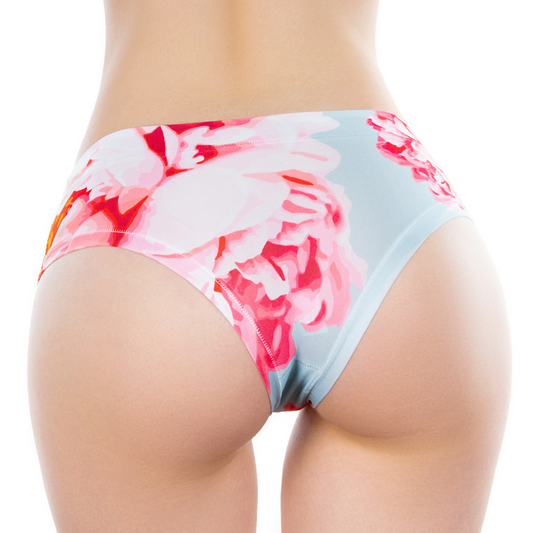
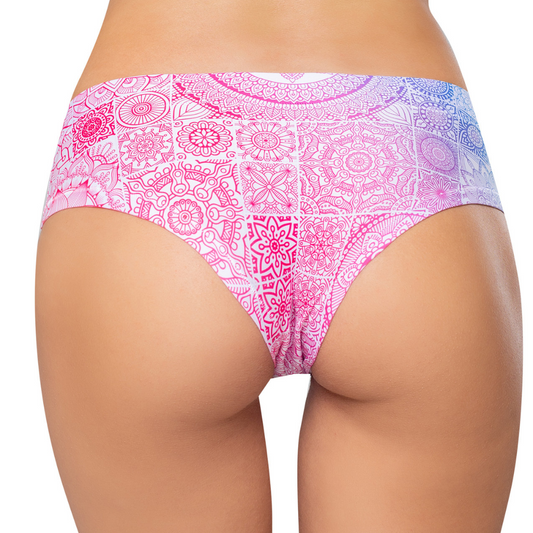
Seamless and no-show pieces exist for one purpose: to disappear under clothing. Laser-cut edges, microfiber construction, and neutral tones relative to your skin tone are the things to look for here. These are not the most interesting pieces in the drawer, but they are among the most used, and investing in quality versions makes a real difference to how fitted or lightweight clothing looks and feels.
Bodysuits have become one of the most versatile pieces in the modern wardrobe, sitting somewhere between lingerie and ready-to-wear. Tucked into trousers or worn under an open blazer, a well-fitting bodysuit creates a clean line and eliminates the shirt-untucking problem entirely. They range from very simple and functional to more detailed and decorative, which means there is a version appropriate for almost every occasion.
Lace and detailed pieces occupy the more aesthetic end of the spectrum. These are not worn for invisibility but for their own sake, as something worn primarily for yourself or as pieces intended to show partially under sheer fabric, an open neckline, or a loosely layered look. The quality of lace varies considerably, and softer, more flexible lace is worth the investment because rigid lace causes irritation with prolonged wear.
Loungewear and nightwear have evolved significantly and now include pieces that move easily between being worn at home and worn outside. A well-cut satin set or a relaxed-cut dress reads very differently depending on context, and the best versions of these pieces are comfortable enough to actually rest in while being finished enough to look intentional when you step out.
Fabric Is Not a Minor Detail
The fabric of a lingerie piece affects everything: how it feels against the skin, how it breathes, how it ages, and what it looks like under clothing. Understanding the basic differences before buying saves both money and frustration.
Cotton is breathable, soft, and gentle on sensitive skin. It is the right choice for everyday pieces that will be washed frequently, and it holds up well over time. The trade-off is that it does not smooth as cleanly under fitted clothing as synthetic fabrics do, and it tends to be more visible under lighter or thinner garments.
Microfiber and modal blends are the workhorses of the seamless category. They are smooth, stretch evenly, and dry quickly, which makes them practical for everyday wear. Good-quality versions feel genuinely soft rather than plasticky, and they hold their shape through repeated washing better than cheaper synthetic alternatives.
Silk and satin sit at the luxury end. Real silk is temperature-regulating, smooth against the skin, and has a natural sheen that does not look cheap the way lower-grade alternatives sometimes do. It requires more careful laundering, but for pieces worn close to the skin for longer periods, like a camisole or a layering piece, the difference in feel is substantial. Satin made from polyester can replicate the visual effect at a lower price point, but the sensory experience is different and the breathability is considerably lower.
Lace is typically made from nylon or cotton and the quality difference is immediately obvious. Soft, well-finished lace has a give and flexibility to it that allows it to sit against the body without digging in. Stiff lace, regardless of how it looks, will almost always cause irritation with prolonged wear. When in doubt, prioritize softness over visual intricacy.
Finding the Right Fit Without the Frustration
Sizing in lingerie is notoriously inconsistent across different ranges and styles. The same size from two different collections can fit completely differently, and this is one of the most common reasons people settle for pieces that are almost right rather than pieces that actually work.
The first thing to accept is that your size in lingerie is not a fixed number. Sizing can shift depending on the style, the fabric, the construction, and even the time of day. Treating sizing as a starting point rather than a fixed identity makes the whole process considerably less frustrating.
For bras specifically, the band does the majority of the support work, not the straps. If the straps are bearing most of the weight or digging into the shoulders, the band is usually too loose. A band that fits properly should sit horizontally across the back and allow two fingers underneath but no more. Cups that gap or overflow both indicate a cup size adjustment is needed, not a band adjustment.
For underwear and bottoms, the cut matters as much as the size. High-waisted cuts sit and behave very differently from low-rise cuts under clothing, and neither is objectively better. The question is which one works with the specific clothing you wear most often. It is worth having a few different cuts across your wardrobe rather than committing entirely to one style.
If you are exploring a new lingerie collection for the first time, ordering two sizes to compare is time well spent. The return trip is inconvenient, but the alternative is a piece that sits in the drawer unworn.
Building a Wardrobe That Actually Gets Used
Most lingerie wardrobes accumulate through impulse rather than intention, which is how people end up with a large number of pieces and still feel like they have nothing to wear. Building a small, deliberate collection is a better approach, and it does not require a large budget.
The foundation of a practical lingerie wardrobe is a few pieces in neutral tones that work under most clothing. Ivory, a nude tone relative to your skin, and black cover most situations. From there, adding one or two pieces with more detail or color gives the wardrobe some range without overcomplicating it.
Think about the clothing you actually wear most often and build the base layer backward from there. If you wear a lot of fitted knitwear, seamless pieces are the priority. If you wear structured tailoring, a well-fitting everyday bra does more work than anything else. If you wear mostly loose or relaxed clothing, comfort takes clear precedence over smoothing properties.
Care matters more with lingerie than with most other garments because the fabrics are more delicate and the construction is more precise. Hand washing or a gentle machine cycle in a mesh laundry bag, avoiding high heat in the dryer, and laying flat to dry rather than hanging will all significantly extend the life of quality pieces. A well-made piece looked after properly will outlast several cheaper alternatives treated carelessly.
Browse the full range of women's lingerie and foundation wear at Aysire to find the pieces that fit both your wardrobe and your daily life.
Measure the mouse sweep before the desk. Which size, why leather for a workday desk, what OSHA says about wrist rests, and a size chart that fits on a phone.
Measure the mouse sweep before the desk. Which size, why leather for a workday desk, what OSHA says about wrist rests, and a size chart that fits on a phone.
A pillow should earn its place when someone sits down. Compare square and lumbar shapes, check what comes in the package, and find a scale that works with your furniture.
A pillow should earn its place when someone sits down. Compare square and lumbar shapes, check what comes in the package, and find a scale that works with your furniture.
Seven items cover a week anywhere with a shower. The full dopp kit list in four groups, the airport rule that decides half of it, and the edit after every...
Seven items cover a week anywhere with a shower. The full dopp kit list in four groups, the airport rule that decides half of it, and the edit after every...
A jar, a bottle, and a surprisingly personal decision. From a soft scoop to a subtle sheen, the details that make a moisturizer feel right are smaller than the label...
A jar, a bottle, and a surprisingly personal decision. From a soft scoop to a subtle sheen, the details that make a moisturizer feel right are smaller than the label...