How to Choose a Watch You'll Actually Wear Every Day
Share
Buying a watch should not feel overwhelming. This guide breaks down the key differences between analog, digital, and smart watches, explains what case size and strap material actually mean for daily comfort, and shows how to pair a watch with the rest of your look without overthinking it.
1420 words,
7 minutes read time.
Last edited .
There is a quiet confidence that comes with wearing the right watch. Not the most expensive one, not necessarily the flashiest, just the one that fits your wrist, suits your life, and holds up over time. For something that covers such a small surface area, a watch carries a surprisingly large amount of weight in how you present yourself to the world. And yet most people still approach buying one the same way they did ten years ago: overwhelmed, scrolling endlessly, unsure what they are actually looking for.
This guide is meant to cut through that noise. Whether you are replacing a watch that finally gave out, buying your first proper timepiece, or simply curious about what is worth paying attention to right now, here is what actually matters and what you can comfortably ignore.
The Analog vs. Digital Question Nobody Asks Clearly Enough
Most watch conversations get stuck in comparisons before addressing a more fundamental question: do you actually want analog or digital?
Analog watches have long been associated with formality and style. There is a reason a suit and an analog watch feel like they belong together. The design language is timeless, and a dial that has not fundamentally changed in over a century is either obsolete or perfect. The watch industry has decided it is the latter, and for good reason.
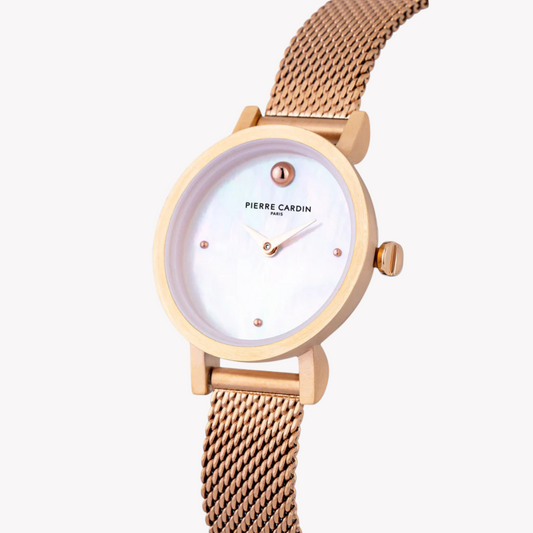
But analog is not just for dressing up anymore. Casual analog watches, especially those with minimalist dials, clean leather or fabric straps, and muted color palettes, are some of the most wearable pieces you can own. They move from morning meetings to weekend errands without asking you to change anything else about your outfit. A well-made analog with a simple, versatile design consistently sells well because the demand for a watch that just works never really goes away.
Digital watches have had something of a cultural rehabilitation over the past few years. Once considered purely functional, the kind of thing worn by runners or people who work outdoors, they have been reclaimed as a deliberate aesthetic choice. Certain reissued classics are worn today as a style statement as much as a utility tool. If your wardrobe leans toward streetwear or sport-influenced pieces, a digital face can be exactly right.
The honest answer is that most people benefit from having one of each. But if you are buying a single watch meant to carry you through most situations, analog still wins on versatility.
Case Size, Strap Material, and the Details That Actually Affect Comfort
A watch can look perfect in a photo and feel wrong on your wrist. Case size is one of the most overlooked variables when shopping online, and it is the easiest way for a timepiece to look off, either swallowing a slender wrist or sitting awkwardly small on a larger one.
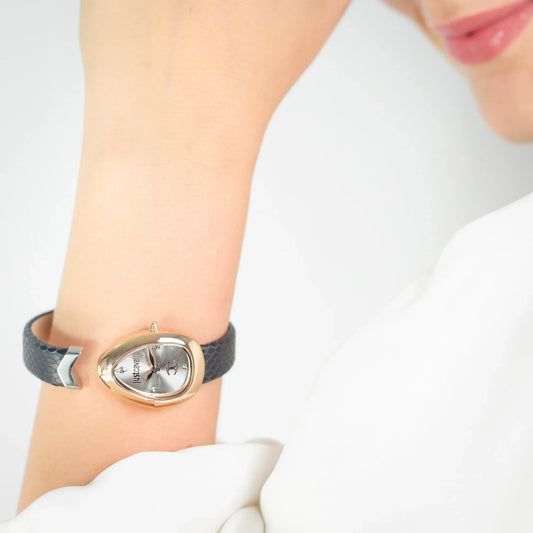
As a general reference, case diameters between 36mm and 40mm tend to be the most universally flattering. Women's watches often sit in the 28mm to 36mm range and carry a more refined proportion. Men's styles typically run 38mm to 44mm, though slimmer profiles are making a strong comeback. The thickness of the case matters too. A thinner watch slides under a shirt cuff far more comfortably than a chunky sports model.
Strap choice deserves more attention than it usually gets. Leather straps are classic, age well if properly maintained, and elevate almost any look. Steel bracelets feel more robust and are easier to clean, which makes them better suited for daily wear if you are not particularly careful with accessories. Silicone or rubber bands are built for activity and moisture, and they are the right call if your wrist regularly sees the inside of a gym or the outdoors. Fabric straps sit somewhere in the middle, casual, lightweight, and surprisingly durable.
One thing worth knowing: many watches are sold with interchangeable straps, which dramatically increases how often you will actually reach for them. A watch that comes with a brown leather strap but can be switched to a black canvas for the weekend is effectively two watches.
What Smart Watches Get Right and Where They Fall Short
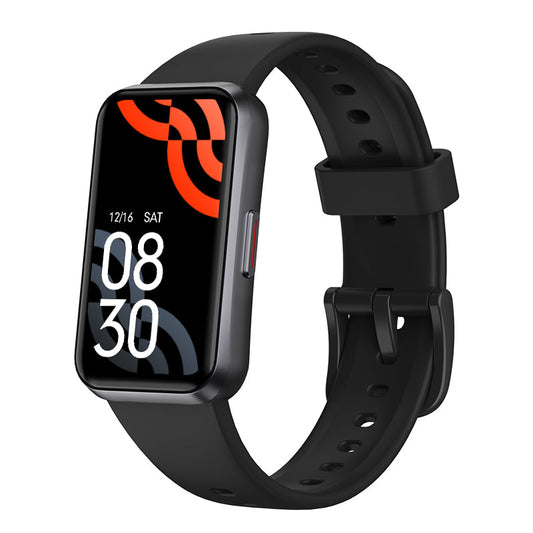
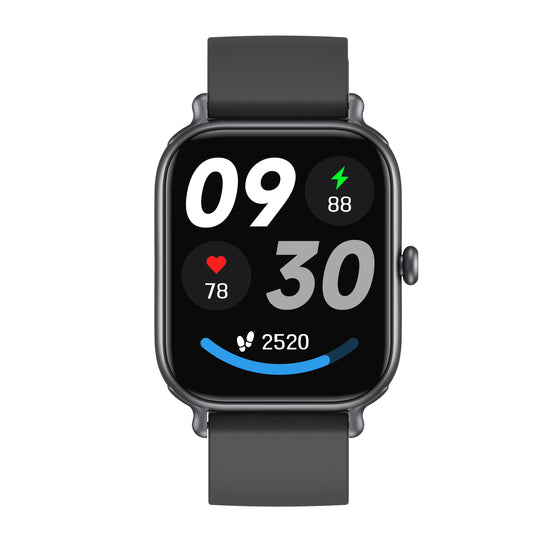
The smartwatch category has matured significantly and dismissing it wholesale would be a mistake. Hybrid models that look like traditional analog watches on the surface while quietly tracking steps, sleep, and heart rate underneath are genuinely worth considering. For someone who wants the aesthetic of a classic watch without giving up health-tracking features, this middle ground has become one of the most practical options in the market.
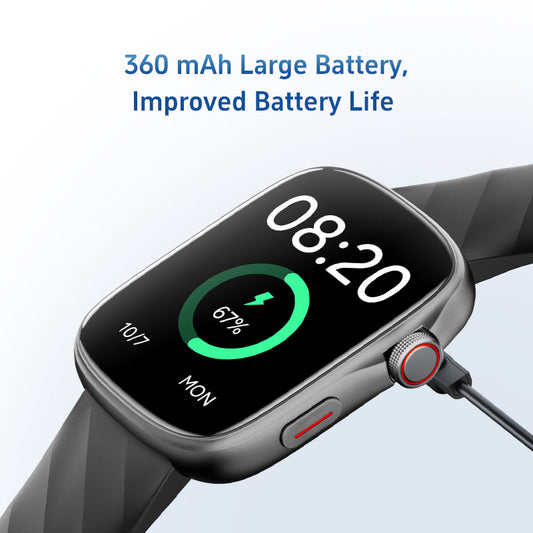
Where smartwatches still fall short is longevity, both physical and stylistic. Battery life remains a genuine inconvenience for most models. Charging a watch every day or two is a quality-of-life issue that adds up over time. The designs also tend to date faster because they are tied to screen proportions and tech aesthetics that shift with every product cycle. A well-built analog watch from five years ago looks just as good today as it did on release. A smartwatch from the same period often looks like exactly what it is.
For most people, the practical sweet spot is a reliable analog or hybrid as a daily watch alongside a smartwatch for workouts or health monitoring. You do not have to choose one or the other.
How to Read a Watch Collection Without Getting Lost
Browsing a broad watches for women and men collection can feel like being handed a menu with 300 options and no descriptions. A few anchoring principles help considerably.
Start with movement type. Quartz movements are battery-powered, accurate, low-maintenance, and the right choice for most everyday wear. Automatic movements are self-winding through wrist motion, which makes them more interesting mechanically and they tend to age better as collector pieces, but they require more care and typically cost more. For a first watch or a reliable daily driver, quartz is the smarter starting point.
Think about design language before you think about price. Some watches lean into fashion-forward aesthetics and are meant to be noticed. Others are understated, prioritizing craft and reliability over trend-driven design. Some carry a harder edge that suits certain wardrobes and looks out of place in others. None of these approaches is inherently better. The question is which one actually matches how you dress day to day.
Set a budget before you start browsing, not after. The watch market makes it genuinely easy to spend more than intended because the pricing tiers are so compressed at the lower end and so stretched at the top. Deciding in advance that you are shopping within a specific range focuses the decision considerably and saves a lot of time.
If a watch from a less-marketed name catches your eye, do not dismiss it. Some of the most interesting value in the current market comes from independent labels that put their money into build quality rather than advertising.
Pairing Watches With the Rest of Your Look
A watch does not exist in isolation. It sits alongside rings, bracelets, bags, and clothing, and the strongest looks treat it as part of a considered whole rather than an afterthought.
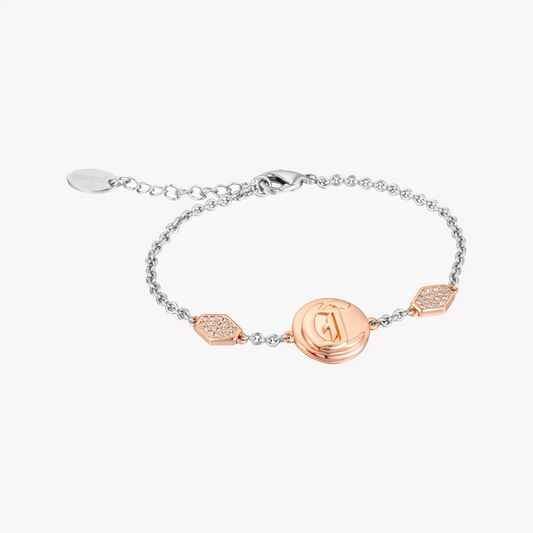
The most consistent pairing principle is metal matching. If your fashion jewelry and accessories tend toward silver tones, a silver-toned watch case and bracelet will feel cohesive in a way that mixed metals rarely achieve. Rose gold has become a versatile middle ground that works well with both warm and cool palettes. Yellow gold is bolder and rewards commitment. It looks intentional when worn consistently across your accessories, and scattered when it is not.
Watch-to-bag coordination is worth thinking about. A structured leather tote and a leather-strapped analog watch in the same tonal family create a pulled-together look that does not need explanation. A sporty smartwatch next to a formal handbag sends a slightly conflicted signal. Not a disaster, but noticeable if you care about those things.
For men, the connection between watch and shoes tends to matter more than watch and bag. Brown leather shoes paired with a brown leather strap, or black with black, is one of those basic style rules that still pays off every time. It is not exciting advice, but reliability is the point.
A well-chosen watch quietly elevates everything around it. It is one of the few accessories that works harder the less it tries to. A dial that does not compete with your outfit, a strap that sits cleanly against your wrist, proportions that suit your build: that is the formula. Everything else comes down to personal preference, and that is exactly how it should be.
Browse the full range of men's watches and women's fashion watches at Aysire to find the style that fits both your wrist and your wardrobe.
Shoes take more physical stress than almost anything else you wear, and a poorly made pair shows it fast. This guide covers what actually matters when buying footwear built to...
Shoes take more physical stress than almost anything else you wear, and a poorly made pair shows it fast. This guide covers what actually matters when buying footwear built to...
A handbag is used more than almost any accessory yet often chosen with the least thought. This guide looks past first impressions to what actually determines how a bag holds...
A handbag is used more than almost any accessory yet often chosen with the least thought. This guide looks past first impressions to what actually determines how a bag holds...
Perfume that disappears within two hours is one of the most common fragrance frustrations, and it is almost always fixable. This guide breaks down every factor that affects how long...
Perfume that disappears within two hours is one of the most common fragrance frustrations, and it is almost always fixable. This guide breaks down every factor that affects how long...
Most people have seen fragrance note lists but few know what they actually mean in practice. This guide explains how top, heart and base notes work, what the most important...
Most people have seen fragrance note lists but few know what they actually mean in practice. This guide explains how top, heart and base notes work, what the most important...



![Fashion Smart Watches for Women [Make Call/Answer/400+Watch Face] Android Phones iPhone Compatible, Fitness Tracker Watch for Women Activity Tracker-0](http://aysire.com/cdn/shop/files/6_cd9ff3e3-5e5e-4e7d-ad58-bee7f0ea5c3d.jpg?v=1781076845&width=533)
![Fashion Smart Watches for Women [Make Call/Answer/400+Watch Face] Android Phones iPhone Compatible, Fitness Tracker Watch for Women Activity Tracker-1](http://aysire.com/cdn/shop/files/1_3ebaf211-28ac-4a91-9663-cd91ac2b23fb.jpg?v=1781076845&width=533)