The coconut oil on this page turns up in sprays rather than in anything you rub in. In a room spray or a body mist the oil is doing a job people rarely associate with it: dissolving fragrance and carrying it into the air. It is a solvent here, not a skin ingredient.
-
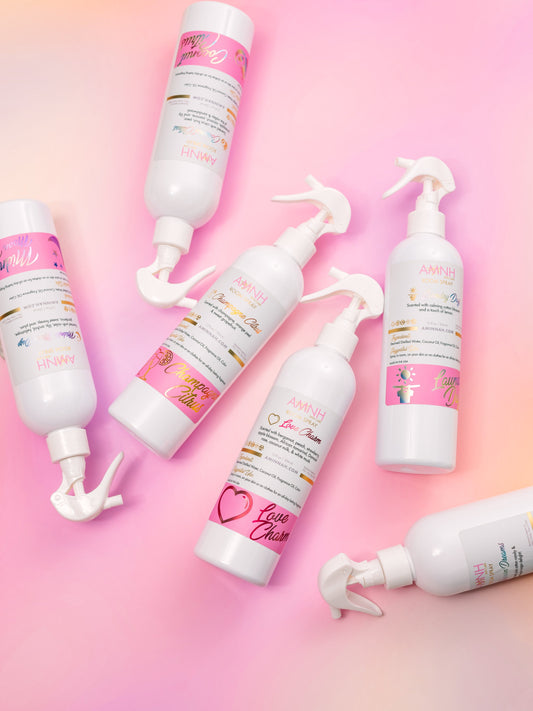
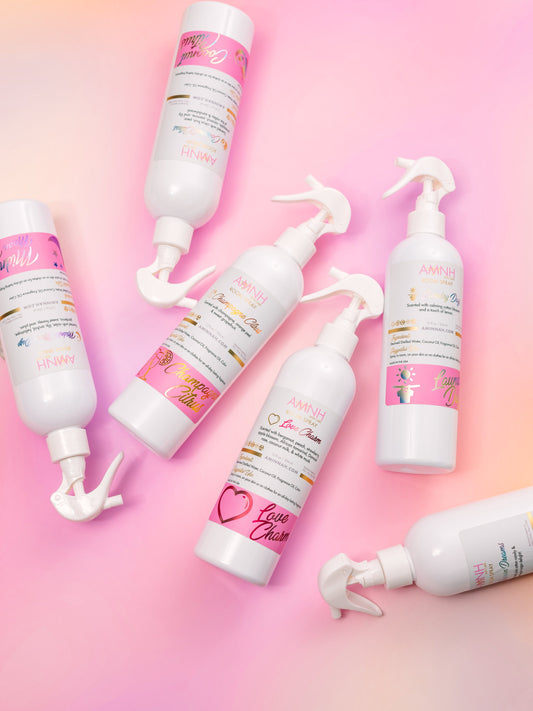
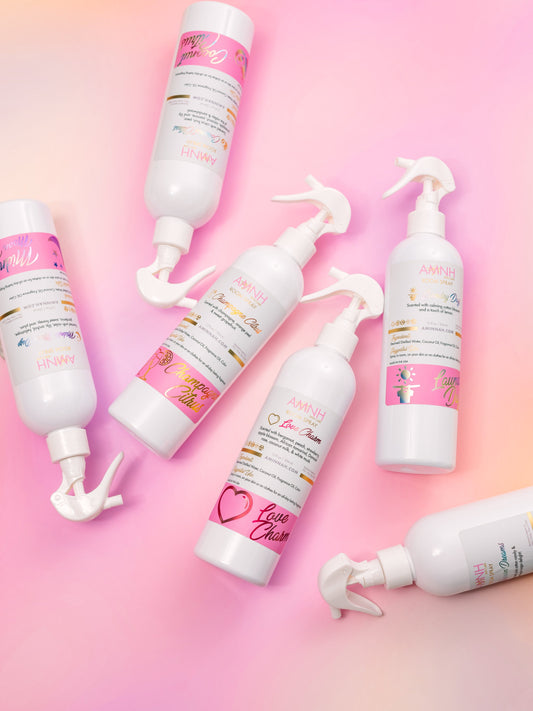
Champagne Citrus Room Spray with Orange and Grapefruit
Vendor:AMINNAHRegular price $46.95 USDRegular price -
Cotton Blossom and Lemon Room Spray
Vendor:AMINNAHRegular price $46.95 USDRegular price -
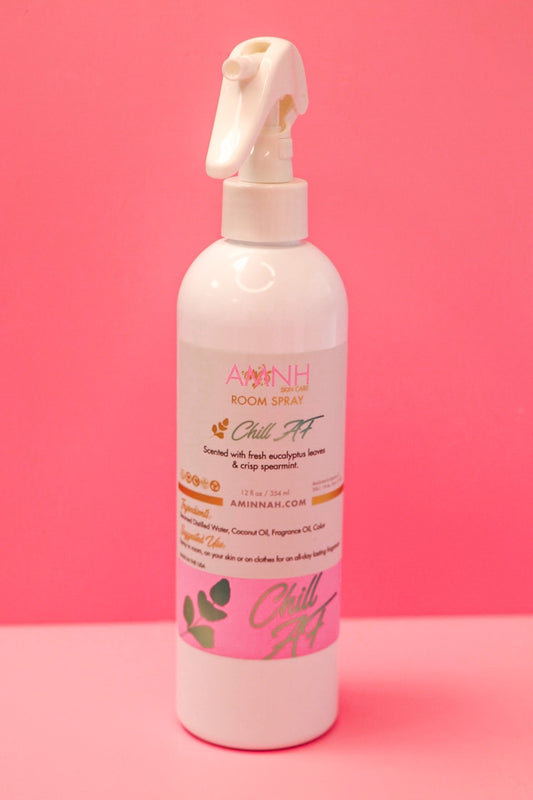
Eucalyptus and Spearmint Room Spray
Vendor:AMINNAHRegular price $46.95 USDRegular price -
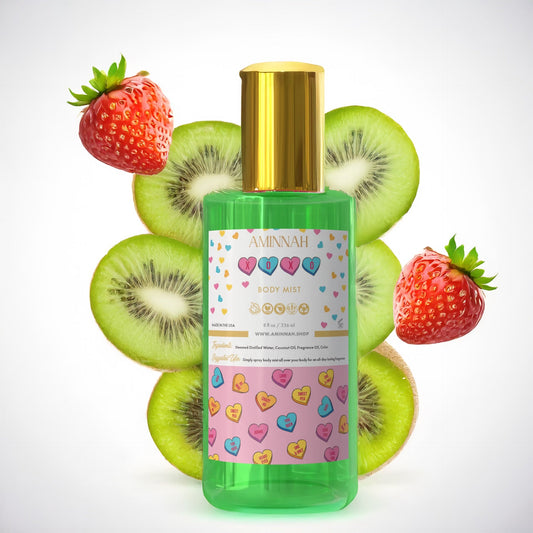
Lightweight Body Mist in Four Fruity Scents
Vendor:AMINNAHRegular price From $54.95 USDRegular price -
Midnite Moon Daze Room Spray with Violet and Orchid
Vendor:AMINNAHRegular price $46.95 USDRegular price -
Unicorn Dreams Room Spray in Pink Cotton Candy
Vendor:AMINNAHRegular price $46.95 USDRegular price






Guides for Beauty
View all-

How Long Should a Perfume Last?
Perfume that disappears within two hours is one of the most common fragrance frustrations, and it is almost always fixable. This guide breaks down every factor that affects how long...
How Long Should a Perfume Last?
Perfume that disappears within two hours is one of the most common fragrance frustrations, and it is almost always fixable. This guide breaks down every factor that affects how long...
-

What Fragrance Notes Actually Mean
Most people have seen fragrance note lists but few know what they actually mean in practice. This guide explains how top, heart and base notes work, what the most important...
What Fragrance Notes Actually Mean
Most people have seen fragrance note lists but few know what they actually mean in practice. This guide explains how top, heart and base notes work, what the most important...
-

How to Find Your Signature Scent
A signature scent is one of the few elements of personal style that operates below the level of conscious decision-making, leaving an impression before you have said a word. This...
How to Find Your Signature Scent
A signature scent is one of the few elements of personal style that operates below the level of conscious decision-making, leaving an impression before you have said a word. This...
-

Skin First, Makeup Second: Why Minimalist Beauty Is Winning
Minimalist beauty is not a trend. It is a reorientation, driven by a generation that has developed a sophisticated appetite for something more real. This guide makes the case for...
Skin First, Makeup Second: Why Minimalist Beauty Is Winning
Minimalist beauty is not a trend. It is a reorientation, driven by a generation that has developed a sophisticated appetite for something more real. This guide makes the case for...


