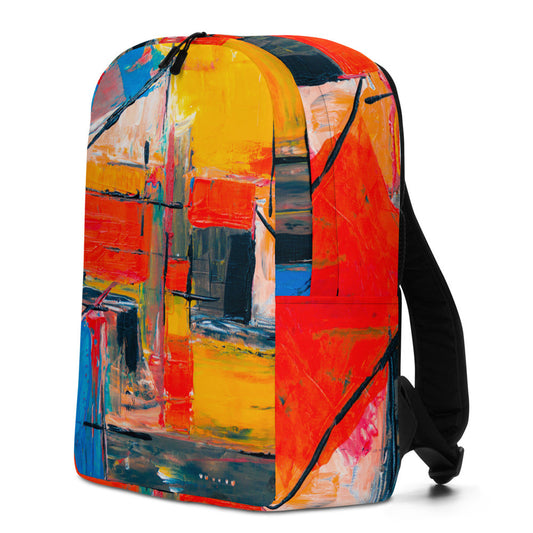
A Complete Guide to Women’s Bags: Styles, Sizes, and Practical Use
Share
A complete guide to women’s bags, exploring styles, sizes, and practical use. Learn how different bag designs fit daily routines, work life, and special occasions.
782 words,
3 minutes read time.
Last edited .
Women’s bags are more than simple accessories. They play an essential role in daily life by combining functionality, organisation, and personal style. From busy workdays to relaxed weekends and special occasions, the right bag supports both practical needs and aesthetic preferences. Understanding different bag styles, sizes, and how they fit into everyday routines helps make more confident and long-lasting choices.
This guide explores the most common types of women’s bags, explains how size impacts usability, and highlights practical factors that should be considered before choosing a bag.
Women’s bags are often defined by their style and structure. Each style is designed with a specific purpose in mind, even when appearance takes centre stage. Shoulder bags are among the most versatile options, offering enough space for daily essentials while remaining comfortable to carry for extended periods. Their balanced design makes them suitable for both casual and semi-formal settings. Crossbody bags, on the other hand, prioritise mobility and ease. By distributing weight evenly across the body, they allow hands-free movement and are often preferred for active days, travel, or city life.
Tote bags are recognised for their generous capacity and simple structure. They are commonly chosen for work, errands, or days that require carrying multiple items. While their open design provides flexibility, internal organisation becomes especially important to maintain convenience. Structured handbags focus more on shape and visual presence. Their defined form creates a polished look that works well in professional or formal environments, while also helping keep contents organised.
Smaller bag styles serve a different purpose. Compact shoulder bags and clutches are designed for minimal carry and are typically used for social events or evenings out. These styles shift the focus from practicality to proportion and elegance, complementing outfits without drawing attention away from them.
Size plays a critical role in how a bag functions on a daily basis. Small bags are ideal when only essentials such as a phone, wallet, and keys are needed. They encourage simplicity and reduce unnecessary weight, making them comfortable for short outings or events. Medium-sized bags offer a balance between space and convenience. They are often considered the most practical option for everyday use, as they provide enough room for daily necessities without becoming bulky.
Large bags are best suited for demanding schedules that require carrying more items. Workdays, travel, or long outings often benefit from larger designs that accommodate documents, devices, or additional personal items. However, size should always be matched with comfort. An oversized bag that becomes too heavy can quickly lose its practicality, regardless of how stylish it appears.
Beyond style and size, practical use is influenced by how a bag is constructed. Internal compartments help organise belongings and reduce the time spent searching for items. Secure closures such as zips or magnetic fastenings offer peace of mind, especially in busy environments. Strap length and adjustability directly affect comfort, particularly for bags worn throughout the day.
Material choice also impacts both function and longevity. Softer materials tend to be lightweight and flexible, adapting easily to movement and daily use. More structured materials provide shape and durability, helping the bag maintain its appearance over time. The choice between the two often depends on lifestyle and how frequently the bag will be used.
Comfort is an often underestimated factor when choosing a bag. The way a bag sits on the shoulder or across the body can influence posture and overall ease of movement. Wider straps generally distribute weight more evenly, while padded or reinforced straps add extra comfort for heavier loads. A bag that feels comfortable when empty may feel very different once filled, making it important to consider real-life use rather than appearance alone.
Practicality also extends to versatility. Bags that transition easily between different settings offer greater long-term value. Neutral colours, clean lines, and timeless shapes allow a single bag to work across multiple outfits and occasions. This adaptability reduces the need for frequent replacements and supports a more thoughtful approach to building a bag collection.
Lifestyle plays a defining role in determining the most suitable bag. Someone with a fast-paced routine may prioritise hands-free designs and secure closures, while others may value spacious interiors or structured silhouettes. Travel habits, work requirements, and personal style preferences all contribute to what makes a bag truly practical.
Ultimately, understanding women’s bags goes beyond recognising trends. It involves evaluating how styles, sizes, and design details interact with daily life. A well-chosen bag supports organisation, enhances comfort, and complements personal style without unnecessary compromise.
By focusing on purpose, proportion, and practicality, it becomes easier to select bags that remain useful and relevant over time. Rather than following short-lived trends, investing in functional and adaptable designs ensures that each bag serves as a reliable companion for both everyday moments and special occasions.
The school year ends, the days lose their shape, and devices quietly fill the gap. Very few parents choose this; it simply happens because reaching for a screen is easier...
The school year ends, the days lose their shape, and devices quietly fill the gap. Very few parents choose this; it simply happens because reaching for a screen is easier...
Every room has a rhythm that drifts out of sync when the weather turns. Suddenly the space feels heavier or darker than it should, and the urge is to change...
Every room has a rhythm that drifts out of sync when the weather turns. Suddenly the space feels heavier or darker than it should, and the urge is to change...
A packed closet and nothing to wear is a coherence problem, not a shortage one. A capsule wardrobe fixes it with a smaller set of pieces that all work together,...
A packed closet and nothing to wear is a coherence problem, not a shortage one. A capsule wardrobe fixes it with a smaller set of pieces that all work together,...
Shoes take more physical stress than almost anything else you wear, and a poorly made pair shows it fast. This guide covers what actually matters when buying footwear built to...
Shoes take more physical stress than almost anything else you wear, and a poorly made pair shows it fast. This guide covers what actually matters when buying footwear built to...