A black dress is bought to be worn repeatedly, which makes it the one purchase to judge on how it holds up rather than on how it looks new. Everything about choosing one follows from that. The question is not whether it works this weekend but whether it still works in a year.
-
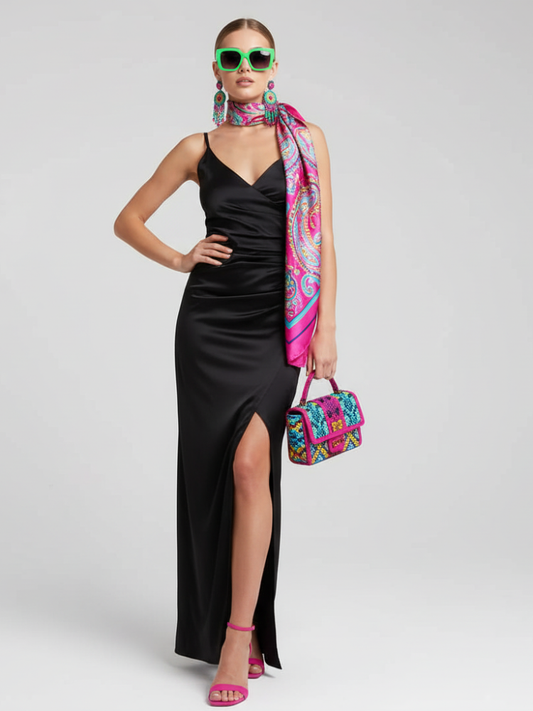
Women's Black Backless V-Neck Maxi Dress
Vendor:BYMANYC ® New YorkRegular price $387.95 USDRegular price -
Women's Black Maxi Dress for Resort and Travel
Vendor:BYMANYC ® New YorkRegular price $348.95 USDRegular price -
Women's Embellished Strapless Mini Dress in Black
Vendor:BYMANYC ® New YorkRegular price $374.95 USDRegular price -
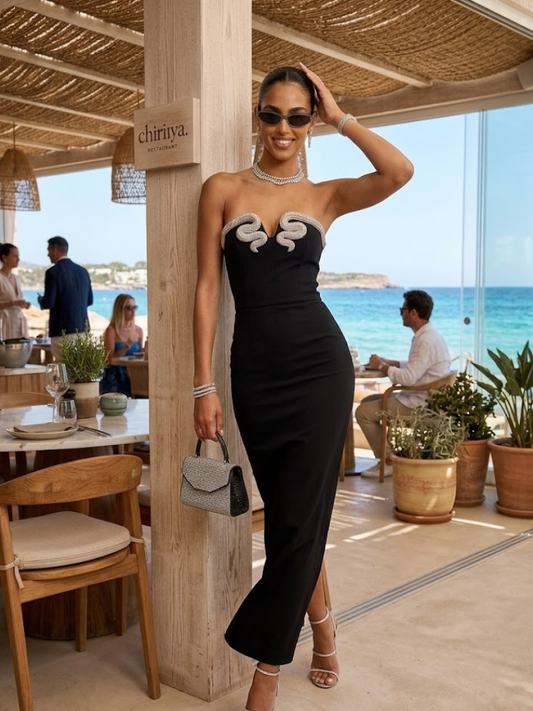
Women's Fitted Strapless Column Maxi Dress in Black
Vendor:BYMANYC ® New YorkRegular price $387.95 USDRegular price -
Women's Midi Dress Crystal Halter Neck Ribbed Knit Black
Vendor:BYMANYC ® New YorkRegular price $387.95 USDRegular price -
Women's Strapless Embellished Midi Dress Black
Vendor:BYMANYC ® New YorkRegular price $504.95 USDRegular price -
Women's Strapless Midi Dress in Black with Clean Neckline
Vendor:BYMANYC ® New YorkRegular price $335.95 USDRegular price







Guides for Apparel
View all-

How to Build a Capsule Wardrobe That Works
A packed closet and nothing to wear is a coherence problem, not a shortage one. A capsule wardrobe fixes it with a smaller set of pieces that all work together,...
How to Build a Capsule Wardrobe That Works
A packed closet and nothing to wear is a coherence problem, not a shortage one. A capsule wardrobe fixes it with a smaller set of pieces that all work together,...
-

Guide to Everyday Clothing That Balances Style, Comfort, and Longevity
Modern apparel is about versatility, comfort, and longevity. This guide explores how everyday clothing can support personal style, adapt to modern lifestyles, and deliver long term value without relying on...
Guide to Everyday Clothing That Balances Style, Comfort, and Longevity
Modern apparel is about versatility, comfort, and longevity. This guide explores how everyday clothing can support personal style, adapt to modern lifestyles, and deliver long term value without relying on...
-

How to Style Apparel Pieces for Different Occasions
Styling apparel is about adaptability, not excess. Learn how to transform everyday clothing into outfits suitable for different occasions while maintaining comfort, balance, and personal style.
How to Style Apparel Pieces for Different Occasions
Styling apparel is about adaptability, not excess. Learn how to transform everyday clothing into outfits suitable for different occasions while maintaining comfort, balance, and personal style.
-

Everyday Apparel Essentials
Everyday apparel essentials form the foundation of a functional wardrobe. Discover which clothing pieces deliver comfort, style, and versatility while supporting modern daily lifestyles.
Everyday Apparel Essentials
Everyday apparel essentials form the foundation of a functional wardrobe. Discover which clothing pieces deliver comfort, style, and versatility while supporting modern daily lifestyles.


