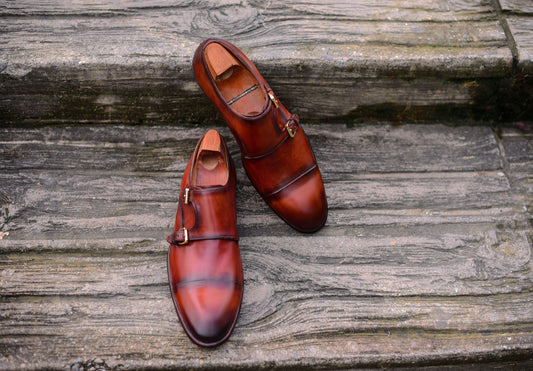
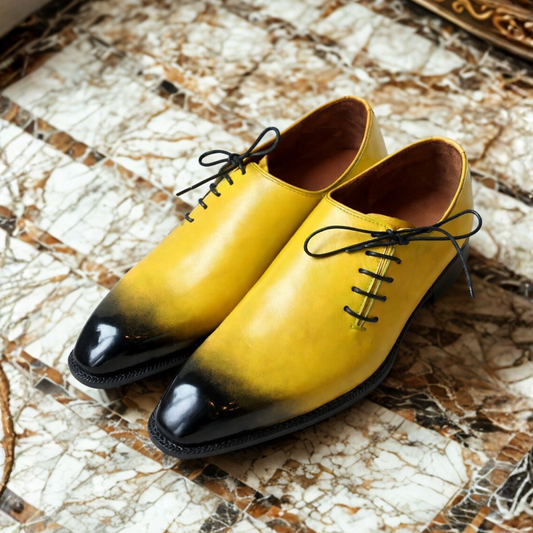
The Ultimate Shoe Care Bible: How to Maintain Leather and Suede for Longevity
Share
High quality footwear is an investment that should last for years. Learn the professional secrets to cleaning, conditioning, and storing your collection to ensure your shoes always look brand new.
1359 words,
6 minutes read time.
Last edited .
Footwear is often the most overlooked part of a wardrobe when it comes to maintenance, yet it is the part that faces the most rigorous daily challenges. Every time you step out of the door, your shoes encounter dust, moisture, friction, and varying temperatures. For those who view fashion as an investment, understanding the science of shoe care is essential. Proper maintenance does not just keep your shoes looking aesthetically pleasing; it preserves the structural integrity of the materials, ensuring that a premium pair of shoes can last for a decade rather than a single season.
The philosophy of shoe care begins with the understanding that leather is an organic material. Much like your own skin, it requires hydration to stay supple and protection to resist environmental damage. When leather loses its natural oils, it becomes brittle, leading to cracks that are often impossible to repair. By establishing a consistent care routine, you are effectively extending the life of your investment and contributing to a more sustainable fashion cycle.
The Foundation of Leather Care
To care for leather correctly, one must first understand what it is. Most high quality shoes are made from full grain or top grain leather, which contains a complex network of fibres. When these fibres get wet or dry out, they can stiffen and break. The first step in any care routine is regular cleaning. Dust and mud act as abrasives; if left on the surface, they can scratch the leather or get ground into the pores, causing permanent discolouration.
A professional cleaning routine should always start with a soft horsehair brush. Brushing removes loose debris without scratching the finish. For deeper cleans, a damp cloth with a specialized leather soap is necessary. It is crucial to avoid using harsh household detergents, as these strip away the essential oils that keep the leather flexible. Once cleaned, leather must always be allowed to air dry naturally. Never place shoes near a radiator or use a hair dryer, as extreme heat causes the leather to shrink and crack.
The Crucial Step of Conditioning
Conditioning is perhaps the most vital part of the maintenance process. A high quality leather conditioner acts as a moisturiser for your shoes. It penetrates the pores and lubricates the fibres from within. This is what keeps your shoes soft and prevents the unsightly "vamp creases" from turning into permanent cracks.
For the best results, apply the conditioner in small, circular motions using a microfiber cloth. Allow the leather to absorb the treatment for at least twenty minutes before buffing away any excess. This process should be repeated every few months, or more frequently if you live in a particularly dry or harsh climate. When leather is properly conditioned, it develops a beautiful patina over time, a characteristic of high quality footwear that cannot be replicated by synthetic materials.
Mastering the Art of Polishing
While conditioning is about health, polishing is about protection and aesthetics. A good shoe polish provides a thin layer of wax on the surface of the shoe, which acts as a barrier against water and stains. It also restores colour that may have faded due to sun exposure or scuffing.
There are two main types of polish: cream and wax. Cream polishes contain more pigment and are excellent for restoring colour and providing a soft glow. Wax polishes contain more hard waxes like carnauba, which are essential for achieving a high shine or "mirror gloss" on the toe cap. For a standard maintenance routine, a cream polish is usually sufficient. It fills in small scratches and ensures the leather looks vibrant and rich.
The Unique Challenges of Suede and Nubuck
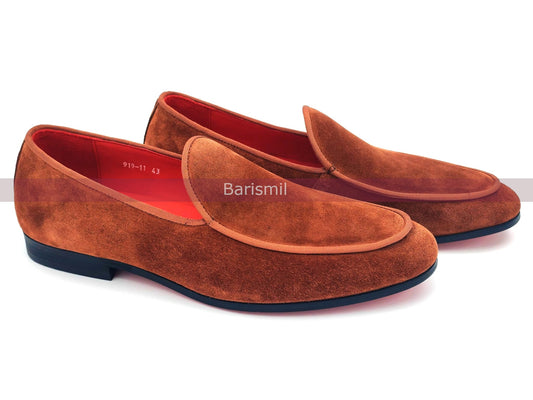
Suede is often unfairly labeled as a high maintenance material that should be avoided in poor weather. However, with the right tools, suede is remarkably resilient. Unlike smooth leather, suede has a "nap" or a fibrous surface that can trap dust and flattened over time.
The most important tool for any suede owner is a suede brush, which often features both brass and nylon bristles. Brushing the nap regularly keeps it looking fresh and lifts away dry surface dirt. If you encounter a liquid stain on suede, the golden rule is to blot, never rub. Rubbing pushes the liquid deeper into the fibres. For stubborn marks, a suede eraser can be used to gently "sand" away the stain without damaging the texture.
Protection is the best strategy for suede. A high quality waterproofing spray should be applied before the first wear and reapplied every few weeks. Modern sprays create an invisible molecular barrier that causes water and oil to bead off the surface rather than soaking in. With this simple step, suede can be worn confidently in almost any environment.
The Importance of Shoe Trees and Storage
Maintenance does not end when you take your shoes off. In fact, how you store your shoes is just as important as how you clean them. When you wear shoes all day, the leather absorbs moisture from your feet. As the leather dries, it tends to curl and lose its shape.
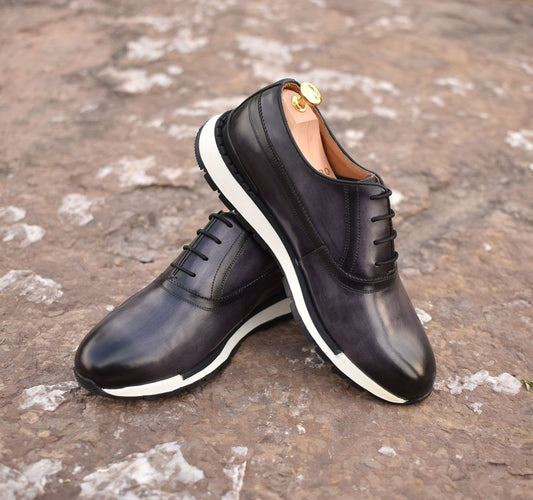
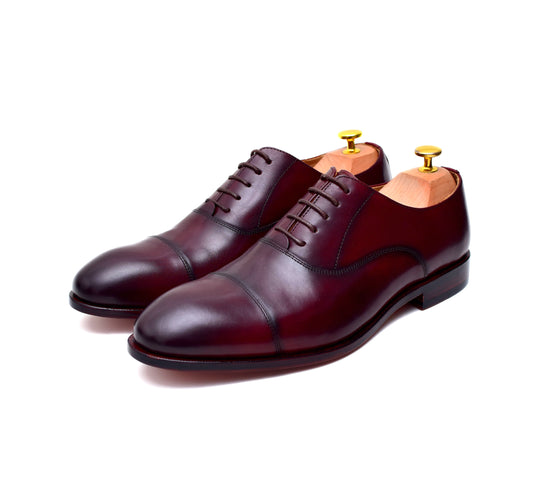
This is where cedar shoe trees become indispensable. A shoe tree maintains the original shape of the shoe, smoothing out creases and preventing the toe from curling upwards. Furthermore, cedar wood is naturally absorbent and antimicrobial. It wicks away moisture and neutralises odours, keeping the interior of your shoes fresh. If you are serious about footwear longevity, shoe trees are a non negotiable investment for every pair of leather shoes or boots in your collection.
When it comes to long term storage, avoid plastic boxes. Plastic traps moisture, which can lead to the growth of mould and mildew. Instead, use breathable cotton dust bags. These protect the shoes from light and dust while allowing the air to circulate. Always store your shoes in a cool, dry place away from direct sunlight, as UV rays can bleach the leather and cause it to dry out prematurely.
Rotation: The Secret to Longevity
One of the simplest yet most effective ways to maintain your shoes is to avoid wearing the same pair two days in a row. This is known as shoe rotation. Leather needs at least twenty four hours to fully dry out and return to its natural shape after a day of wear. By rotating between two or three pairs, you allow each pair the necessary "recovery time." This simple habit can effectively double the lifespan of your footwear, as it prevents the constant build up of moisture that weakens the leather fibres.
Knowing When to Visit a Cobbler
Even with the best home care, certain parts of a shoe will eventually wear down. The most common areas are the heel tips and the outsoles. A key part of shoe maintenance is knowing when to seek professional help. Replacing a heel tip is a quick and inexpensive procedure that prevents the actual heel stack from being damaged.
Similarly, if you have a high quality pair of Goodyear welted or Blake stitched shoes, the entire sole can be replaced when it wears thin. This is the ultimate form of sustainable fashion. Instead of discarding a perfectly good pair of leather uppers, a cobbler can give them a "second life" with a brand new sole. Taking your shoes for a professional check up once a year ensures that small issues are fixed before they become irreparable problems.
The Environmental Impact of Care
By dedicating time to shoe maintenance, you are making a conscious choice to move away from the culture of disposable fashion. High quality leather shoes represent a significant use of resources; by making them last for many years, you reduce your overall environmental footprint. Care is an act of respect for the craftsmanship that went into the product and a commitment to mindful consumption.
In summary, the secret to a long lasting footwear collection is a combination of the right tools, the right materials, and a little bit of time. From the regular use of cedar shoe trees to the occasional application of leather conditioner, these small actions pay huge dividends in the form of shoes that look better and feel more comfortable with every passing year. Your shoes carry you through the world; it is only fair that you take the time to care for them in return.
Shoes take more physical stress than almost anything else you wear, and a poorly made pair shows it fast. This guide covers what actually matters when buying footwear built to...
Shoes take more physical stress than almost anything else you wear, and a poorly made pair shows it fast. This guide covers what actually matters when buying footwear built to...
A handbag is used more than almost any accessory yet often chosen with the least thought. This guide looks past first impressions to what actually determines how a bag holds...
A handbag is used more than almost any accessory yet often chosen with the least thought. This guide looks past first impressions to what actually determines how a bag holds...
Perfume that disappears within two hours is one of the most common fragrance frustrations, and it is almost always fixable. This guide breaks down every factor that affects how long...
Perfume that disappears within two hours is one of the most common fragrance frustrations, and it is almost always fixable. This guide breaks down every factor that affects how long...
Most people have seen fragrance note lists but few know what they actually mean in practice. This guide explains how top, heart and base notes work, what the most important...
Most people have seen fragrance note lists but few know what they actually mean in practice. This guide explains how top, heart and base notes work, what the most important...