Too cold for sandals but too hot for winter boots? Navigating the "in-between" seasons requires a strategic approach to footwear. This ultimate guide covers everything you need to stay chic and dry.
1153 words,
5 minutes read time.
Last edited .
The weather is famously unpredictable. It is a cultural cliché for a reason; we are often treated to all four seasons in a single afternoon. This poses a significant challenge for the modern woman’s wardrobe, particularly when it comes to footwear. There is a specific window in the year, during the transition from late summer to early autumn, and again from late winter into spring, where the fashion stakes are at their highest and the margin for error is slim. You do not want to be caught in heavy shearling boots during a surprise April heatwave, nor do you want to be wearing delicate suede slides when a sudden October downpour hits.
Mastering transitional footwear is not just about staying dry or warm; it is about maintaining a cohesive style aesthetic that feels appropriate for the light and the temperature. This period of "in-between" dressing is actually one of the most exciting times for fashion lovers. It allows for creative layering, the mixing of textures, and the opportunity to wear shoe styles that might feel too heavy for summer or too exposed for the depths of January.
The Rise of the Year-Round Loafer
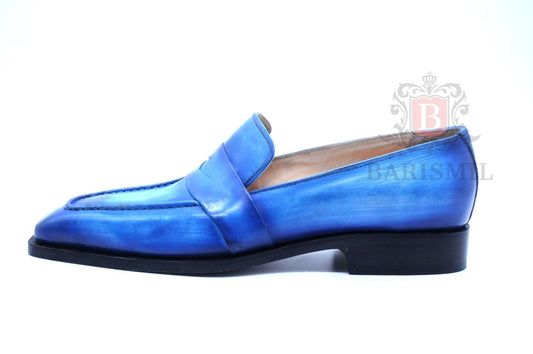
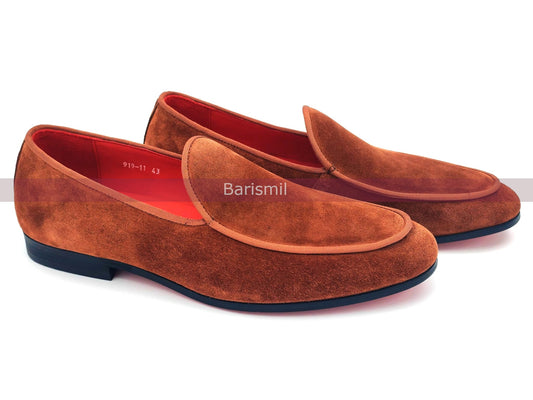
If there is one shoe that defines transitional dressing, it is the leather loafer. Historically associated with academic circles and masculine tailoring, the modern loafer has been reclaimed as a feminine staple that offers more coverage than a ballet flat but more breathability than a boot. The beauty of a high quality loafer lies in its adaptability.
During the early autumn, you might wear them with bare ankles and a lightweight trench coat. As the temperature drops, the loafer undergoes a transformation through the clever use of hosiery. One of the most prominent trends in fashion right now is the pairing of loafers with socks. This is not just a stylistic choice; it is a functional one. A pair of crisp white cotton socks or even sheer patterned hosiery adds a layer of insulation while keeping the look contemporary and sharp.
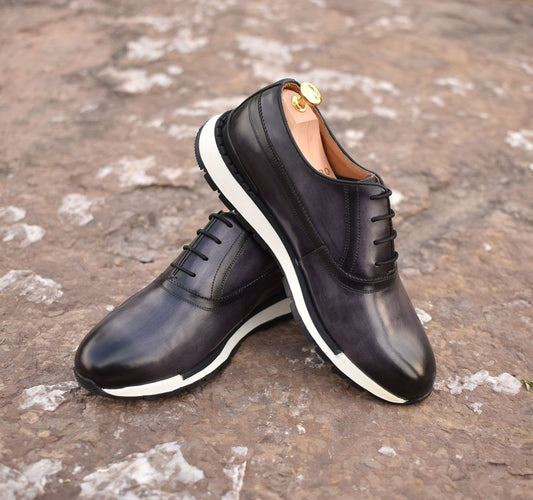
When selecting a loafer for transitional weather, consider the sole. A chunky track sole is particularly useful for pavements, as it provides a slight elevation from the damp ground, keeping the leather upper away from puddles and mud. This added height also balances out the heavier fabrics we tend to wear in autumn, such as wool blends and corduroy.
The Ankle Boot: A Seasonal Powerhouse
As we move deeper into the transitional period, the ankle boot becomes the undisputed protagonist of the wardrobe. However, the transitional ankle boot is a different beast compared to its winter counterpart. While winter boots focus on heavy insulation and waterproof linings, the transitional version is all about silhouette and versatility.
The key to a successful transitional boot is the shaft height and width. A boot that sits closely to the ankle looks incredibly chic when paired with "midi" length skirts and dresses, bridging the gap between the hemline and the foot. This prevents the "chopped" visual effect that can make legs look shorter. Furthermore, the material choice is paramount. While suede boots offer a beautiful texture that complements the softness of spring and autumn light, they require significant preparation. Using a high quality protector spray is essential to ensure a sudden shower does not ruin the finish.
For those who prefer a more rugged look, the Chelsea boot remains a timeless classic. Its elasticated side panels make it easy to slip on and off, and its clean lines mean it can be worn with everything from feminine floral dresses to distressed denim. The goal of transitional dressing is to create an outfit that looks as good in a sunlit park as it does in a rain-splashed cafe, and the ankle boot achieves this effortlessly.
The Hybrid Appeal of the Mule and Slingback
In the spring, when we are desperate to shed our heavy winter layers but the air still carries a chill, the closed-toe mule and the slingback are the perfect solutions. These styles offer the "mental relief" of a summer shoe because they expose the heel, yet they protect the toes from the wind.
A leather slingback with a low block heel is perhaps one of the most sophisticated choices a woman can make. It carries an air of French-inspired minimalism that works beautifully with cropped trousers. Because the toes are enclosed, you maintain a level of formality that a sandal cannot provide, making it an excellent choice for the office during the months of May and September.
When wearing these open-heel styles, the focus shifts to the health of the skin. Transitional dressing often requires a transition in our beauty routines as well, moving from the hidden feet of winter to the partially exposed styles of spring. A well-maintained heel is the best accessory for a slingback or mule.
Texture, Colour, and Material Strategy
One of the most overlooked aspects of transitional footwear is the colour palette. In the spring, we naturally gravitate towards neutral tones, such as cream, beige, and tan. These colours reflect the increasing light and pair perfectly with the lighter denim washes we favour as the days get longer. Conversely, in the autumn, we look toward richer tones like oxblood, chocolate brown, and forest green. These shades mimic the changing leaves and provide a visual "weight" that anchors heavier transitional coats.
Material choice is equally functional. Patent leather is a secret weapon for transitional weather. Because of its treated surface, it is naturally more water-resistant than standard leather or suede. A patent loafer or boot can withstand a light rain shower and be wiped clean in seconds, making it the ultimate "commuter chic" choice for an unpredictable London morning.
Mastering Proportions and Layering
The true art of transitional dressing lies in balancing proportions. When you wear a heavier shoe, such as a platform trainer or a lug-sole boot, your upper body layers need to match that visual weight. A chunky knit or an oversized blazer works perfectly. If you are wearing a delicate slingback or a flat loafer, a lighter trench coat or a silk blouse creates a harmonious look.
We must also discuss the role of insoles and hosiery. Transitional weather often means cold mornings and warm afternoons. Wearing leather shoes without socks can lead to discomfort as the day warms up. High quality leather is breathable, but adding a thin leather insole can help manage moisture and provide extra cushioning for those long walks through the city.
Sustainability and Longevity
In a world of fast fashion, the transitional wardrobe is an opportunity to slow down. Because these shoes are worn during the most demanding weather conditions, investing in premium craftsmanship is a sustainable choice. A well-made leather boot can be resoled by a cobbler, lasting for decades rather than seasons. This "buy less, buy better" philosophy is at the heart of the modern wardrobe.
You are not just buying shoes; you are buying the confidence to step out into the world, regardless of the clouds on the horizon, knowing your style is as resilient as it is refined.
Shoes take more physical stress than almost anything else you wear, and a poorly made pair shows it fast. This guide covers what actually matters when buying footwear built to...
Shoes take more physical stress than almost anything else you wear, and a poorly made pair shows it fast. This guide covers what actually matters when buying footwear built to...
A handbag is used more than almost any accessory yet often chosen with the least thought. This guide looks past first impressions to what actually determines how a bag holds...
A handbag is used more than almost any accessory yet often chosen with the least thought. This guide looks past first impressions to what actually determines how a bag holds...
Perfume that disappears within two hours is one of the most common fragrance frustrations, and it is almost always fixable. This guide breaks down every factor that affects how long...
Perfume that disappears within two hours is one of the most common fragrance frustrations, and it is almost always fixable. This guide breaks down every factor that affects how long...
Most people have seen fragrance note lists but few know what they actually mean in practice. This guide explains how top, heart and base notes work, what the most important...
Most people have seen fragrance note lists but few know what they actually mean in practice. This guide explains how top, heart and base notes work, what the most important...