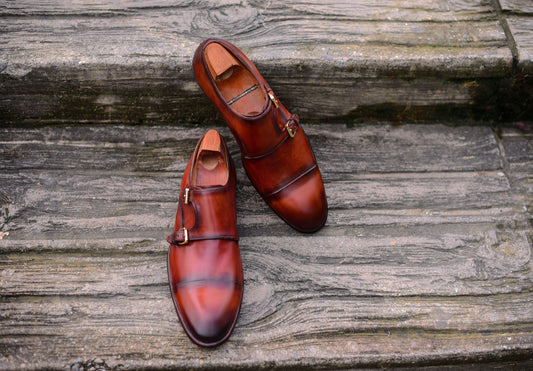
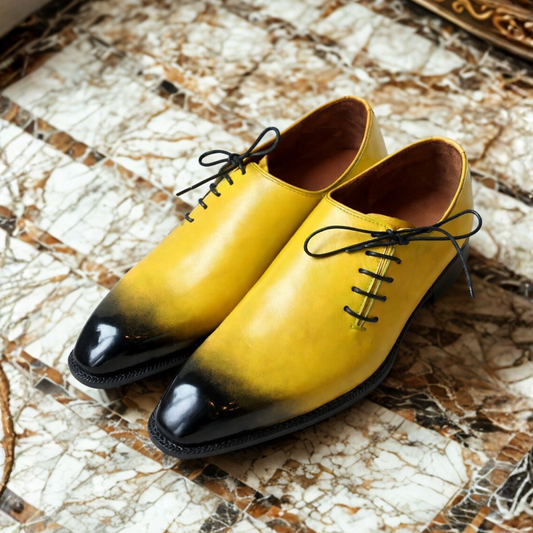
Shoes take more physical stress than almost anything else you wear, and a poorly made pair shows it fast. This guide covers what actually matters when buying footwear built to last, from materials and construction methods to getting the fit right and building a collection where every pair earns its place.
2648 words,
13 minutes read time.
Last edited .
There is a particular kind of regret that comes from buying the wrong shoes. Unlike most clothing, shoes announce their mistakes immediately and continuously. A jacket that does not quite fit can be worn anyway; a pair of shoes that does not fit properly makes itself known with every step, and no amount of style compensates for the experience of walking in something that hurts. And beyond comfort, shoes are subjected to more physical stress than almost anything else a person wears, bearing the full weight of the body, flexing thousands of times a day, contacting every kind of surface in every kind of weather. A pair that is poorly made shows it quickly, while a pair that is well made can last for years and, in the case of quality leather, can be repaired and resoled to last even longer.
Most people buy shoes the way they buy many things, responding to how a pair looks and trying them on briefly before deciding. This works often enough that the deeper questions get skipped, but it is also why so many shoes end up barely worn, abandoned because they were uncomfortable after an hour, fell apart after a season, or simply turned out not to suit the way the person actually lives. Buying shoes properly means looking past the immediate appeal toward the things that determine whether a pair will be comfortable, durable, and genuinely useful: the materials, the construction, the fit, and the role the shoes will play in an actual wardrobe and an actual life.
This guide covers what matters when buying shoes that will last and serve well. It walks through the materials and how they perform, the construction methods that determine durability and repairability, the fit considerations that are too often rushed, and the thinking behind building a footwear collection that covers genuine needs rather than accumulating pairs that mostly sit in their boxes.
Materials: What Shoes Are Made From and How They Perform
The materials in a pair of shoes determine almost everything about how they will perform: how they wear, how they breathe, how they age, how they handle weather, and whether they can be maintained and repaired or are destined for the bin once they show wear. Understanding the main materials and their characteristics is the foundation of choosing shoes that will still be worth wearing years after purchase.
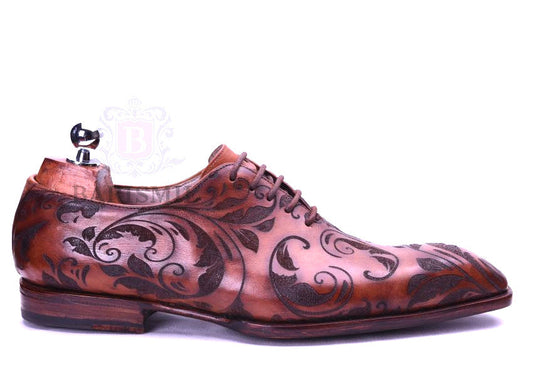
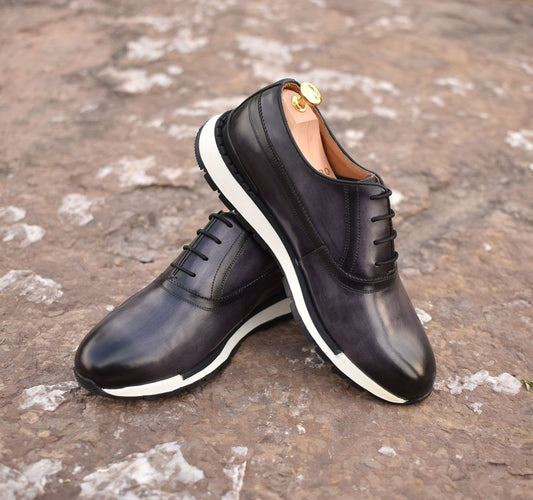
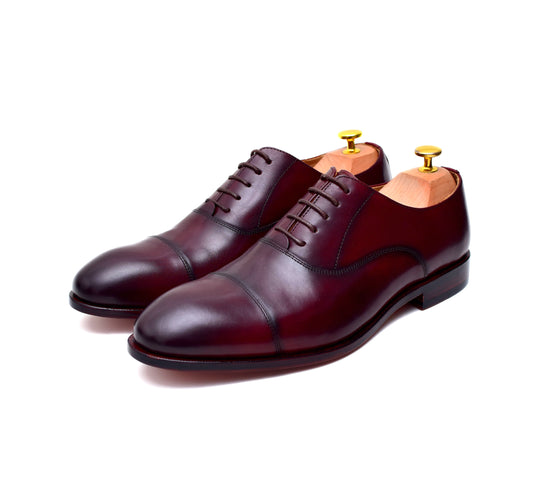
Full-grain leather is the benchmark material for footwear longevity, and for good reason. As the strongest and most durable part of the hide with the natural grain intact, it combines durability with the ability to breathe, to mold to the foot over time, and to develop character through wear. A quality leather shoe becomes more comfortable as it ages, the leather softening and adapting to the specific shape of the wearer's foot in a way that synthetic materials cannot replicate. It also develops a patina, a deepening and softening of the surface that many people find makes a well-worn leather shoe more attractive than a new one. Leather requires some care, regular cleaning and occasional conditioning to prevent drying, and protection from saturation, but in return it offers a lifespan that no synthetic material matches, particularly when paired with construction that allows for resoling.
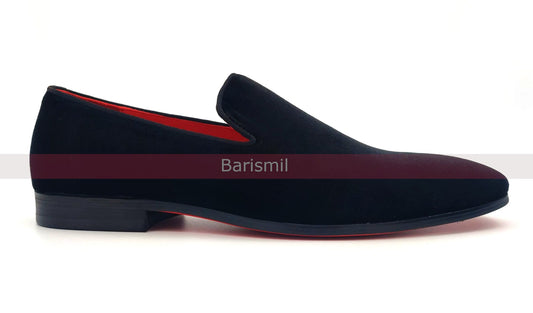
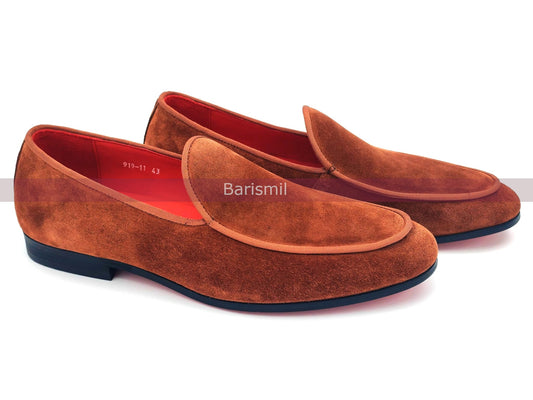
Suede and nubuck, both made from leather but with a napped surface rather than the smooth grain, offer a softer texture and a more relaxed character. They are more vulnerable to staining and water than smooth leather and require more attentive care, including protective treatment and prompt attention to marks, but a well-maintained suede shoe is durable and brings a distinctive softness and depth that smooth leather does not. These materials suit drier conditions and more considered use, and they reward the care they require with a character that is difficult to achieve any other way.
Canvas and textile uppers occupy a different niche, prized for their lightness, breathability, and casual character. Canvas shoes are well-suited to warm weather and relaxed contexts, and good canvas is more durable than its lightweight feel suggests. The longevity considerations with textile shoes are at the points of stress and at the connection between the upper and the sole, since textile itself can be hard-wearing but the construction joining it to the sole determines how long the shoe survives. Many textile shoes are also easier to clean than leather, which adds to their practicality for casual everyday use.
The sole material matters as much as the upper, and it is frequently overlooked. Leather soles, traditional on more formal shoes, offer a refined appearance and breathability, and they can be resoled repeatedly, but they wear faster than rubber and offer less grip and weather resistance. Rubber soles provide durability, traction, and weather protection, making them the more practical choice for everyday and all-weather use, and many quality shoes combine a leather construction with a rubber sole or a rubber overlay to balance refinement with practicality. The right sole depends entirely on how and where the shoes will be worn, and matching the sole to the intended use is as important as choosing the right upper material.
The range of materials across a considered shoe collection reflects the reality that different materials serve different purposes and conditions. A leather shoe for year-round wear, a canvas pair for warm weather and casual use, and a sturdy boot for harder conditions are different answers to different needs, and a thoughtful collection often spans more than one material to cover the genuine range of how a person actually lives.
Construction: How Shoes Are Made and Why It Determines Their Lifespan
If material establishes the potential for a long-lasting shoe, construction determines whether that potential is realized and, crucially, whether the shoe can be repaired when it eventually shows wear. The way a shoe is assembled, particularly how the upper is joined to the sole, is the single biggest factor in whether it will last for years or fail within a season, and it is also the least visible, requiring some understanding to assess.
The most important construction distinction is how the sole is attached to the upper. Glued or cemented construction, where the sole is bonded to the upper with adhesive, is the most common method and the least durable. It produces lighter, more flexible, and cheaper shoes, but once the glue fails or the sole wears through, the shoe generally cannot be repaired economically and is effectively disposable. This does not make cemented shoes a poor choice for every purpose; for casual and lighter-use footwear, they are perfectly reasonable. But for shoes intended to last years, the construction method matters enormously.
Stitched constructions, in which the sole is sewn to the upper rather than only glued, are the mark of shoes built to last and to be repaired. The two most respected methods, Goodyear welt and Blake stitch, both attach the sole through stitching that can be undone and redone, which means the sole can be replaced when it wears out while the rest of the shoe continues. A Goodyear welted shoe, in particular, can be resoled multiple times over its life, which means a quality pair can last not just years but decades with periodic resoling. This repairability transforms the economics of buying shoes: a more expensive pair that can be resoled five times is cheaper over its lifespan than several pairs of disposable shoes, and it is also more comfortable, since a broken-in shoe that has molded to the foot is more comfortable than a series of new ones.
Beyond the sole attachment, several construction details indicate quality and durability. The stitching throughout should be even, tight, and clean, with no loose threads or irregular spacing, and the stitching at stress points deserves particular attention since these areas bear the most strain. The internal construction, including the insole, the heel counter that gives the back of the shoe its structure, and any reinforcement at the toe, contributes to both the durability and the comfort of the shoe. A well-constructed shoe holds its shape over time and supports the foot properly, while a poorly constructed one breaks down, loses its structure, and stops providing support.
The quality of the finishing details, the way the edges are sealed and polished, the evenness of the sole, the neatness of the interior, the security of any hardware such as eyelets and buckles, all reflect the overall care that went into making the shoe. These details are not merely cosmetic; they indicate the standard of construction throughout, and a maker who has attended carefully to the visible finishing has generally attended to the less visible structural elements as well. Examining these details is one of the most reliable ways to assess whether a shoe is built to last without being able to see the internal construction directly.
Fit: The Factor That Determines Whether Shoes Get Worn at All
A shoe can be made from the finest materials with the best construction and still be a failure if it does not fit properly, because a shoe that does not fit will not be worn, and an unworn shoe serves no purpose regardless of its quality. Fit is the factor most often rushed in the buying process and the one most responsible for shoes ending up abandoned, and giving it proper attention is essential to buying shoes that will actually be used.
The fundamentals of fit begin with sizing, which is less straightforward than it should be because sizing varies between makers, styles, and even individual designs. The number on the box is a starting point, not a guarantee, and the only reliable way to assess fit is to try the shoes on and pay attention to how they actually feel. Feet also change over the course of a day, swelling slightly, which is why trying shoes on later in the day, when the feet are at their largest, gives a more reliable sense of fit than trying them in the morning. A shoe that fits in the morning may be tight by evening, while one that fits comfortably in the evening will be comfortable throughout the day.
A proper fit means adequate room in specific places and security in others. There should be a small amount of space beyond the longest toe, typically about the width of a thumb, to allow for the natural forward movement of the foot when walking and to accommodate the swelling that occurs through the day. The shoe should be secure through the midfoot and at the heel, holding the foot in place without slipping, since a heel that slips causes both discomfort and blisters. The widest part of the foot should sit at the widest part of the shoe, and there should be no pinching or pressure at the sides. Width matters as much as length, and a shoe of the right length but the wrong width will never be comfortable.
The break-in period is a consideration specific to quality leather shoes, and understanding it prevents both the mistake of buying shoes that are genuinely too small and the mistake of rejecting good shoes that simply need time. Quality leather molds to the foot over the first several wearings, becoming more comfortable as it adapts to the individual shape of the wearer's foot. This means a leather shoe that fits correctly but feels slightly firm when new will often become more comfortable with wear. It does not mean, however, that a shoe that is genuinely too small or pinches painfully will stretch enough to become comfortable; the break-in process softens and adapts a correctly sized shoe but cannot fix a fundamental sizing problem. Distinguishing between a shoe that needs breaking in and one that simply does not fit is a matter of whether the discomfort is firmness that will soften or pressure that signals the wrong size.
Comfort considerations extend beyond the basic fit to the support the shoe provides, which matters increasingly with how much time is spent on the feet. A shoe intended for long days of walking needs more support and cushioning than one worn briefly, and matching the shoe's comfort characteristics to the intended use prevents the disappointment of buying something that looks right but cannot be worn for the actual purpose. Trying shoes on with the kind of socks they will be worn with, and walking in them rather than just standing, gives a much more accurate sense of how they will perform than a brief, stationary try-on.
Building a Footwear Collection That Works: Fewer Pairs, Better Chosen
The final element of buying shoes properly is thinking beyond the individual pair to the collection as a whole, because a small number of well-chosen shoes that cover genuine needs will serve far better than a closet full of pairs bought without a clear sense of how they fit together or what purpose each serves. A considered footwear collection is one where each pair earns its place, gets worn regularly, and contributes to covering the actual range of a person's life.
The foundation of a working collection is a versatile everyday pair in a quality material and a neutral, adaptable style, something that works across the widest range of outfits and occasions. This is the pair that gets worn most, and it justifies the most investment because the cost per wear over years of regular use is remarkably low. A well-made leather shoe in a versatile style, properly cared for and resoled as needed, can serve for many years and prove far more economical than a succession of cheaper pairs. This is the pair to invest in, because it does the heavy lifting of the collection.
Around that foundation, a considered collection adds pairs that cover specific needs the everyday shoes do not: something more formal for the occasions that call for it, something for warm weather, something sturdy for harder conditions or rougher use, and perhaps something more relaxed for casual contexts. The principle is that each addition serves a genuine purpose rather than duplicating something already owned or addressing a need that rarely arises. A collection built this way stays useful, with every pair worn regularly, rather than expanding into a mass of shoes that mostly go unworn.
Versatility and color deserve specific thought in building a lasting collection. The most-worn shoes tend to be those in versatile neutrals and adaptable styles that work across many outfits, while more distinctive colors and styles, however appealing, work with a narrower range and therefore get worn less. A collection should not be entirely neutral, since a more distinctive pair can be exactly right for the right occasion, but understanding that the versatile pieces will be worn most helps allocate investment toward the shoes that will deliver the most use.
Care extends the life of any shoe significantly, and the difference a small amount of maintenance makes is substantial. Leather benefits from regular cleaning, occasional conditioning, and protection from saturation. Allowing shoes to rest between wearings, rather than wearing the same pair every day, lets them dry out and recover their shape, which extends their life considerably; using shoe trees helps maintain the shape and absorb moisture. Promptly addressing wear, resoling quality shoes before the damage reaches the upper, and storing shoes properly all add years to their useful life. These habits cost little and protect the investment that quality shoes represent, which is what makes buying well worthwhile in the first place.
Buying shoes properly comes down to looking past the immediate appeal toward the things that determine whether a pair will be comfortable, durable, and genuinely useful: the materials and how they perform, the construction and whether it allows the shoe to last and be repaired, the fit and whether the shoe will actually be worn, and the role each pair plays in a collection built with intention. Shoes chosen this way are not just purchases but long-term companions that become more comfortable with wear, last for years with proper care, and demonstrate, step after step, that buying well once is better than buying poorly again and again.
Shoes take more physical stress than almost anything else you wear, and a poorly made pair shows it fast. This guide covers what actually matters when buying footwear built to...
Shoes take more physical stress than almost anything else you wear, and a poorly made pair shows it fast. This guide covers what actually matters when buying footwear built to...
A handbag is used more than almost any accessory yet often chosen with the least thought. This guide looks past first impressions to what actually determines how a bag holds...
A handbag is used more than almost any accessory yet often chosen with the least thought. This guide looks past first impressions to what actually determines how a bag holds...
Perfume that disappears within two hours is one of the most common fragrance frustrations, and it is almost always fixable. This guide breaks down every factor that affects how long...
Perfume that disappears within two hours is one of the most common fragrance frustrations, and it is almost always fixable. This guide breaks down every factor that affects how long...
Most people have seen fragrance note lists but few know what they actually mean in practice. This guide explains how top, heart and base notes work, what the most important...
Most people have seen fragrance note lists but few know what they actually mean in practice. This guide explains how top, heart and base notes work, what the most important...