A handbag is used more than almost any accessory yet often chosen with the least thought. This guide looks past first impressions to what actually determines how a bag holds up over years of daily use, covering materials and how they age, the construction details that matter, the shapes that suit real life, and how to build a collection worth keeping.
2798 words,
13 minutes read time.
Last edited .
A handbag occupies a strange position among the things people buy. It is used more than almost any other accessory, carried daily, handled constantly, set down on every kind of surface, packed and unpacked and packed again, and yet it is frequently chosen with less thought than goes into a pair of shoes or a coat. The result is a familiar pattern: a bag bought because it looked appealing in the moment, used heavily for a few months, and then quietly retired because the straps started to sag, the lining tore, the hardware tarnished, or the shape simply stopped working for the way the person actually lives. The bag was not bad. It was just not chosen with longevity in mind.
Choosing a handbag that lasts is a different exercise from choosing one that appeals. The two are not in opposition, and the goal is to find something that does both, but the durability question requires looking past the immediate visual impression toward the things that determine how a bag performs over years of daily use: the material it is made from, the way it is constructed, the shape and how that shape suits your life, and the relationship between the bag and the rest of what you own. Get those things right and a handbag becomes one of the best value purchases in a wardrobe, improving with age and serving reliably for years. Get them wrong and even an expensive bag becomes a disappointment.
This guide walks through everything that matters when choosing a handbag built to last. It covers the materials and how they age, the construction details that separate a bag that survives from one that falls apart, the shapes and styles and which suit different lives, and the thinking behind building a small, considered collection rather than accumulating bags that mostly sit unused.
Materials: What a Bag Is Made From Determines How It Ages
The single most important factor in how a handbag ages is the material it is made from, and understanding the characteristics of the main options is the foundation of making a choice you will be happy with years later. Each material has its own character, its own way of wearing over time, and its own care requirements, and matching the material to how you intend to use the bag is the first and most consequential decision.
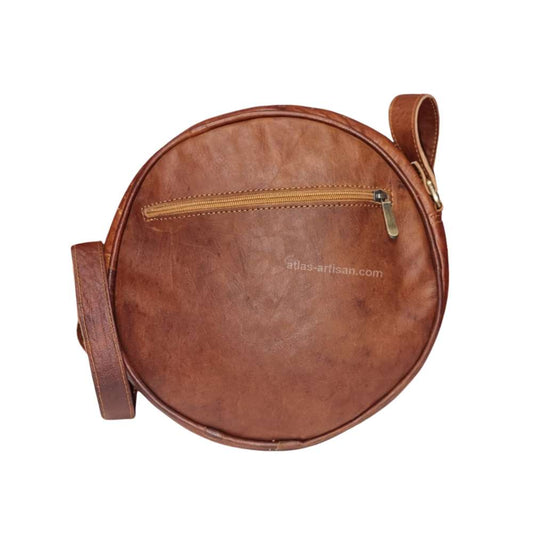
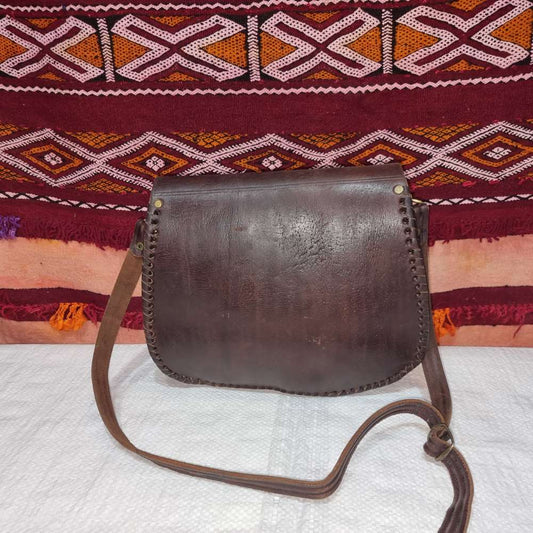
Full-grain leather is the material most associated with longevity, and the association is earned. It is the strongest and most durable part of the hide, with the natural grain left intact rather than sanded away, which means it retains the fibrous structure that gives leather its strength. The defining characteristic of good leather is that it does not just survive use; it improves with it. Over months and years, full-grain leather develops a patina, a softening and deepening of color and surface that comes from handling, light exposure, and the natural oils of regular use. This is the opposite of how most materials age. A leather bag that has been used daily for five years often looks better than it did new, with a richness and character that cannot be manufactured. The trade-off is that leather requires some care, occasional conditioning to prevent drying and cracking, and protection from prolonged water exposure, but the care is minimal relative to the lifespan it produces.
The quality within leather varies considerably, and the terminology is worth understanding because it is often used to obscure rather than clarify. Full-grain is the highest quality. Top-grain has had the surface sanded and treated, which produces a more uniform appearance but sacrifices some of the strength and the ability to develop patina. Genuine leather, despite the reassuring name, is a lower grade made from the layers of the hide left after the top layers are separated, and it does not age in the same desirable way. Bonded leather, made from leather scraps bound together with adhesive, is the lowest grade and does not offer the longevity that the word leather implies. When durability is the priority, full-grain and top-grain are the grades that justify the investment.
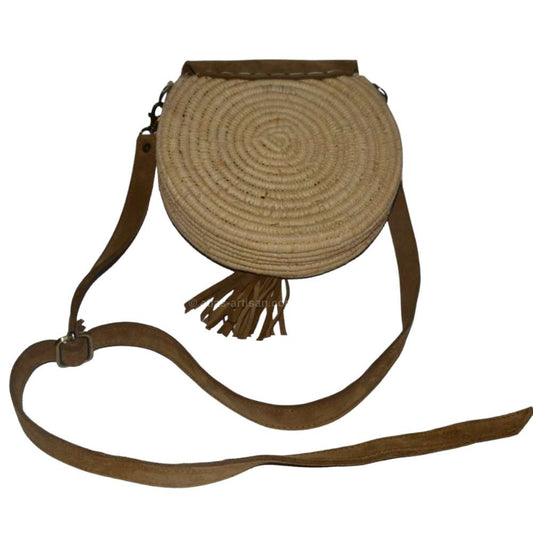
Natural woven materials such as raffia, straw, and rattan occupy a specific seasonal niche and age differently from leather. These materials are prized for their texture and their lightness, and they bring a relaxed, warm-weather character that no other material replicates. They are more delicate than leather, more vulnerable to moisture and rough handling, and they do not develop patina so much as gradually soften and, eventually, show wear at stress points. A well-made woven bag, particularly one that combines a woven body with leather trim and straps for structural reinforcement, can last many seasons with reasonable care, but these are materials chosen for their character rather than their indestructibility, and treating them accordingly extends their life considerably.
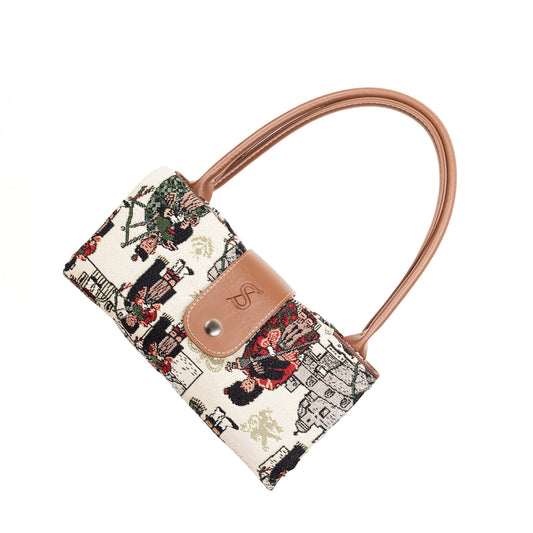
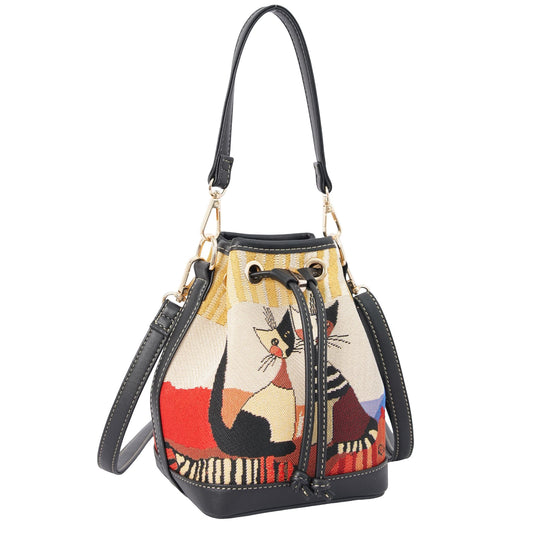
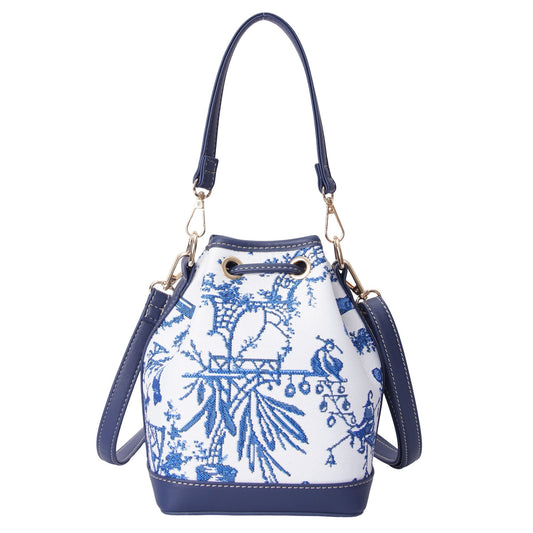
Canvas and woven textiles, including the patterned tapestry-style fabrics that bring color and visual interest to a bag, are durable in a different way from leather. A good canvas is hard-wearing, resistant to the kind of scuffing that shows on leather, and often machine-washable or at least easy to spot-clean, which makes textile bags practical for heavy everyday and casual use. The longevity consideration with textiles is at the points of construction rather than the material itself: the handles, the base, and the seams are where a textile bag will show wear first, which makes the quality of construction and any leather reinforcement particularly important. A canvas or tapestry bag with leather handles and base, well-stitched, can be an exceptionally practical long-term choice.
The breadth of materials across a well-curated bag collection reflects the fact that different materials serve different purposes, and the right choice depends on how and when the bag will be used. A leather crossbody for daily year-round use, a woven bag for summer, and a sturdy canvas tote for carrying everything are three different answers to three different needs, and a thoughtful collection often includes more than one.
Construction: The Details That Separate a Bag That Survives From One That Fails
Material quality establishes the potential for longevity, but construction determines whether that potential is realized. A bag made from excellent leather but assembled poorly will fail before a well-constructed bag made from a more modest material. The construction details are less visible than the material and require a closer look to assess, but they are where the difference between a bag that lasts and one that disappoints is most often decided.
Stitching is the most reliable indicator of construction quality and the easiest to assess. Look for stitching that is even, tight, and straight, with no loose threads, skipped stitches, or puckering along the seams. The density of the stitching matters: more stitches per inch generally indicates a stronger, more carefully made seam. Pay particular attention to the stitching at stress points, where the straps attach to the body, around the base, and at the corners, because these are the areas that bear the most load and fail first when construction is poor. Reinforced stitching or additional rivets at these points are signs that the maker has anticipated where stress accumulates and built accordingly.
The hardware, meaning the zippers, clasps, buckles, rings, and feet, is another area where quality is both important and assessable. Hardware is one of the most common failure points in handbags, and it is also one of the most frustrating because a broken zipper or a failed clasp can render an otherwise sound bag unusable. Good hardware feels substantial and operates smoothly. Zippers should glide without catching, clasps should close securely with a satisfying engagement rather than a flimsy snap, and metal components should feel solid rather than hollow or lightweight. The finish on the hardware matters for appearance over time: cheaper plated hardware can wear through to a different colored base metal underneath, while higher quality hardware maintains its finish through years of handling.
The lining is often overlooked because it is mostly hidden, but it contributes significantly to both the longevity and the daily usability of a bag. A quality lining is made from a durable fabric, securely attached, and finished cleanly at the seams. The lining takes a surprising amount of abuse from keys, pens, and the general contents of a bag, and a thin or poorly attached lining will tear, leaving contents to fall into the structure of the bag. A well-made lining, ideally with some internal organization in the form of pockets, is a sign of a bag built for real use rather than just for appearance.
The base of a bag deserves specific attention because it bears weight and contacts surfaces constantly. A reinforced base, sometimes with protective feet, keeps the bottom of the bag off the ground and distributes the weight of the contents, both of which extend the life of the bag considerably. Bags without base reinforcement tend to sag, wear through at the bottom corners, and lose their shape over time. The handles and straps, similarly, are points of concentrated stress, and the way they are attached, whether they are reinforced, riveted, or simply stitched, is one of the clearest indicators of whether a bag is built to be carried daily or merely to look good on a shelf.
Shapes and Styles: Matching the Bag to How You Actually Live
A handbag that lasts in a physical sense is only useful if it also lasts in a practical sense, meaning it continues to suit your life rather than being abandoned because it does not work for how you actually move through your days. The shape and style of a bag determine its function as much as its appearance, and choosing a shape that fits your actual routine is as important to long-term satisfaction as choosing quality materials and construction.
The crossbody bag is among the most practical shapes for daily use because it distributes weight across the body, keeps the hands free, and holds the bag securely against the body, which is both comfortable and convenient. Crossbody bags range from small, minimal designs that hold the essentials to larger versions that carry a full day's contents, and the adjustable strap means the same bag can be worn at different lengths for different purposes. For people whose days involve a lot of movement, commuting, walking, managing other things while carrying a bag, the crossbody is often the most liveable shape, which is why it tends to become the most-used bag in many collections.
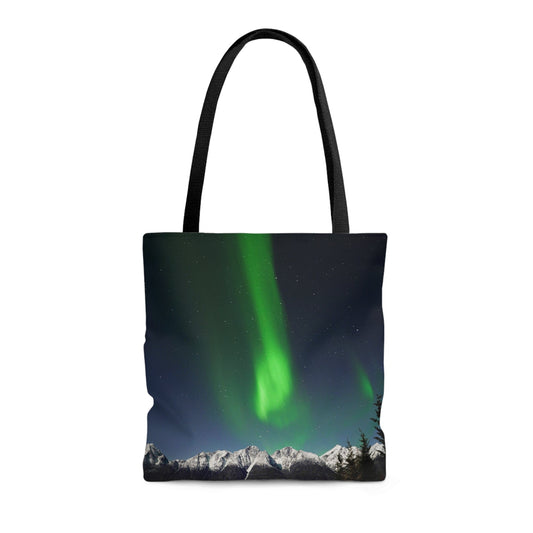
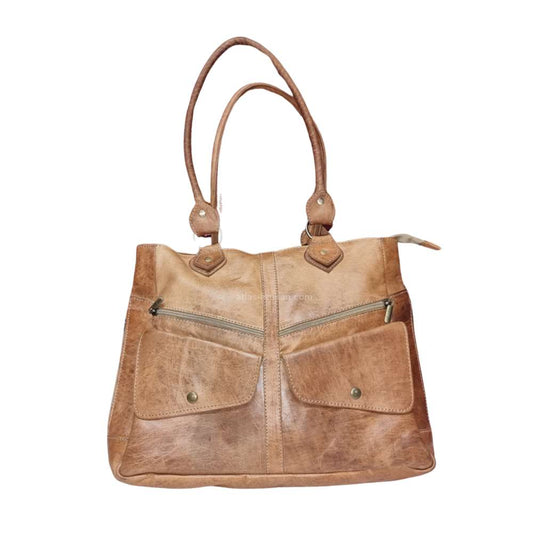
The tote is the workhorse of the handbag world, defined by its open or lightly secured top, generous capacity, and twin handles designed to be carried on the shoulder or in the hand. Totes are the natural choice when capacity is the priority, for work, for carrying a laptop and its accompaniments, for the days when a smaller bag simply will not hold what needs to be carried. A good tote balances capacity with structure, holding its shape when full rather than collapsing into a shapeless mass, and the better ones include some internal organization to prevent the contents from becoming an unmanageable jumble at the bottom. A structured leather tote is one of the most versatile pieces in a wardrobe, moving from professional contexts to weekend use with ease.
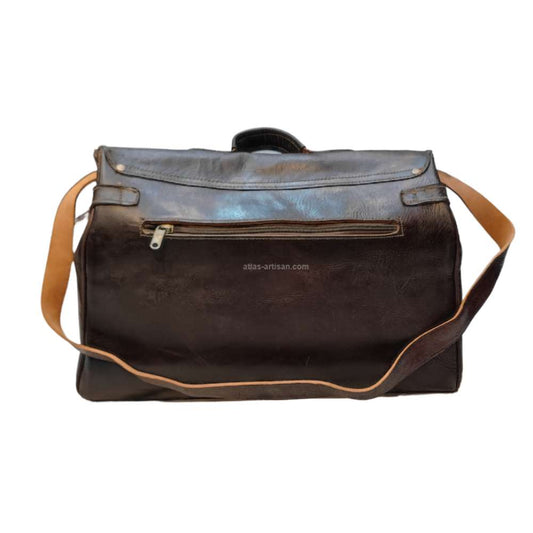
The messenger bag, with its flap closure and longer strap, brings a more casual, utilitarian character and excellent practicality for carrying documents, devices, and the contents of a working day. The flap closure provides good security and weather protection for the contents, and the shape lends itself to organization, with multiple compartments common in the design. Messenger bags cross gender lines easily and suit people who prioritize function and capacity in a form that can be worn hands-free.
The bucket bag, with its rounded base, gathered or drawstring top, and shoulder strap, offers a distinctive shape that combines reasonable capacity with a relaxed, contemporary character. The shape holds more than its footprint suggests, and the drawstring or gathered top provides security while allowing easy access. Bucket bags suit people looking for something with more visual character than a basic tote but more capacity than a small crossbody, and they have remained consistently relevant through changing trends because the shape is both practical and distinctive.
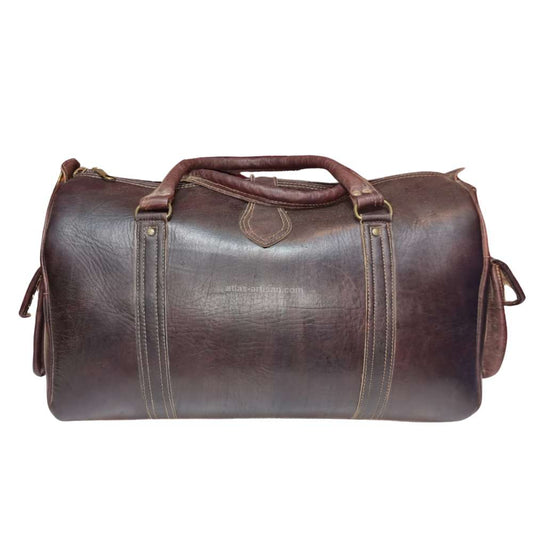
Travel and weekend bags, larger and built for carrying more over longer journeys, are a category of their own, prioritizing capacity, durability, and comfort over the more refined proportions of everyday bags. A good travel bag in quality leather or hard-wearing canvas is a long-term investment that improves with the miles, developing character through use in a way that makes it a genuine companion rather than a disposable convenience. The key considerations are capacity appropriate to how you travel, comfortable carrying options, and construction robust enough to handle the rougher treatment that travel involves.
The most useful approach to shape is to think honestly about what you actually carry and how you actually move through a typical week, rather than being drawn to a shape because it looks appealing in isolation. The bag that gets used is the bag that fits the life, and matching shape to genuine daily need is what separates a collection of bags that get worn from a collection that mostly sits in a closet.
Building a Collection That Lasts: Fewer, Better, More Considered
The final element of choosing handbags that last is thinking beyond the individual purchase to the collection as a whole. A small number of well-chosen bags that cover the genuine range of daily needs will serve better, look better, and ultimately cost less over time than a larger collection of cheaper bags bought without a clear sense of how they fit together or what role each one plays.
The foundation of a working bag collection is a versatile everyday piece in a neutral color and quality material, something that works across the widest range of outfits and contexts. This is the bag that gets used most, and it justifies the most investment because the cost per use over years of daily wear is remarkably low. A well-made leather bag in a versatile shape and a neutral tone, black, brown, tan, or a similar adaptable color, is the kind of piece that anchors a collection and earns its place every single day. The bag you use daily for five years is worth more than several bags that each get used occasionally before being abandoned.
Around that foundation, a considered collection adds pieces that cover specific needs the everyday bag does not: a larger tote for the days that require carrying more, a smaller bag for occasions when minimal is better, perhaps a seasonal woven piece for summer, and a bag with more visual character for when an outfit calls for it. The key is that each addition serves a genuine purpose rather than duplicating something already owned or addressing a need that does not actually arise. A collection assembled this way stays useful, with each piece earning its place, rather than expanding into a closet full of bags that mostly go unused.
Color and versatility deserve specific thought in building a lasting collection. The most-used bags tend to be those in versatile neutrals that work across a wide range of outfits, while more distinctive colors and patterns, however appealing, tend to work with a narrower range and therefore get used less. This does not mean a collection should be entirely neutral; a bag with color or pattern can be exactly the right finishing touch for the right outfit, and these pieces add genuine value. But understanding that the neutral, versatile pieces will do the heavy lifting helps allocate investment sensibly, putting the most into the pieces that will be used most.
Care extends the life of any bag significantly, and a small amount of maintenance makes a substantial difference over years. Leather benefits from occasional conditioning and protection from prolonged moisture. All bags last longer when stored properly, stuffed to hold their shape and kept in a dust bag or at least away from direct light and dampness when not in use. Rotating between a few bags rather than using one exclusively distributes the wear and gives each piece time to rest and recover its shape. These habits cost little and add years to the useful life of a good bag, which is what makes the investment in quality worthwhile in the first place.
Choosing a handbag that lasts is ultimately about looking past the immediate appeal toward the things that determine how a bag performs over the long term: the material and how it ages, the construction and whether it is built to survive real use, the shape and how it fits your actual life, and the role the bag plays in a collection assembled with intention. A bag chosen this way is not just a purchase; it is a companion that improves with time, serves reliably for years, and proves, repeatedly, that buying well once is better than buying poorly again and again.
A handbag is used more than almost any accessory yet often chosen with the least thought. This guide looks past first impressions to what actually determines how a bag holds...
A handbag is used more than almost any accessory yet often chosen with the least thought. This guide looks past first impressions to what actually determines how a bag holds...
Perfume that disappears within two hours is one of the most common fragrance frustrations, and it is almost always fixable. This guide breaks down every factor that affects how long...
Perfume that disappears within two hours is one of the most common fragrance frustrations, and it is almost always fixable. This guide breaks down every factor that affects how long...
Most people have seen fragrance note lists but few know what they actually mean in practice. This guide explains how top, heart and base notes work, what the most important...
Most people have seen fragrance note lists but few know what they actually mean in practice. This guide explains how top, heart and base notes work, what the most important...
A signature scent is one of the few elements of personal style that operates below the level of conscious decision-making, leaving an impression before you have said a word. This...
A signature scent is one of the few elements of personal style that operates below the level of conscious decision-making, leaving an impression before you have said a word. This...